Chimney relining in Bellevue, WA costs $1,800–$7,500, with most Eastside homeowners paying $2,800–$4,200 for an insulated flexible stainless liner in a standard two-story masonry chimney. That range is driven by three variables: liner material, flue length, and whether existing masonry damage must be addressed before the new liner drops. This guide breaks down every cost factor specific to Bellevue homes — from the freeze-thaw cracking that targets pre-1985 clay tile flues to the liner downsizing required when a gas insert replaces a large wood-burning fireplace — so you can evaluate any quote with confidence.
What Is a Chimney Liner and Why Do Bellevue Homes Need Them?
A chimney liner is the interior channel running from your firebox or appliance connector to the flue termination at the top of your chimney. It does three things: safely contains combustion gases so they exit to the exterior rather than migrating into living spaces, shields surrounding masonry from heat and corrosive byproducts, and provides a precisely sized draft pathway so your appliance burns efficiently.
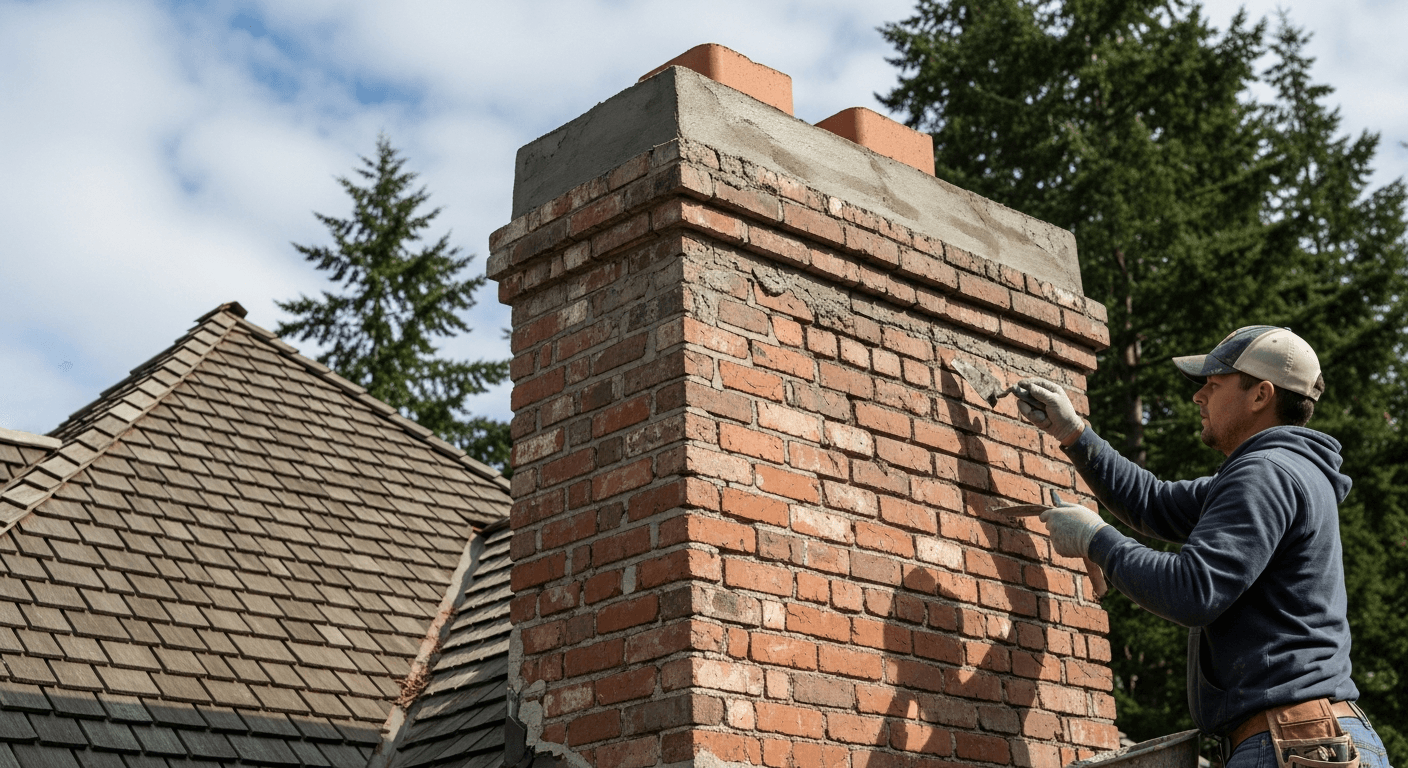
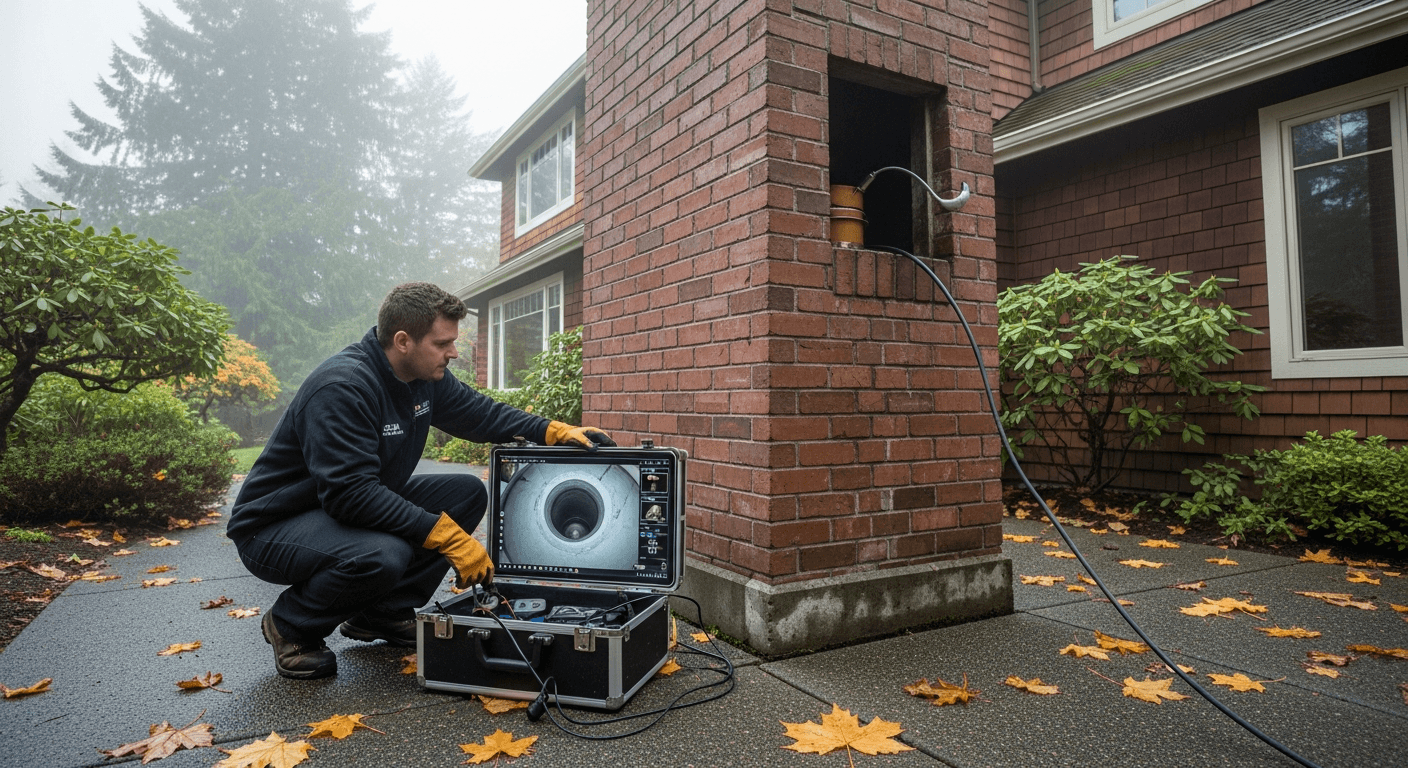
Bellevue homes built before the mid-1980s almost universally have segmented terra-cotta clay tile liners. Clay tile performs well under consistent conditions, but Bellevue's wet maritime winters create a compounding problem: rainfall saturates mortar joints between tile sections, those joints freeze on the hard-freeze nights that arrive every January and February, and the resulting expansion fractures the joint or spalls the tile face. Once a crack opens, carbon monoxide can migrate laterally through the masonry and enter living spaces — a hazard invisible without a Level 2 video inspection.
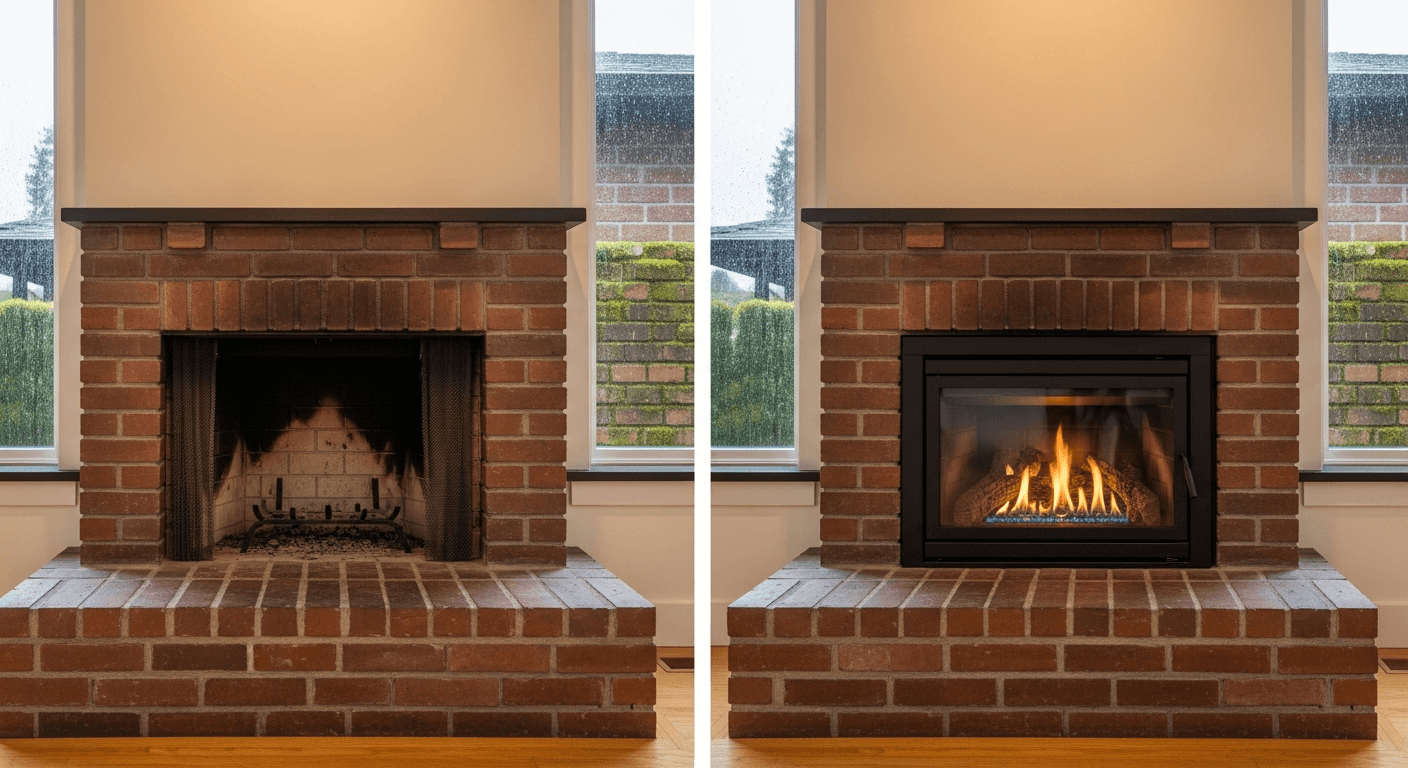
A second Bellevue-specific issue is gas insert conversion. Many higher-end Eastside homes originally featured large traditional wood-burning fireplaces with 13-by-13-inch or wider flue openings. When a gas insert is added, the flue must be downsized — typically to a 4-inch or 6-inch liner matched to the insert's exhaust collar — so the appliance vents correctly and moisture does not condense inside the oversized original flue. Skipping the liner is not a code option under NFPA 211 or Bellevue's adopted building standards, and it creates genuine creosote and carbon monoxide risk.
Chimney Relining Cost in Bellevue, WA: A Full Price Breakdown
The table below reflects 2026 pricing for Bellevue and the broader Eastside market. Labor rates here run 15–20 percent above national averages due to regional wage levels and the logistics of steep, moss-covered roofs common on Eastside properties. All figures assume a single flue and a standard residential chimney height of 15–25 feet. Taller chimneys, multiple flues, or significant pre-existing masonry damage add cost beyond these ranges.
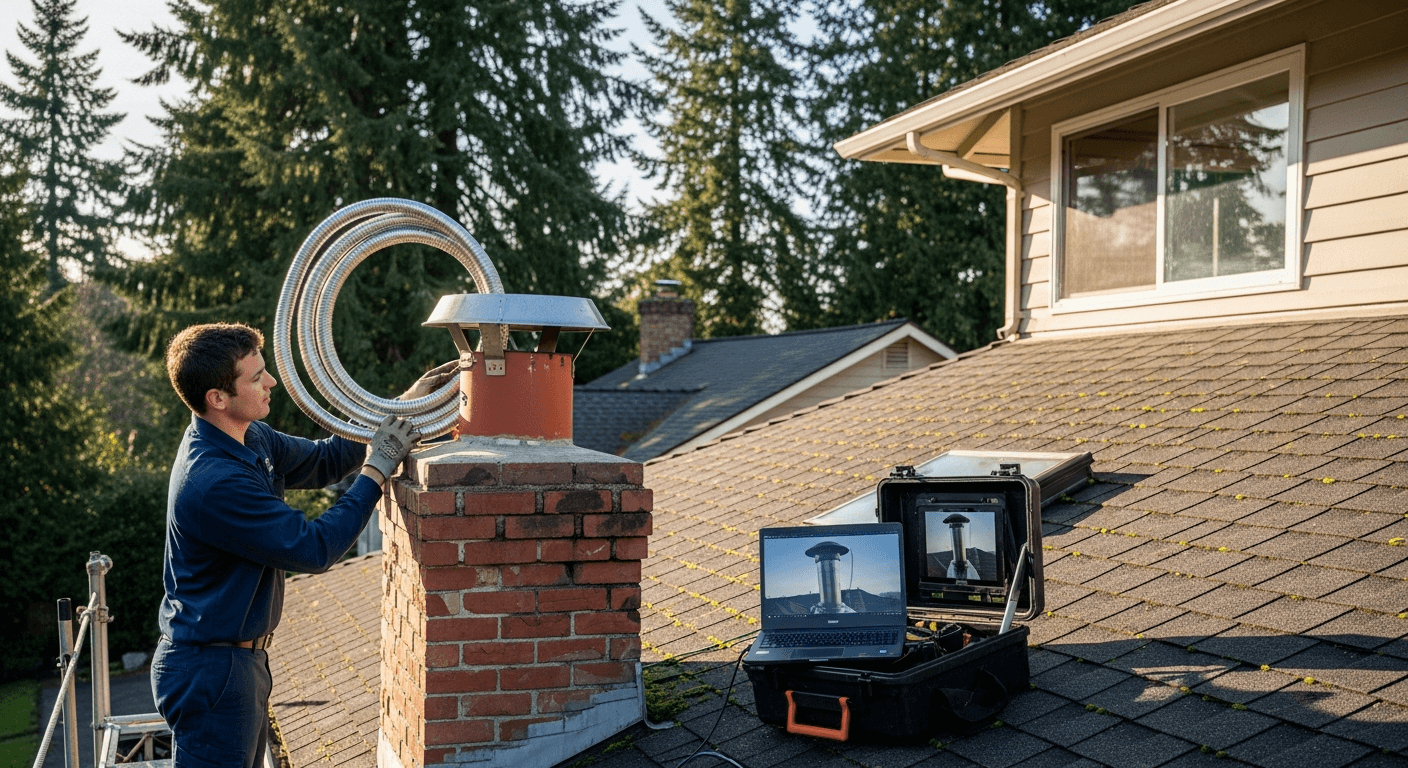
Flexible stainless-steel liners are the most frequently installed option in Bellevue because they accommodate the slight horizontal offsets built into older masonry chimneys and can be completed in a single day. Rigid stainless sections are reserved for perfectly straight flues, which are less common in the area's stock of 1960s–1980s construction. Cast-in-place poured liner systems — where insulating refractory cement is cast around an inflatable form — are the premium choice for chimneys with significant structural deterioration and deliver the longest service life.
Budget an additional $200–$600 for a top-mount stainless cap and connector plate; most installers include this in a bundled quote. If your smoke chamber also needs parging or your firebox requires a new liner collar, add $300–$800 to the liner price. Bellevue Building Department permit fees for liner installations tied to a new heating appliance typically run $150–$300 and should always be factored into your total.
| Liner Type | Best For | Typical Installed Cost (Bellevue, 2026) | Lifespan |
|---|---|---|---|
| Flexible Stainless Steel (single-wall) | Gas inserts, oil appliances, minor offset flues | $1,800 – $3,200 | 20–25 years |
| Flexible Stainless Steel (insulated/double-wall) | Wood-burning, high-efficiency gas, moisture-prone flues | $2,600 – $4,400 | 25–35 years |
| Rigid Stainless Steel Sections | Straight flues, new construction | $2,000 – $3,800 | 20–30 years |
| Cast-in-Place Poured Liner | Severely deteriorated or irregular masonry flues | $4,500 – $7,500 | 50+ years |
| Clay Tile Repair (spot re-lining) | Isolated cracked sections in an otherwise sound flue | $800 – $1,800 | Varies by extent |
| HeatShield Cerfractory Resurfacing | Minor mortar joint erosion with no structural tile cracks | $1,200 – $2,800 | 15–20 years |
How Often Bellevue Chimneys Need Relining: Situation and Frequency Guide
Not every Bellevue chimney needs a full reline on the same schedule. How often relining becomes necessary depends on appliance type, fuel burned, annual usage intensity, and the age of the existing liner. The table below maps common Bellevue homeowner situations to the typical relining frequency observed in Eastside service work, helping you gauge where your chimney is likely to fall.
Homes that burn wood heavily during Puget Sound Clean Air Agency ban-exempt periods — three or more cords per season — place substantially more heat and creosote stress on their liners than occasional users and should expect shorter intervals between major interventions. Gas-only appliances produce cooler exhaust but introduce persistent moisture, which in Bellevue's wet climate accelerates mortar joint erosion even in structurally sound flues. Annual Level 2 inspections remain the most reliable way to catch deterioration before it crosses into mandatory replacement territory.
| Homeowner Situation | Primary Risk Factor | Typical Relining Interval | Recommended Inspection Frequency |
|---|---|---|---|
| Pre-1985 clay tile flue, wood-burning, Bellevue hillside location | Freeze-thaw cracking, heavy creosote | 15–25 years | Annual |
| Gas insert installed into oversized original flue without re-lining | Condensation, acid corrosion, backdraft | Immediate — code-required before use | Annual after installation |
| Insulated flexible stainless liner, moderate wood use (1–2 cords/season) | Creosote buildup, cap wear | 25–35 years | Annual |
| Single-wall stainless liner, gas appliance only | Moisture condensation, joint corrosion | 20–25 years | Annual |
| Cast-in-place poured liner, any fuel type | Cap failure, crown cracking | 40–50+ years | Every 2 years after year 10 |
| HeatShield resurfacing, minor mortar erosion | Progressive tile cracking beneath resurface layer | 15–20 years | Annual |
| High-use wood burner (3+ cords/season), any liner type | Accelerated creosote, heat stress | Reduce interval by 20–30% | Annual — mandatory |
A Hypothetical Bellevue Scenario: When a Gas Insert Conversion Reveals a Hidden Liner Problem
Consider a homeowner in the Somerset neighborhood who purchases a premium gas insert for the large traditional fireplace in their 1978 two-story home. The insert installer stops work and informs the homeowner that the existing 13-by-13-inch clay tile flue needs to be addressed before he can complete the exhaust connection. The homeowner wants to understand the finding — and what correcting it would cost.
A technician performing a Level 2 video inspection in this type of situation would commonly document two separate issues. First, as the insert installer anticipated, the oversized flue requires a 6-inch insulated flexible stainless liner to match the insert's exhaust collar and prevent condensation buildup. Second, inspection footage frequently reveals cracked tile joints in the upper third of the flue, each showing mortar displacement consistent with several seasons of freeze-thaw cycling — none of which are visible from the firebox or the rooftop without a camera.
In a straightforward version of this scenario, the cracked tile joints would be sealed with refractory caulk before dropping the liner, a 25-foot insulated flexible stainless liner installed with a new stainless top plate, and a top-mount cap fitted to exclude Bellevue's persistent rainfall — at a total cost in the $3,350 range, completed in a single morning. The insert installer would return the next day to finalize the connection. Enrolling in an annual inspection program after this type of repair is a sensible step given the moisture load Bellevue chimneys accumulate every winter.
How to Know If Your Chimney Liner Needs Replacement — Not Just Cleaning
Creosote and debris are swept out during a routine annual cleaning. A failing liner is a distinct, more serious finding that cleaning alone cannot resolve. Replacement is necessary — not optional — when a Level 2 video inspection documents cracked, spalled, or missing tile sections; when white efflorescence streaks the exterior masonry indicating water is moving through the flue wall; when a persistent smoky or musty odor appears indoors with the fireplace not in use; or when a carbon monoxide detector alarms without another identifiable source.
Size mismatch is an equally important trigger on the Eastside. NFPA 211 and Bellevue's adopted codes require that liner diameter match both the BTU output and flue collar size of the connected appliance. An oversized liner on a modern gas insert will condense water vapor, produce acid corrosion on the liner wall, and back-draft — regardless of how structurally intact the original clay tile appears. If you changed appliances and no one re-lined the flue, treat that as an urgent item.
Puget Sound Clean Air Agency wood-burning curtailment rules also factor into liner wear patterns. Homes that burn three or more cords of wood per season during ban-exempt periods are placing substantially more heat and creosote stress on their liners than occasional users. Annual inspections are non-negotiable at that usage level.
What Drives the Final Price: Bellevue-Specific Cost Factors
Chimney height is the largest single variable. A standard Bellevue two-story home with a 20-foot flue is a straightforward installation. Homes on the hillside neighborhoods — Cougar Mountain, Lakemont, and the elevated streets near Bellevue College — frequently have dramatic roof pitches and tall chimney stacks that require more liner material and extended rigging time. Every additional 5 feet of flue adds roughly $80–$150 in liner material and 30–45 minutes of labor.
Roof access difficulty adds real cost on the Eastside. Moss and algae routinely colonize chimney crowns and composition-shingle roofing surfaces, making steep wet roofs genuinely hazardous from October through April. Jobs performed during wet months may require fall-arrest rigging, adding $150–$300 in safety setup time. We schedule liner replacements in late summer or early fall whenever possible to reduce this exposure for both our crew and our pricing to you.
Permit requirements are a locally specific cost that some contractors omit from initial quotes. Bellevue's building department requires a permit when a new chimney liner is installed as part of a heating appliance installation or replacement. Permit fees are typically $150–$300. Always confirm your contractor pulls the required permits — unpermitted liner work can surface as a material defect disclosure issue during a future home sale and may void manufacturer liner warranties.
Frequently asked questions
How do I know if my chimney liner is cracked or damaged?
The only reliable method for identifying a cracked or damaged chimney liner in a Bellevue home is a Level 2 video camera inspection, which images the full interior length of the flue. Surface signs that warrant prompt inspection include white efflorescence on exterior masonry, mortar debris accumulating in the firebox, and a persistent smoky or musty smell indoors when the fireplace is not in use. A visual check from the rooftop or firebox opening cannot detect mid-flue cracks.
Does a gas fireplace insert always require a new chimney liner?
In nearly every case in Bellevue, yes. Gas inserts produce a cooler, wetter exhaust than wood fires and must vent through a correctly sized liner — typically 4 or 6 inches in diameter — to prevent condensation buildup and ensure proper draft. Installing a gas insert into an unlined or oversized flue violates NFPA 211 and Bellevue's adopted codes, and creates documented carbon monoxide and acid corrosion risks.
How long does a stainless steel chimney liner last in Bellevue conditions?
A 304 or 316 alloy flexible stainless liner, correctly sized and installed in a Bellevue home, typically lasts 20–35 years in the area's wet climate. Insulated double-wall liners outlast single-wall versions because they reduce condensation on the liner surface. The two most important factors in reaching maximum lifespan are annual inspections to catch early wear and a functioning top-mount cap that keeps Bellevue rainfall out of the flue.
What is the least expensive way to address a cracked chimney liner?
If damage to a Bellevue chimney liner is limited to minor mortar joint erosion with no structural tile cracks, a resurfacing application such as HeatShield Cerfractory can restore the flue surface for $1,200–$2,800 — well below the cost of a full reline. If tiles are cracked, spalled, or separated, resurfacing is not appropriate and a full liner replacement is the code-compliant solution. A Level 2 camera inspection is the only way to determine which situation applies before committing to a repair scope.
Will homeowners insurance cover chimney liner replacement in Washington State?
Standard homeowners policies in Washington State typically cover sudden, accidental damage — such as a chimney liner fractured by a chimney fire event — but exclude gradual deterioration from age or moisture infiltration. Before authorizing any chimney liner repair work in Bellevue, obtain a professional Level 2 inspection report documenting the damage and its probable cause, then submit that report to your insurer. If a confirmed chimney fire caused the liner failure, coverage is considerably more likely than for routine moisture wear.
Related services