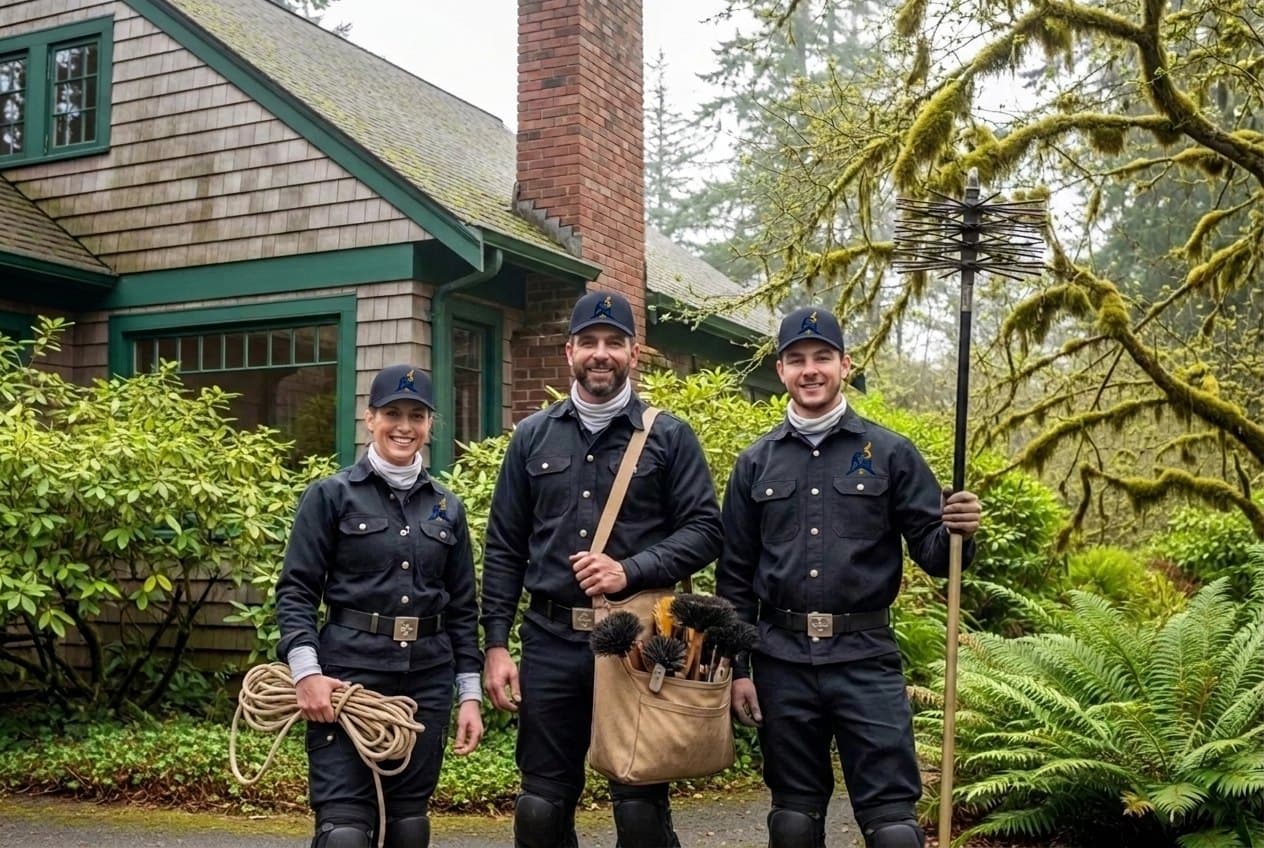
Bellevue & the Eastside, WA
A new stainless-steel or cast liner restores a safe, code-compliant flue when the old liner is cracked, corroded or undersized.
Our price
From $1,895
Book an inspection
Book your $99 inspection
$99 plus tax, deducted when you approve the repair
Not sure where to start
Pick what you're seeing — we'll point you to the right fix.
What we do
Sweeping, inspection, relining and masonry — one local crew for the whole chimney.
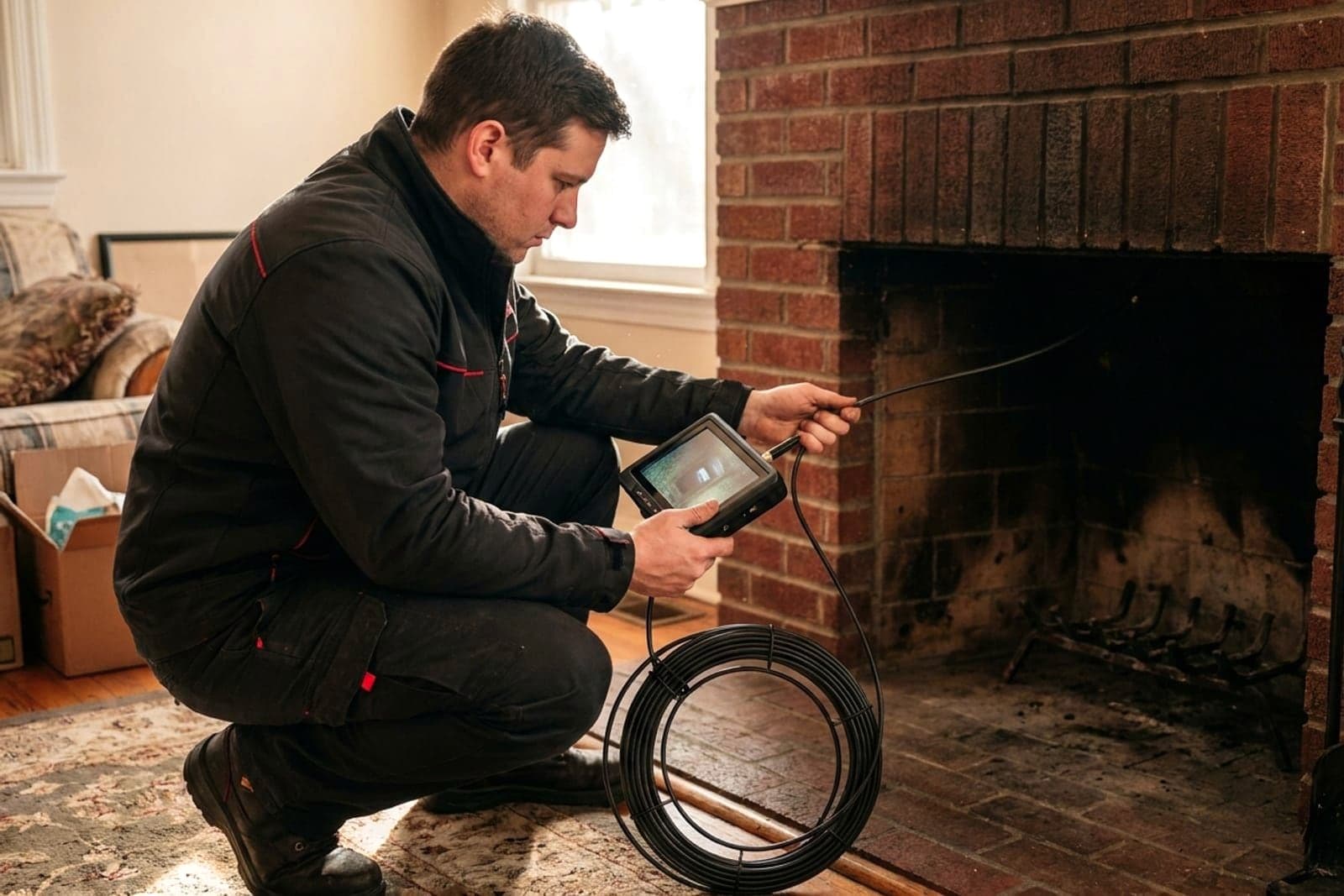
Chimney inspection in Bellevue for $99 plus tax — a CSIA-style inspection catches cracks, blockages and liner damage before they become a fire or carbon-monoxide hazard.
Learn more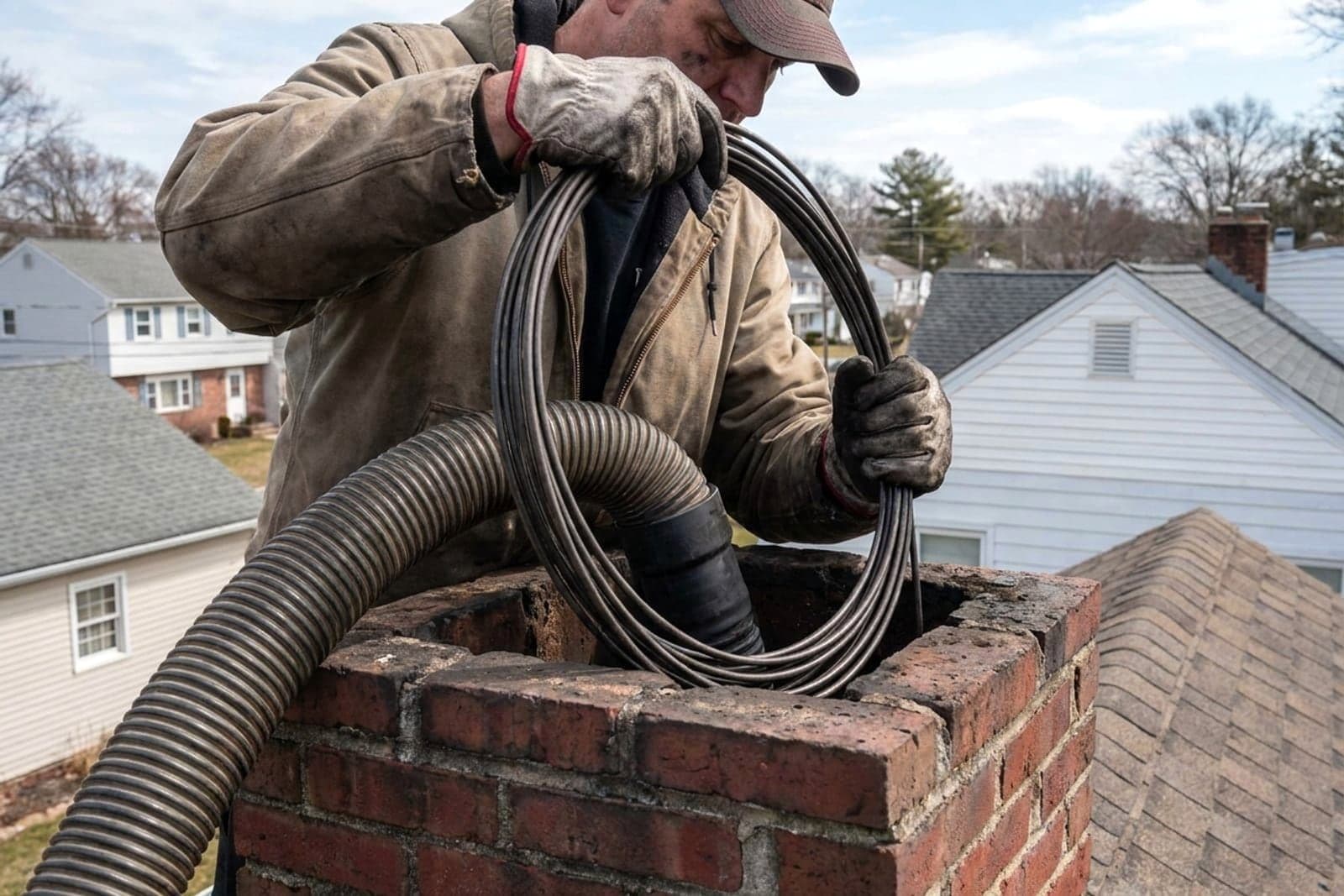
Chimney sweeping and cleaning in Bellevue, $189–$449 — we remove the soot and creosote that build up every burning season and cause chimney fires, Level 1 check included.
Learn more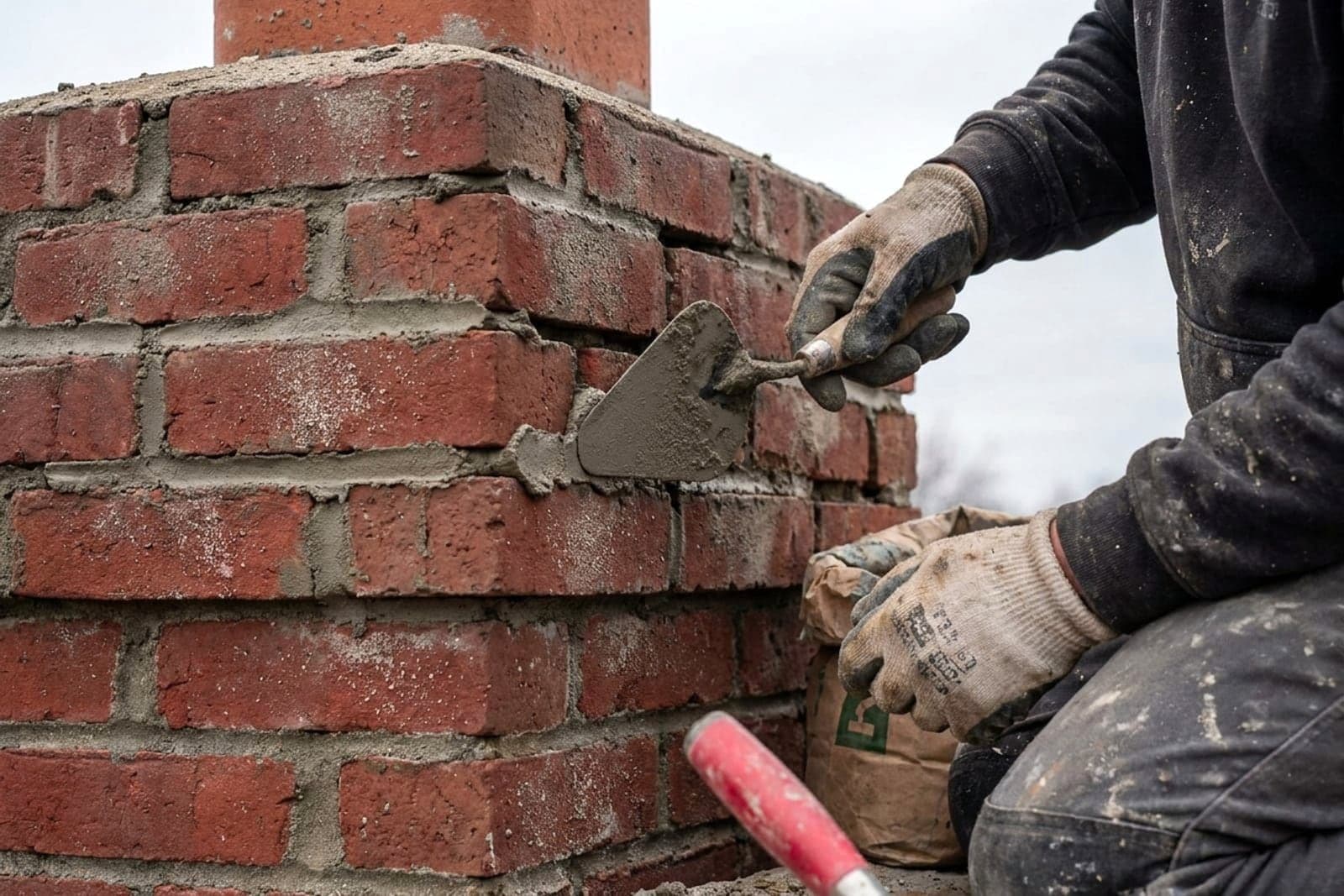
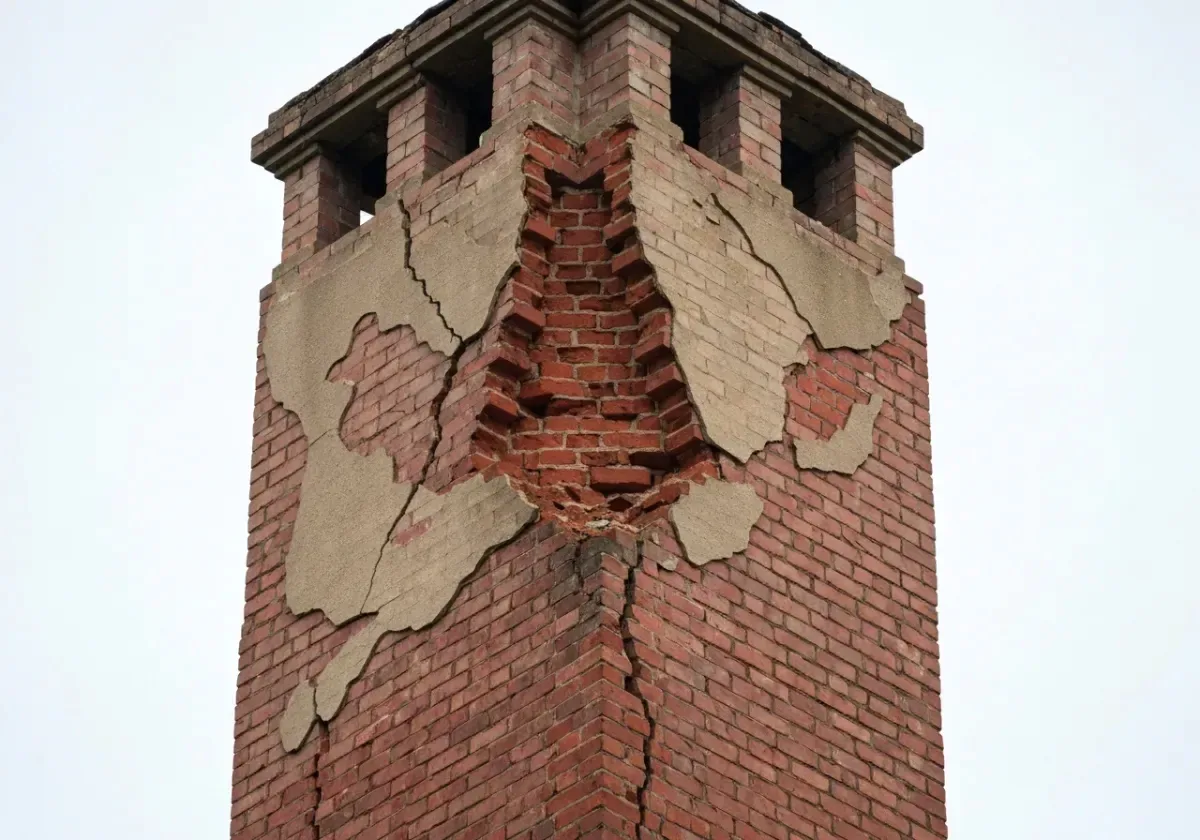
Chimney repair in Bellevue from $425 — firebox rebuilds, mortar and brick repair; we fix the structural problems that let water and heat into your home.
Learn more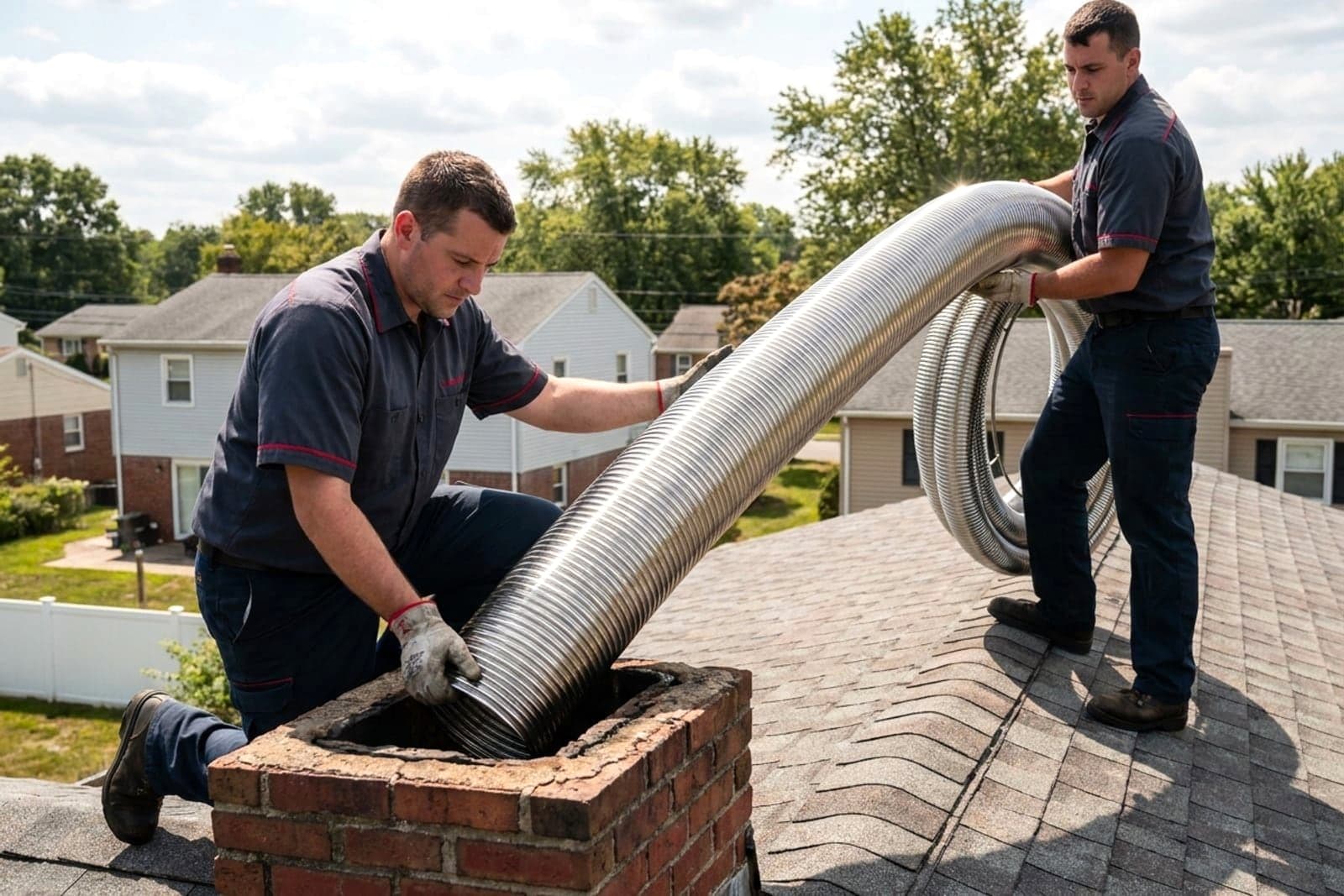
A new stainless-steel or cast liner restores a safe, code-compliant flue when the old liner is cracked, corroded or undersized.
Learn more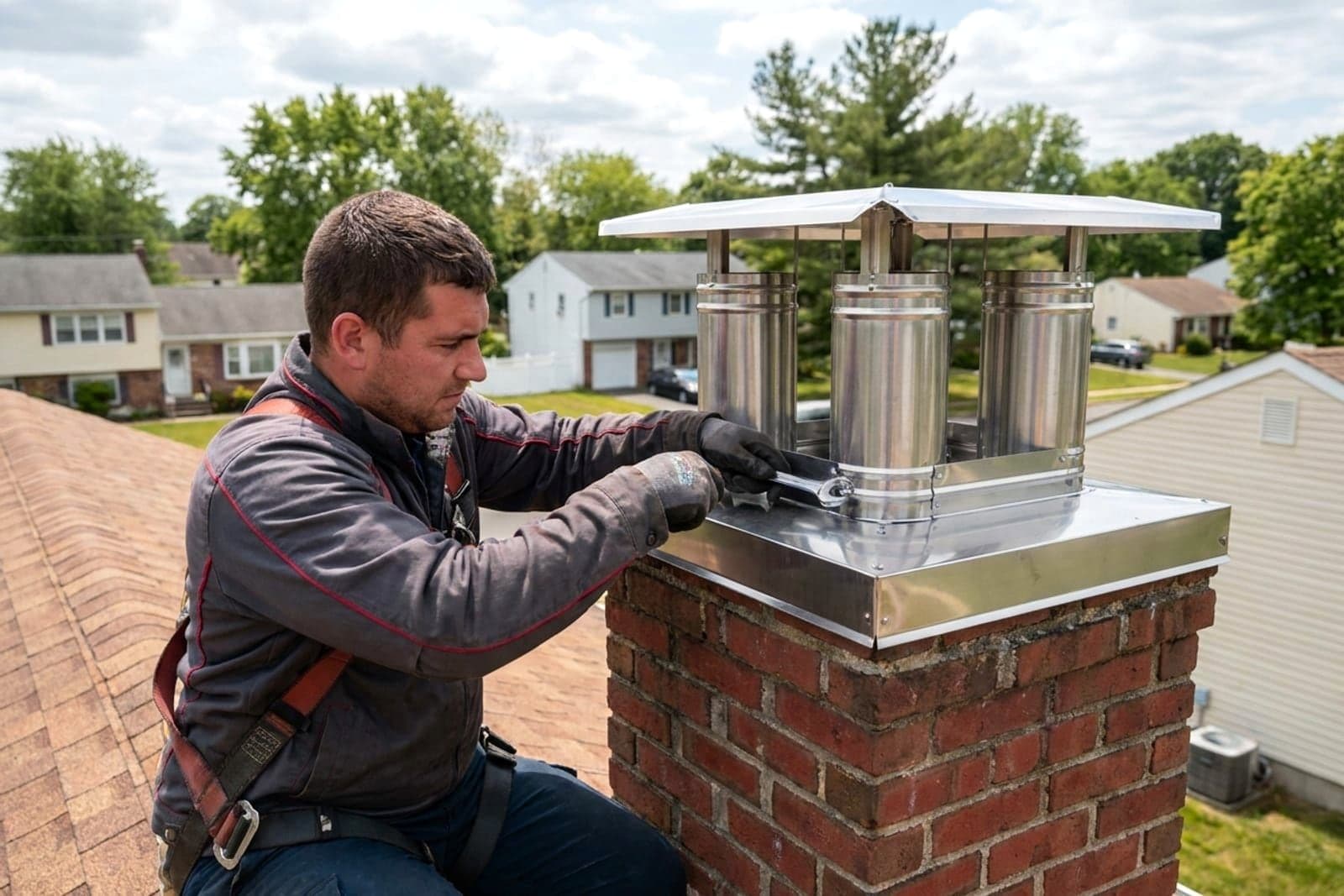
Chimney cap installation in Bellevue for $235–$845 including the cap. Stainless steel keeps rain, animals and embers out of your flue — the cheapest insurance against expensive water damage.
Learn more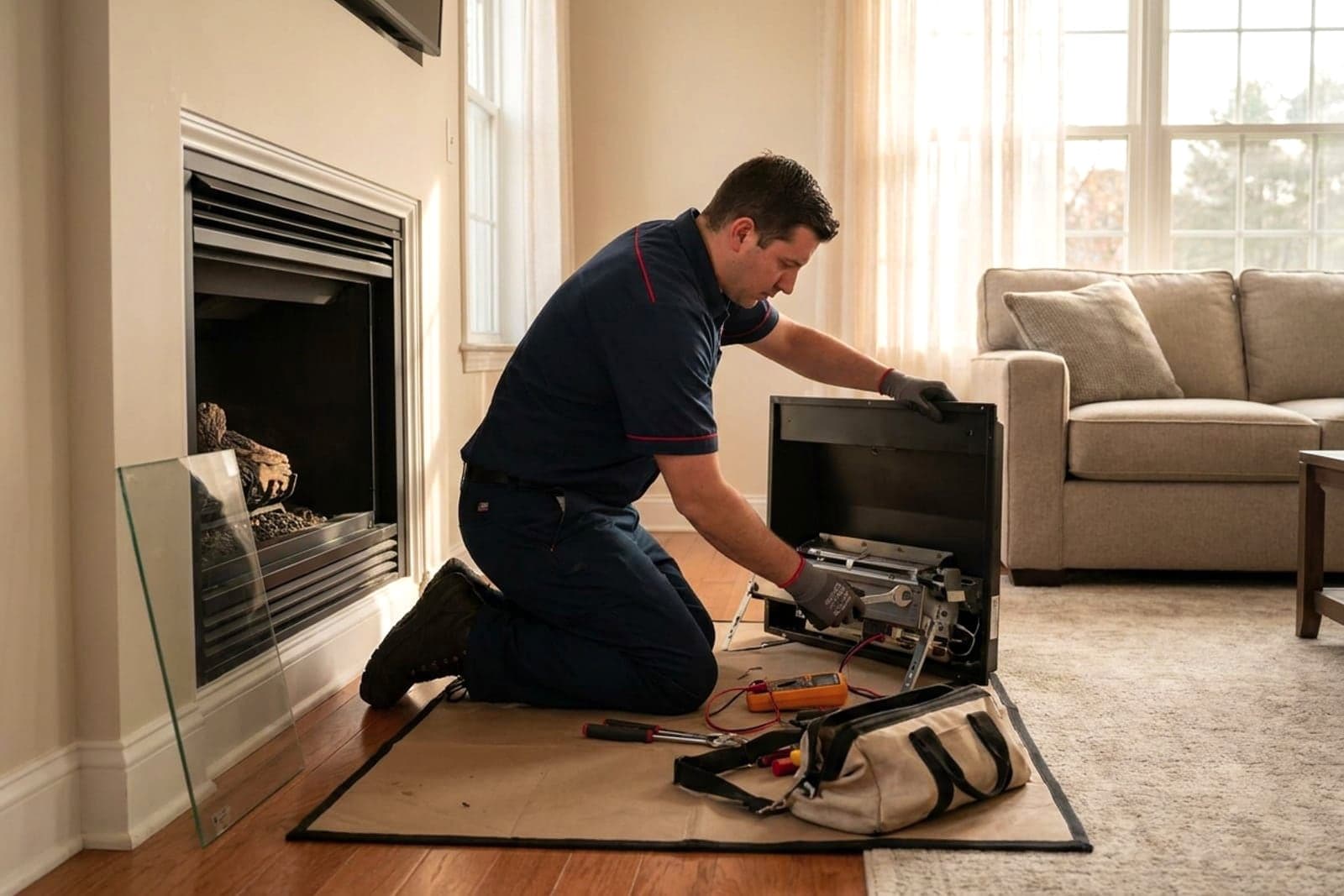
Annual gas-fireplace service keeps your unit burning safely and efficiently and catches gas or venting issues early.
Learn moreRanges shown for orientation — the exact figure is written up on-site, after the inspection.
Within your chimney, the liner serves as the crucial barrier protecting your home's structural framing from intense heat and hazardous combustion gases. When this liner develops cracks, corrodes, or was simply never present (as in some older Eastside homes), both heat and deadly carbon monoxide can infiltrate combustible materials—the primary cause for a chimney being deemed unsafe. We expertly install precisely sized stainless-steel or ceramic liners, adding insulation where necessary, to restore your chimney to code compliance and ensure its long-term safety and performance.
Many mid-century and older masonry chimneys gracing Bellevue's waterfront properties are particularly susceptible to liner failure. The relentless Pacific Northwest moisture, coupled with age and sometimes an original lack of proper lining, accelerates corrosion and deterioration, making relining a frequent necessity in these unique Eastside homes.
A compromised or absent flue liner creates a direct conduit for extreme heat and invisible carbon monoxide to permeate your home’s wood framing. This severe vulnerability is the single most frequent reason a chimney is red-tagged, posing a critical fire and health hazard to Bellevue residents.
The flue liner is your chimney's primary defense, preventing searing heat and toxic combustion gases from directly contacting your home's structural wood framing. Should this vital barrier crack, corrode, or if it was never incorporated into an older masonry chimney, heat can reach flammable materials, and deadly carbon monoxide can silently seep into occupied areas. This makes a failed liner the most prevalent cause for a chimney being condemned as unsafe. Beyond safety, a precisely sized liner is also essential for maintaining efficient and secure drafting of your heating appliance.
How it works
A camera scan confirms the failure and the exact flue size.
Stainless for most setups, ceramic for high-heat — sized to your appliance.
We feed and secure the liner, insulate as required, and seal the top.
A final check and photos confirm a safe, code-compliant flue.
Licensed& insured Washington chimney contractor
5 communitiesOn the Eastside, King County
$99 plus taxInspection, credited toward an approved quote
Every jobDocumented with before-and-after photos
If any of these sound familiar, book the $99 plus tax inspection — credited toward the work if you approve the quote:
By town
The 5 Eastside communities we serve. Pick yours for local scheduling and the chimney issues we see there.
Before and after
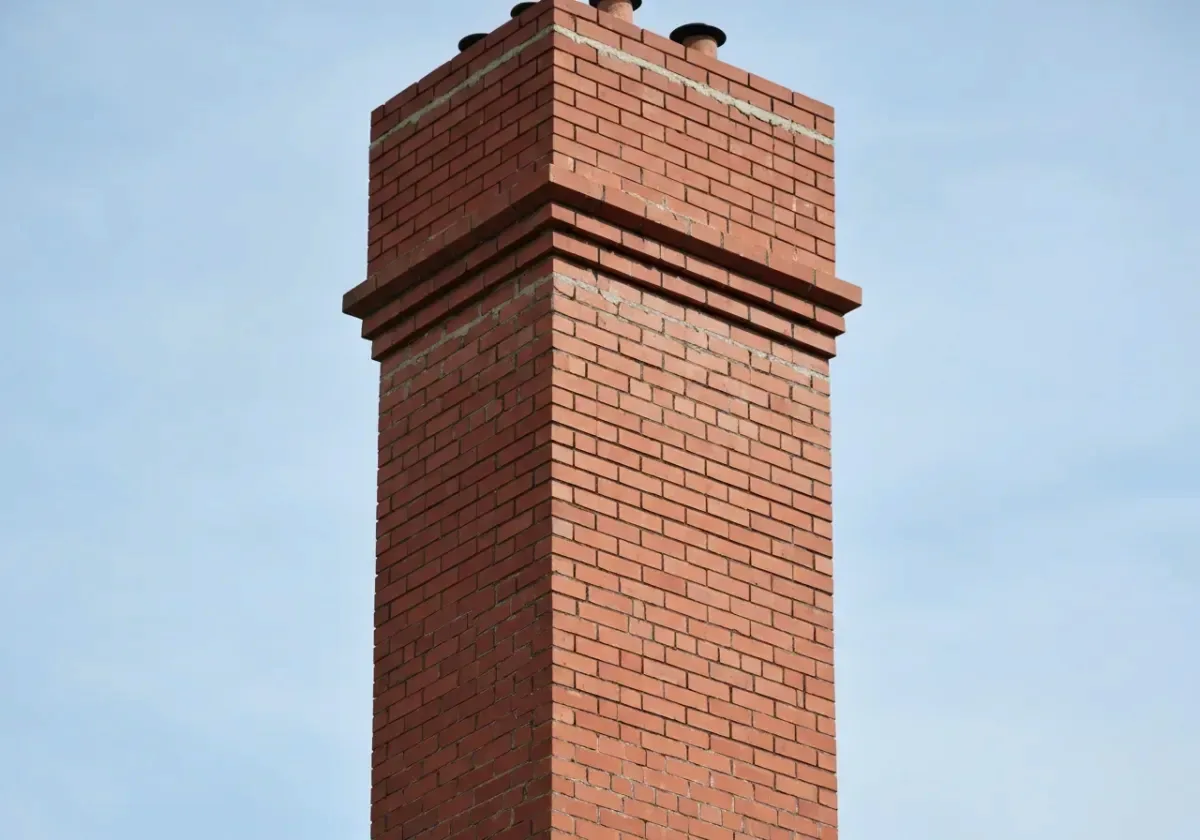
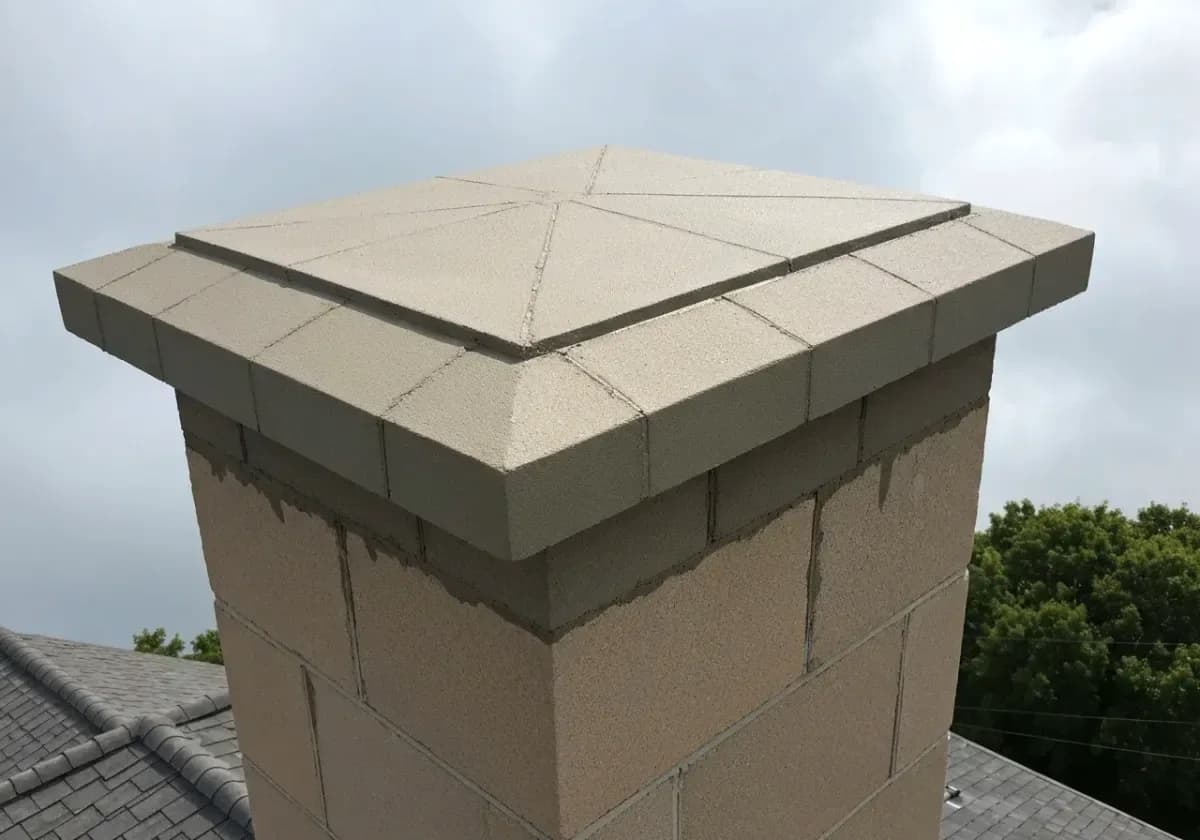
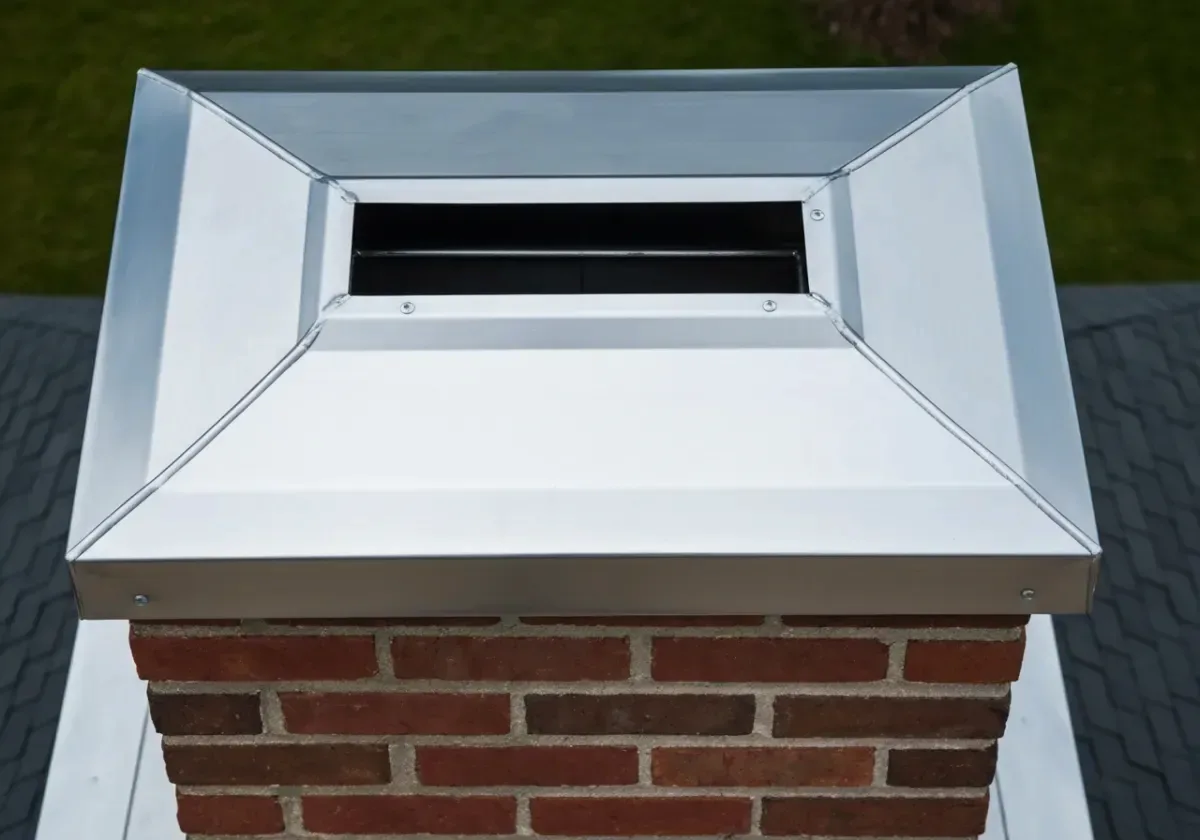
Illustrations of what each repair changes on a typical chimney — not photos of a specific job.
 Before
 After
After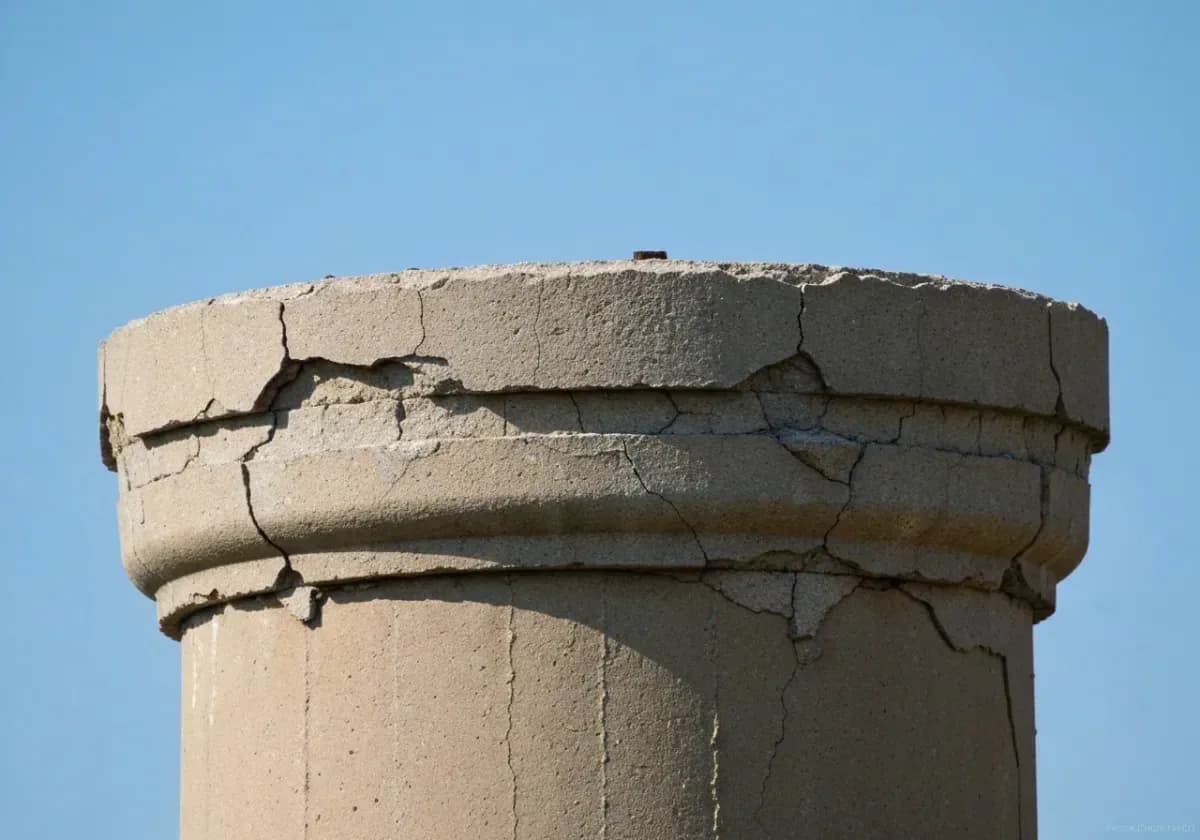 Before
 After
After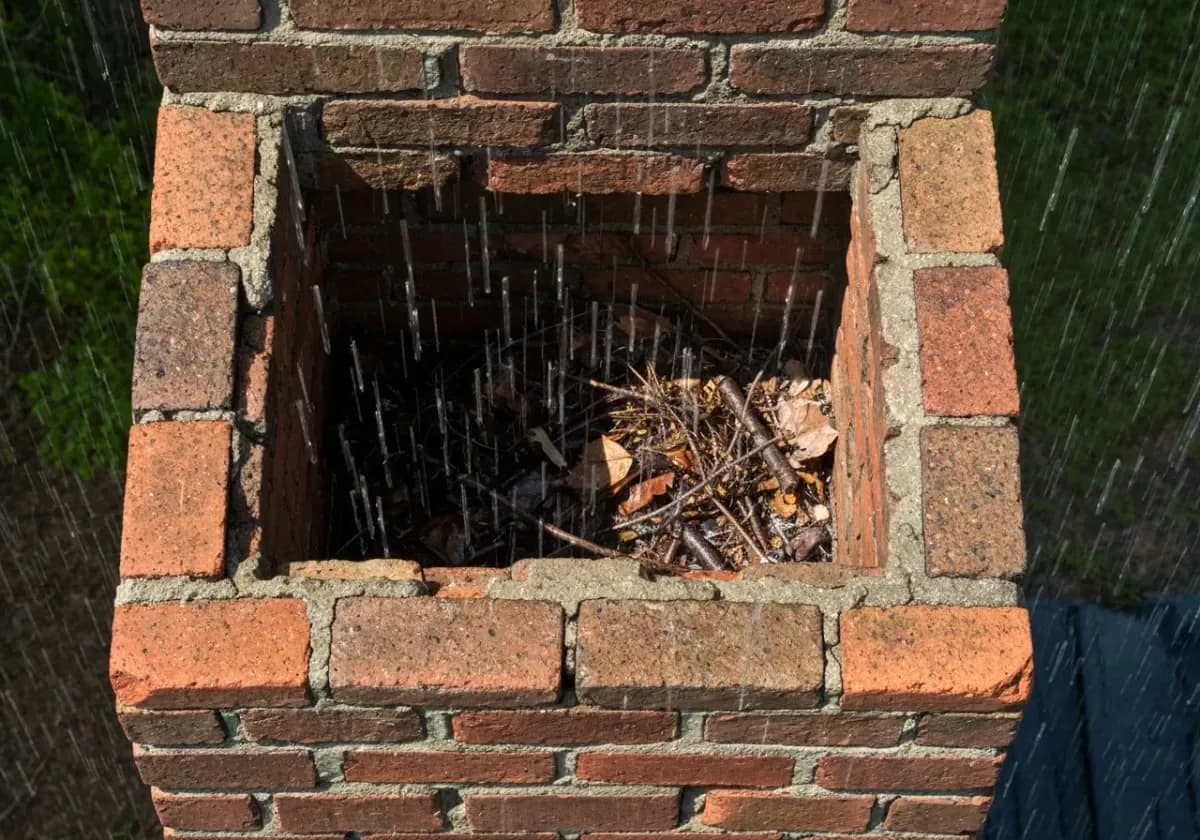 Before
 After
After
Four steps, each one on paper — so you always know what happens next.
Choose a genuine opening on the crew's calendar. Confirmation is immediate.
Liner, crown, cap, flashing and masonry examined in order — each finding photographed.
One document, plain numbers, covering only the work your chimney genuinely needs.
The repair is completed, then handed over with before-and-after photos of every item.
Before you let anyone in
Every fact below is one you can check yourself before we ever set foot on your roof.
The on-site inspection is $99 plus tax, and it is credited toward the work when you approve the written quote. Booking online asks for no card.
You get the price in writing, for the work your chimney actually needs, and nothing starts until you have approved it.
Each item we inspect or repair is photographed before and after, so the condition of your chimney is on record.
Call (425) 380-8866 — a local Eastside number, the same one on every page of this site.
Licensed& insured Washington chimney contractor
5 communitiesOn the Eastside, King County
$99 plus taxInspection, credited toward an approved quote
Every jobDocumented with before-and-after photos
Serving Bellevue, Mercer Island, Medina, Clyde Hill & Issaquah
Common indicators for Bellevue chimneys include finding small pieces of clay flue tile in your firebox, a failed Level 2 inspection report, persistent white efflorescence on the exterior masonry, or historical knowledge that your older chimney was never lined. A specialized camera scan of the flue provides definitive confirmation.
Chimney relining represents a more substantial investment than a routine sweep, given the specialized materials and labor involved. Costs for stainless steel liners differ from ceramic cast-in-place options. Following a thorough camera inspection of your flue, we will provide a precise, itemized quote specific to your Bellevue home's needs.
For most residential chimneys, our relining process is efficiently completed within a single day.
Stainless steel liners are versatile, suitable for the majority of wood, gas, and oil-burning appliances, and are installed relatively quickly. Cast-in-place ceramic liners, however, are typically employed for applications involving exceptionally high heat or unique flue configurations. Our recommendation will always be tailored precisely to your specific appliance and chimney system.
Absolutely. Once the new liner is expertly installed and thoroughly verified by our technicians, your chimney immediately meets all safety codes and is ready for you to safely enjoy your fireplace.
See chimney relining pricing in detailMore chimney questions
Chimney sweeping and cleaning in Bellevue, $189–$449 — we remove the soot and creosote that build up every burning season and cause chimney fires, Level 1 check included.
Learn moreChimney inspection in Bellevue for $99 plus tax — a CSIA-style inspection catches cracks, blockages and liner damage before they become a fire or carbon-monoxide hazard.
Learn moreChimney repair in Bellevue from $425 — firebox rebuilds, mortar and brick repair; we fix the structural problems that let water and heat into your home.
Learn more| Service | Price in Bellevue | What that covers |
|---|---|---|
| Chimney Relining | From $1,895 | Full-length stainless liner, sized to the appliance |
| Chimney Sweep | $189–$449 | Full flue swept, Level 1 inspection included |
| Chimney Inspection | $99 plus tax | Level 1 visual; Level 2 adds a full camera scan |
| Chimney Repair | From $425 | Masonry repair — brick and mortar, scoped after diagnosis |
Ranges are what these jobs are quoted at in Bellevue. The exact figure is set on site after a $99 inspection (credited toward the job if you go ahead), and you approve it before any work starts.
Licensed local crews, a $99 on-site inspection credited toward repairs, and a written quote before any work. Book a real open slot on our calendar.