Clyde Hill, King County
Chimney work in Clyde Hill is work on private houses. The town is almost entirely single-family, on lots of at least 20,000 square feet, and each chimney belongs to one household with its own history of fires, remodels and appliance changes. We start every job with a look at the whole chimney, from the hearth to the top of the stack, and put what we find in writing with photos before anyone talks about price.
Book an inspection
Book your $99 inspection
$99 plus tax, deducted when you approve the repair
Not sure where to start
Pick what you're seeing at your Clyde Hill home — we'll point you to the right fix.
What we do
The same crew, the same written quote — for Clyde Hill homes.
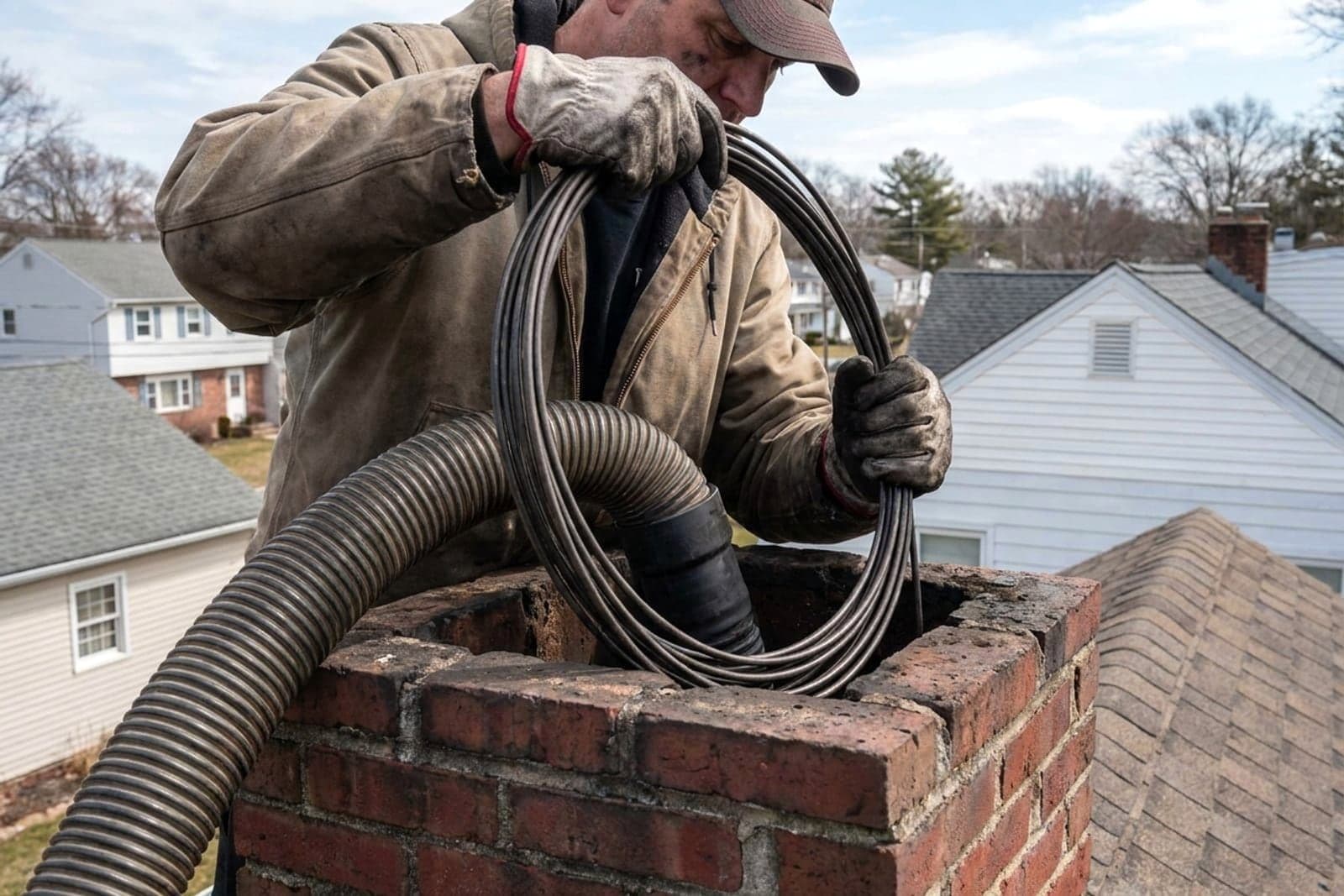
Complete sweep of the flue and firebox, protected by drop cloths and HEPA filtration
Learn more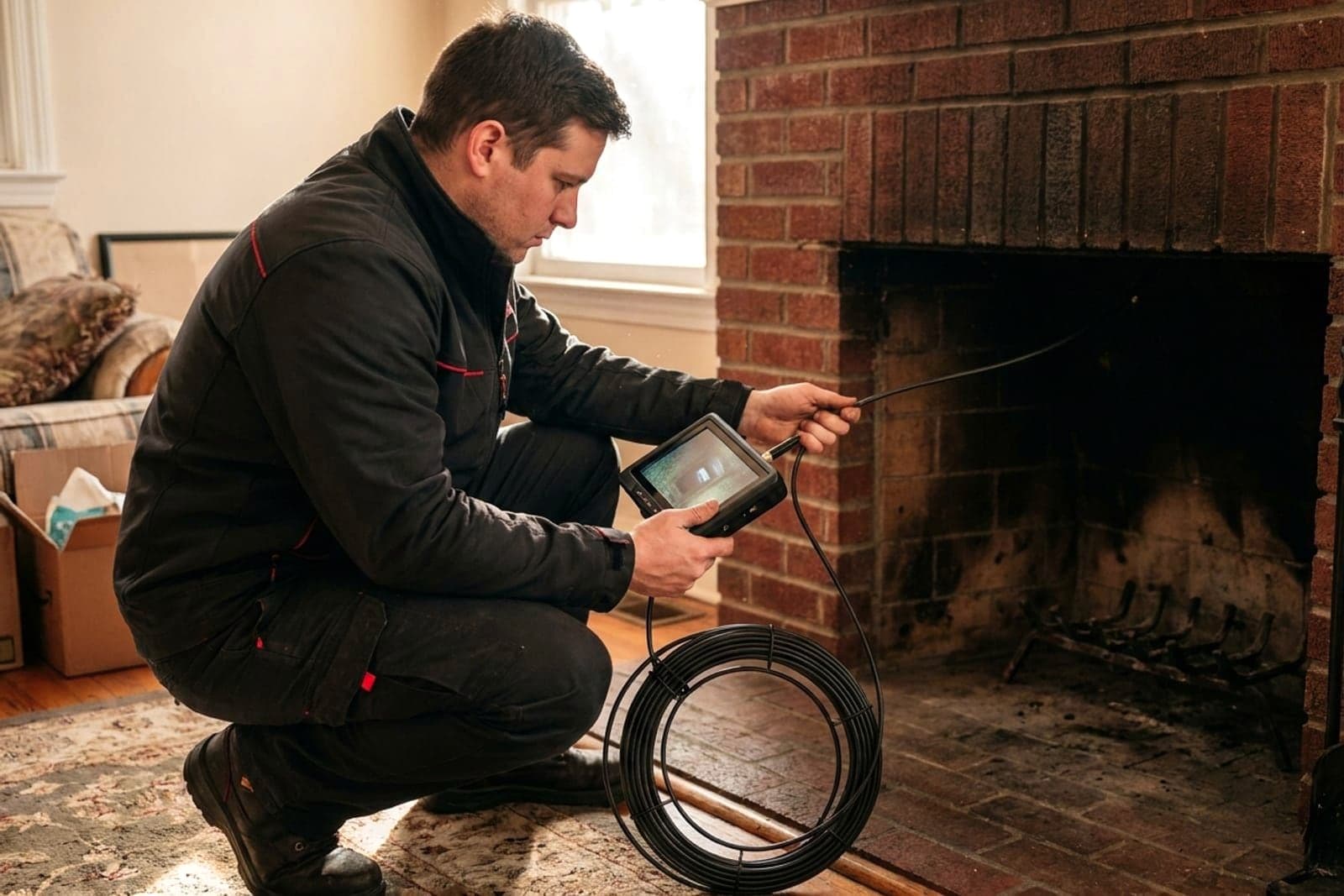
Level 1 or Level 2 inspection, with a camera scan where warranted
Learn more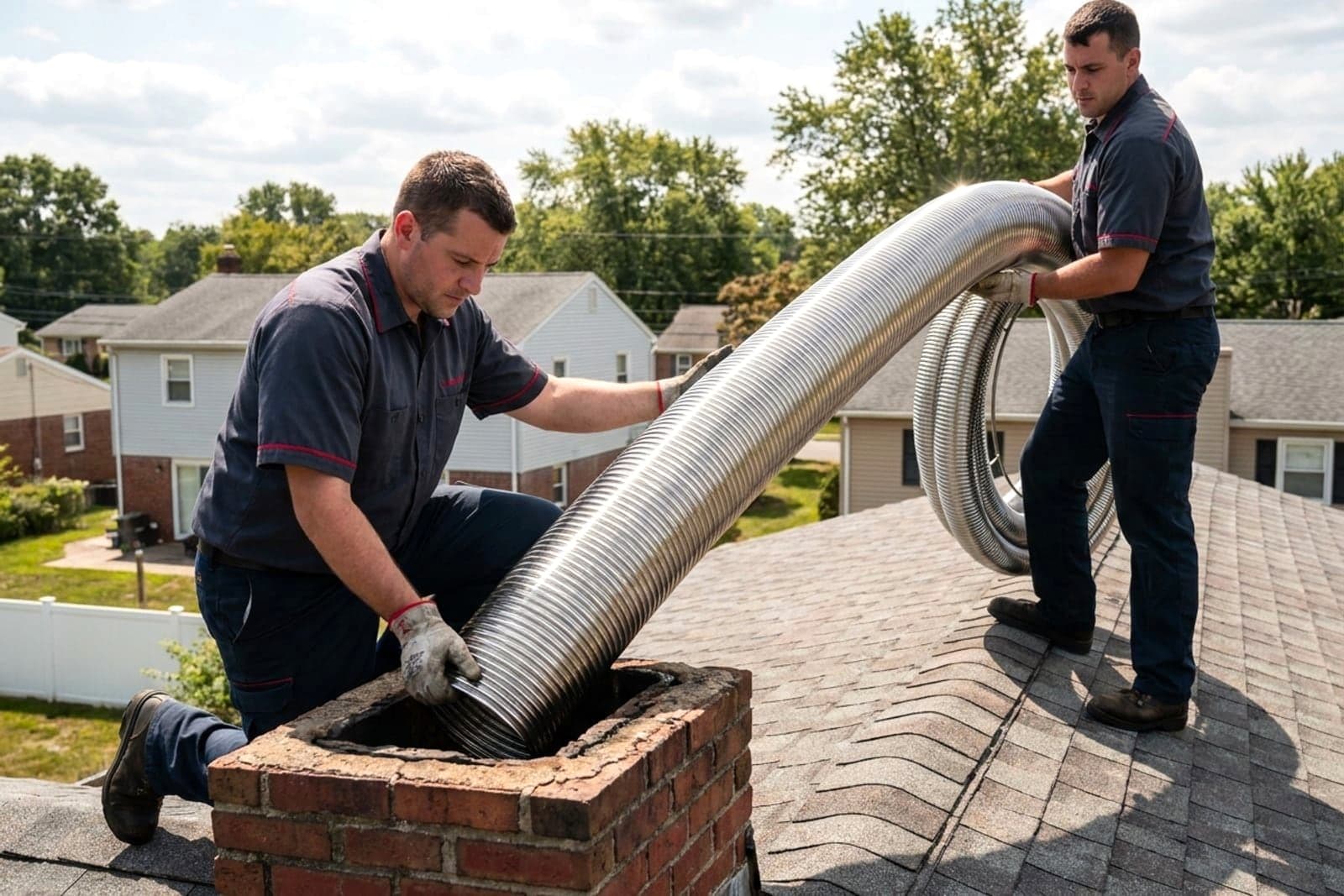
A stainless-steel or ceramic liner run the full height of the flue
Learn more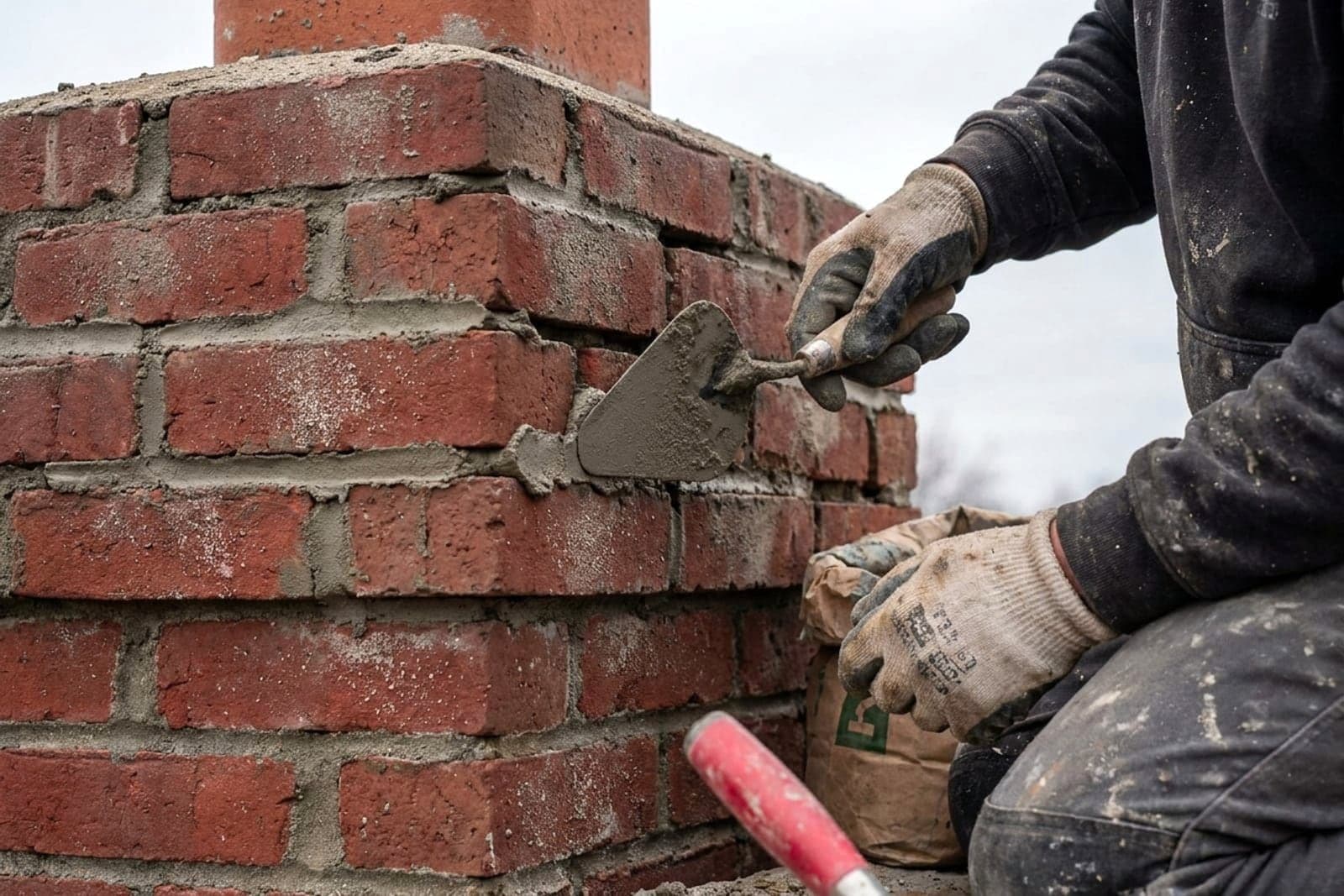
Restoration of brick, mortar joints and firebox
Learn more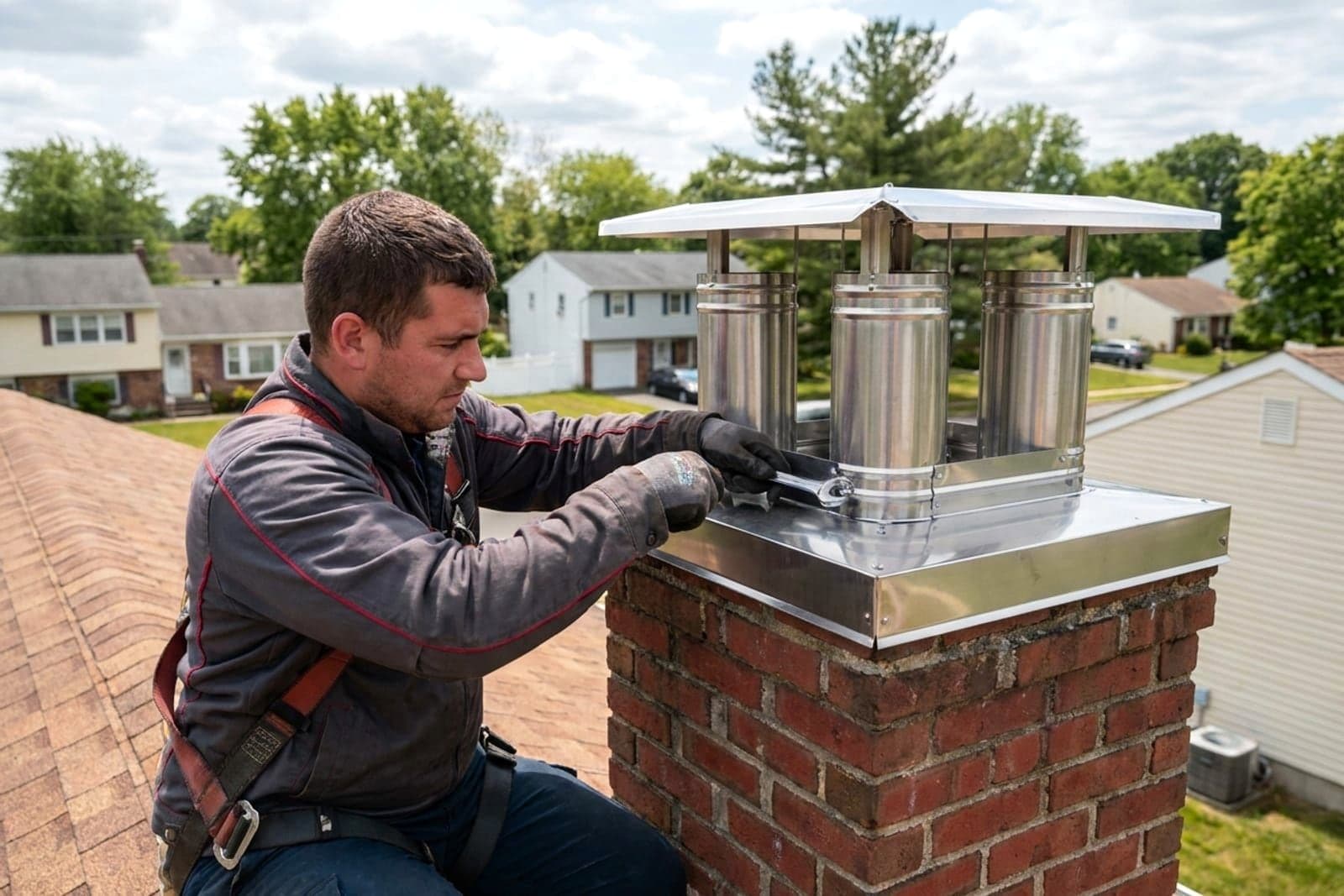
A stainless cap fitted to your flue's exact dimensions
Learn more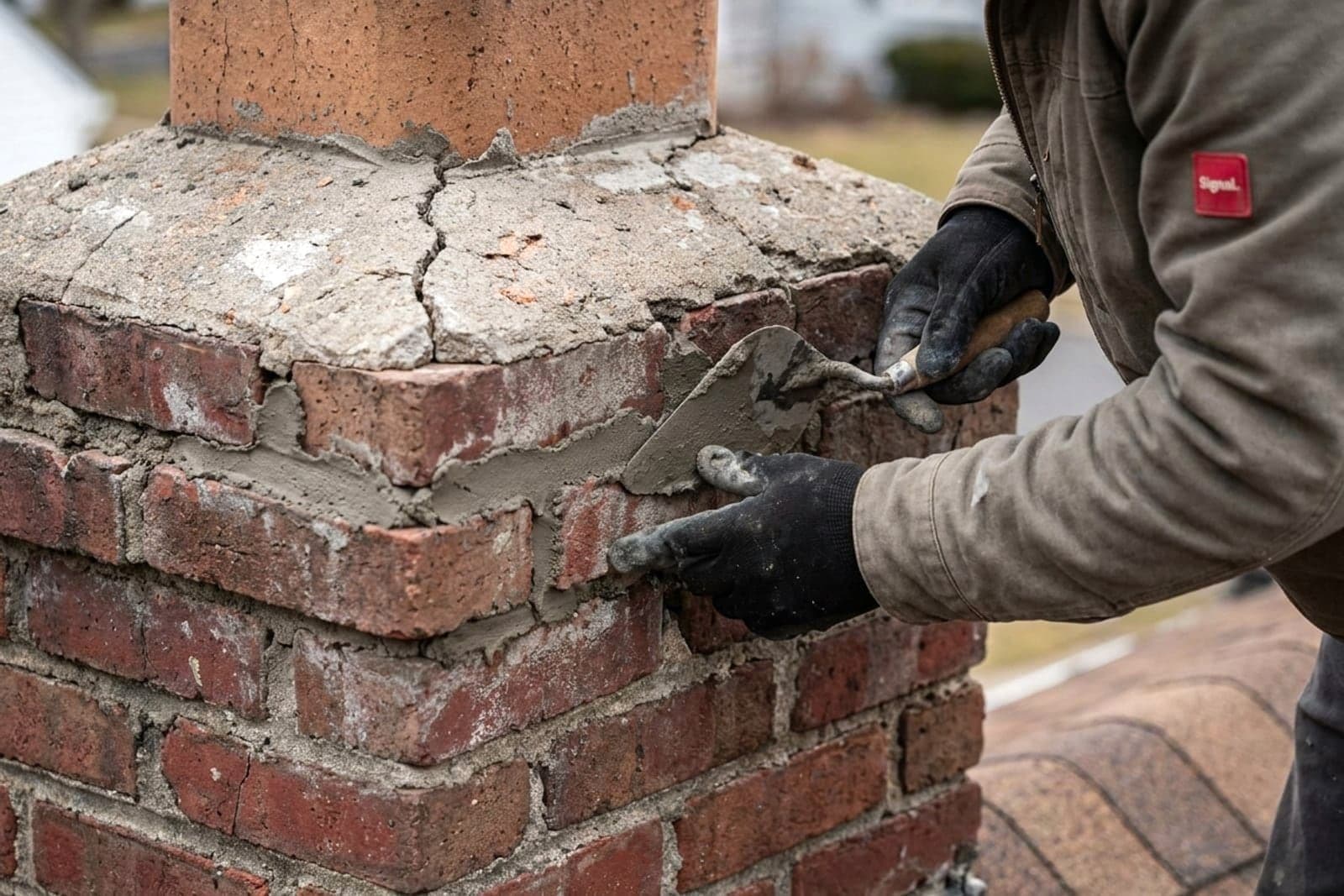
Crown recast — or rebuilt outright where the damage demands it
Learn more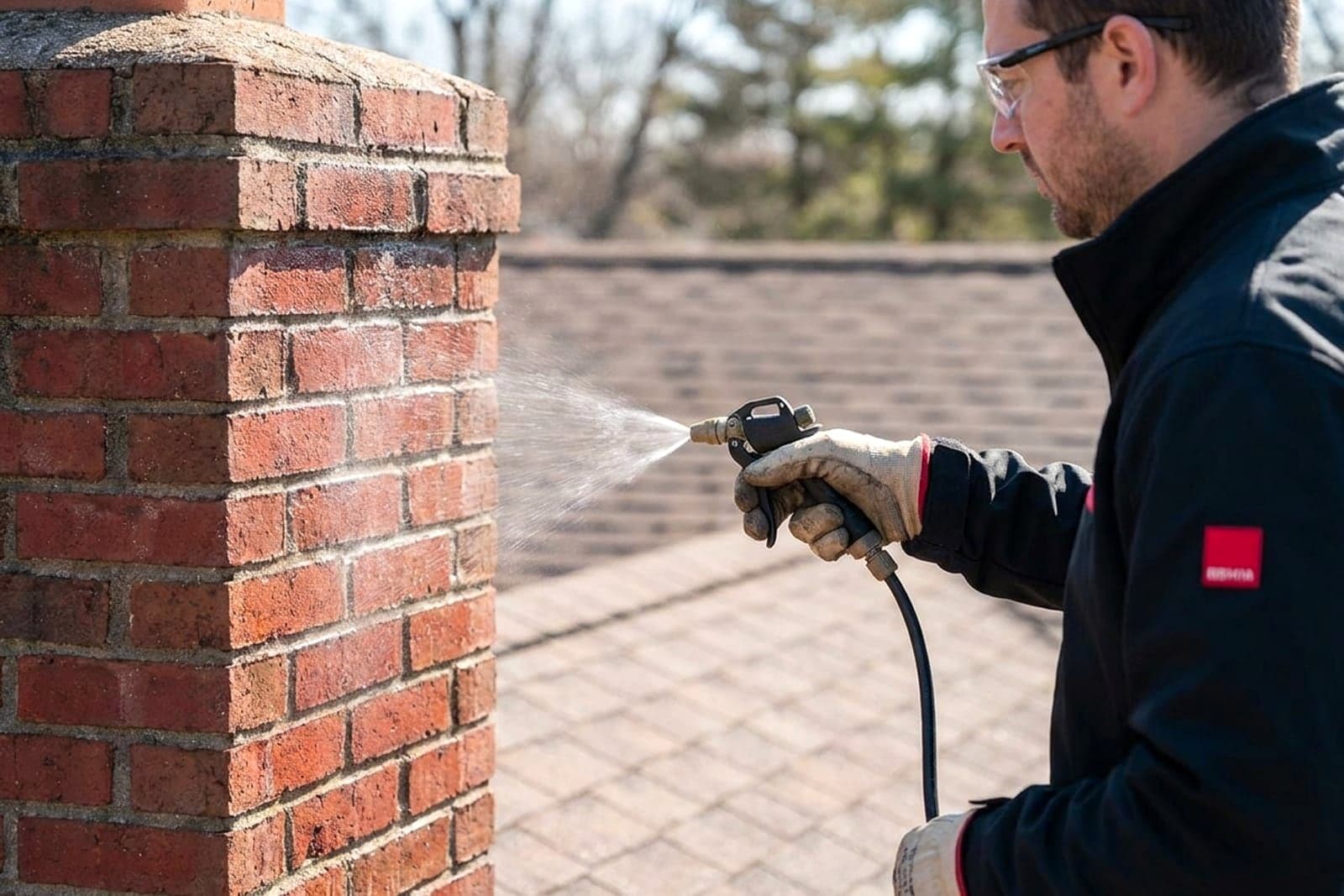
A breathable sealant that lets masonry release trapped moisture
Learn more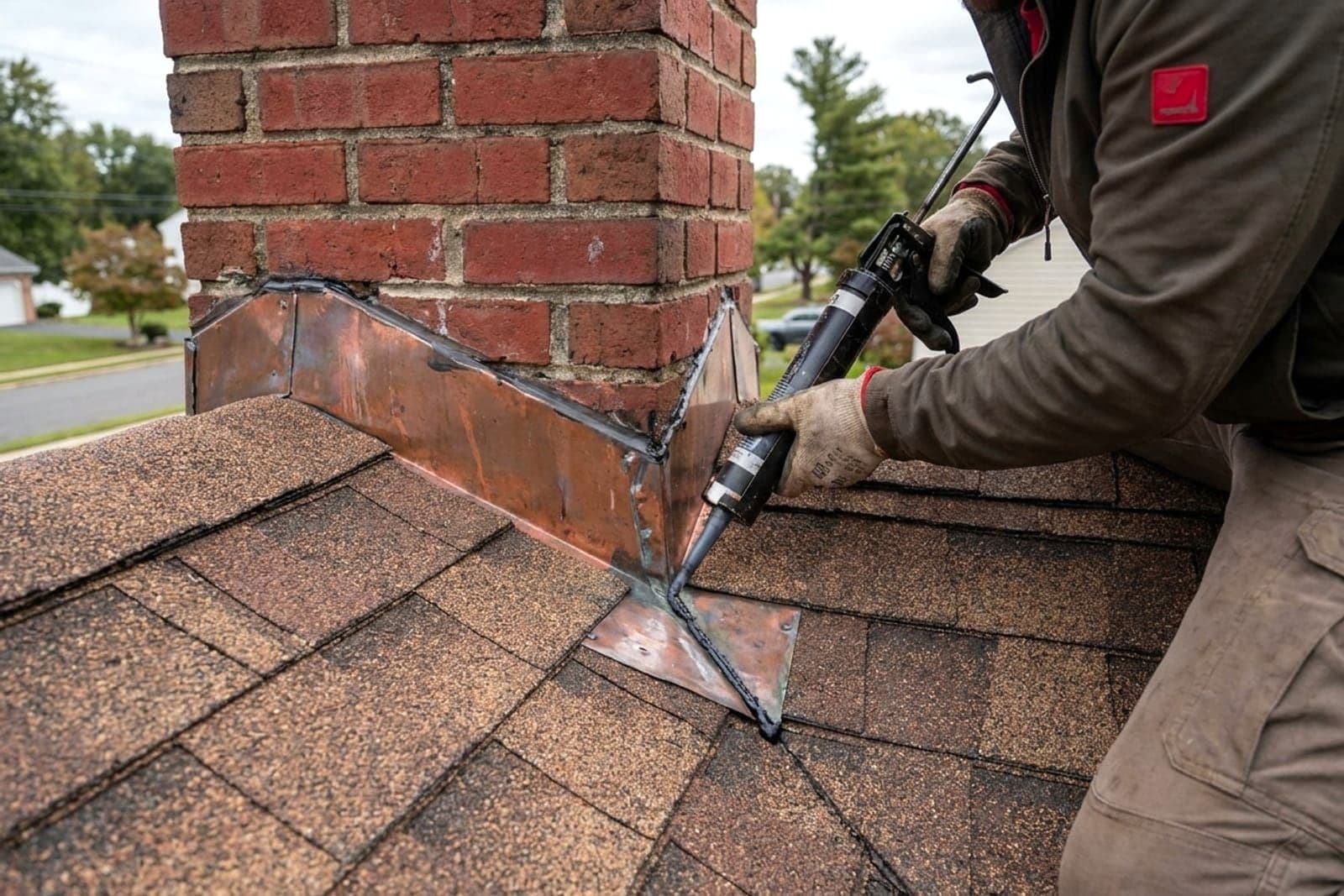
Resealing, or full replacement where the metal has failed
Learn more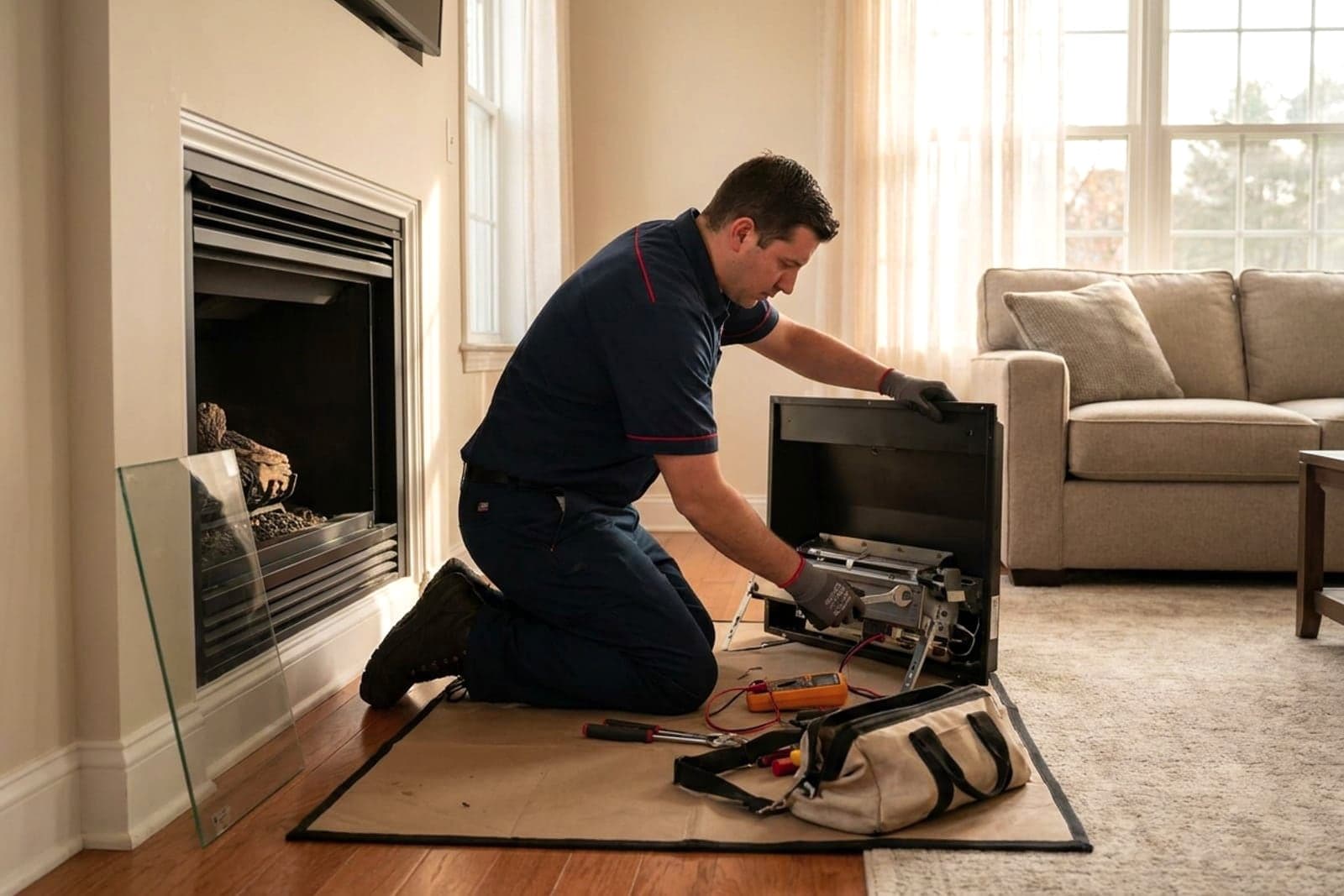
Cleaning of the burner, pilot and valve assembly
Learn more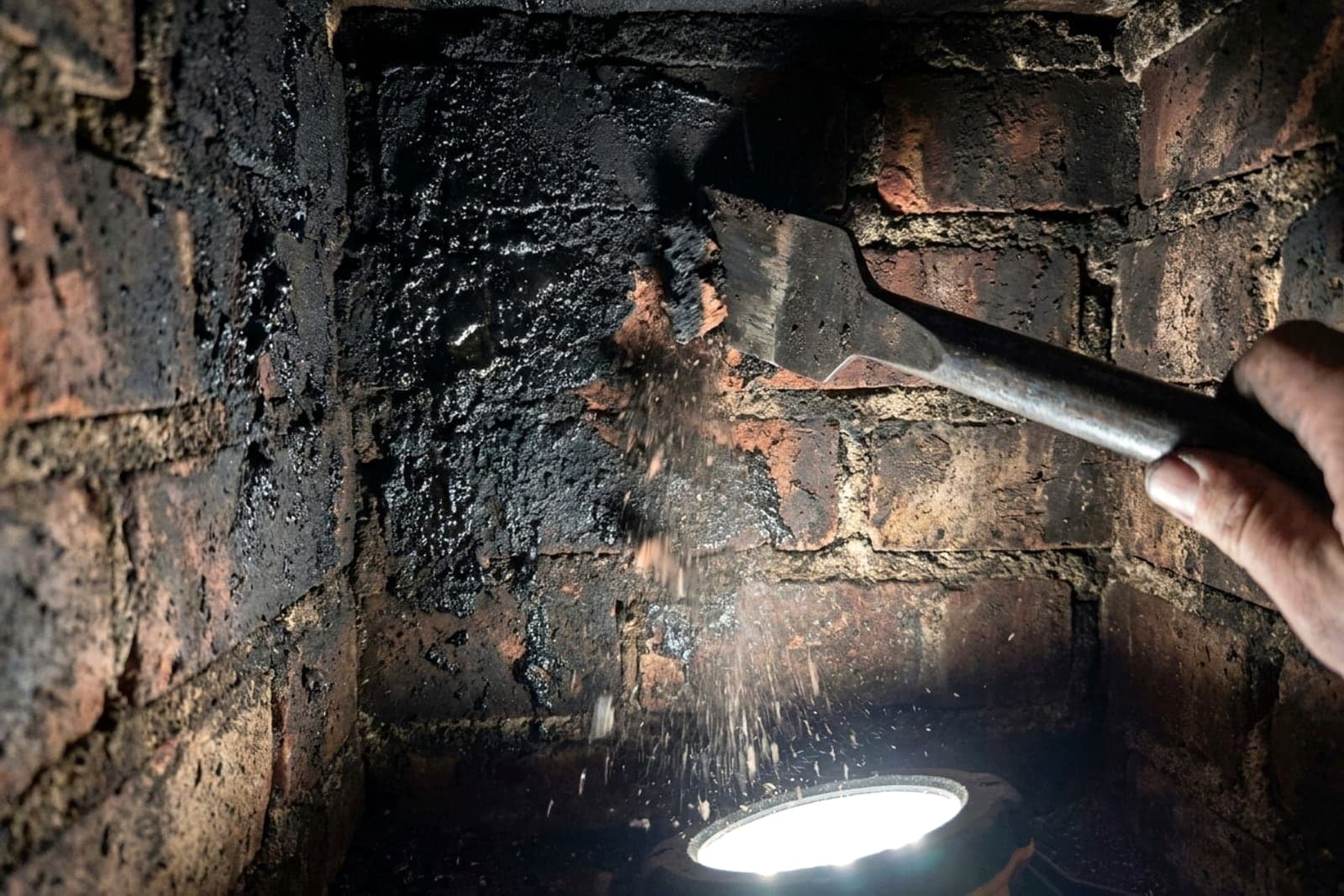
Assessment of Stage 2–3 creosote buildup
Learn more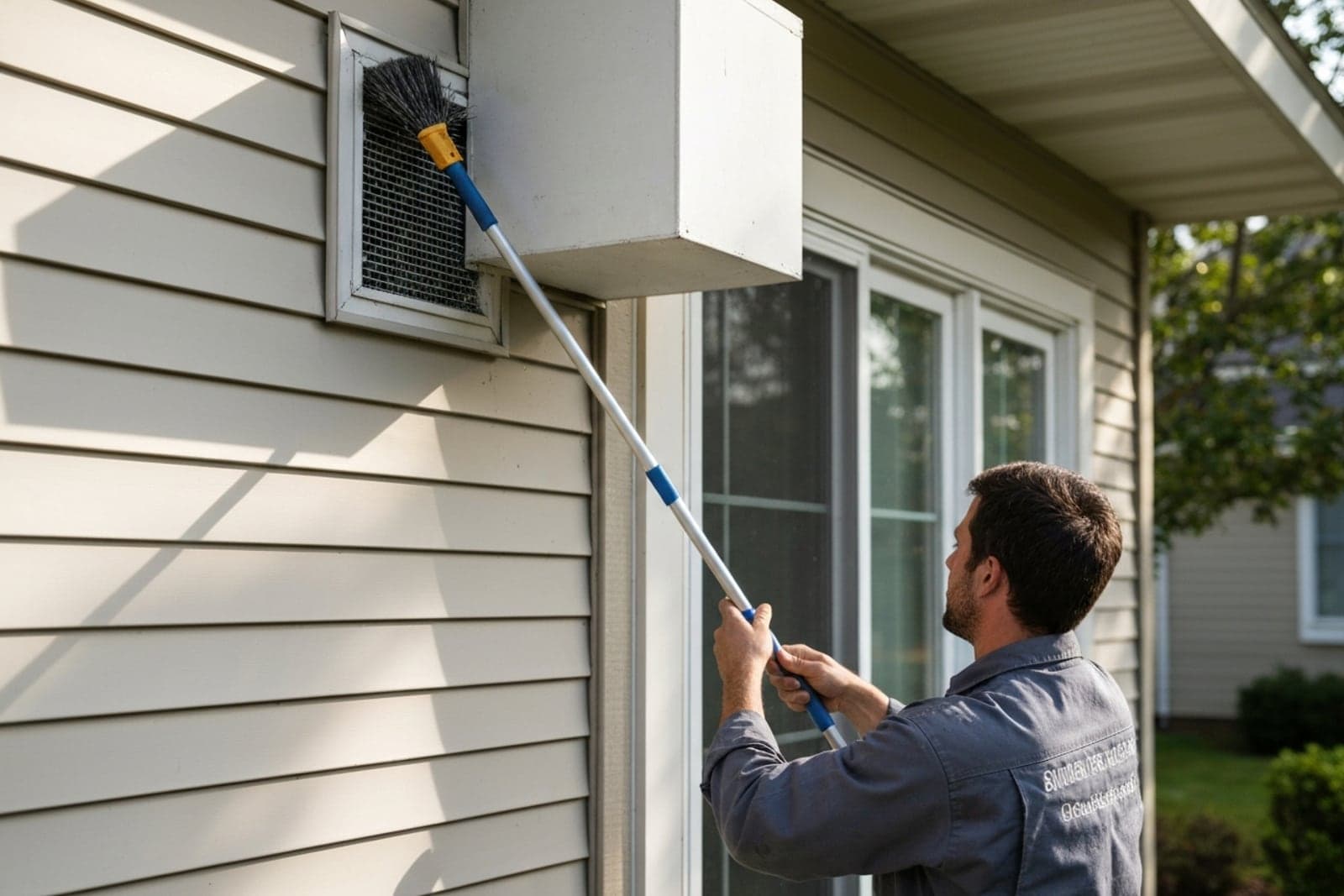
The complete vent run cleaned end to end
Learn more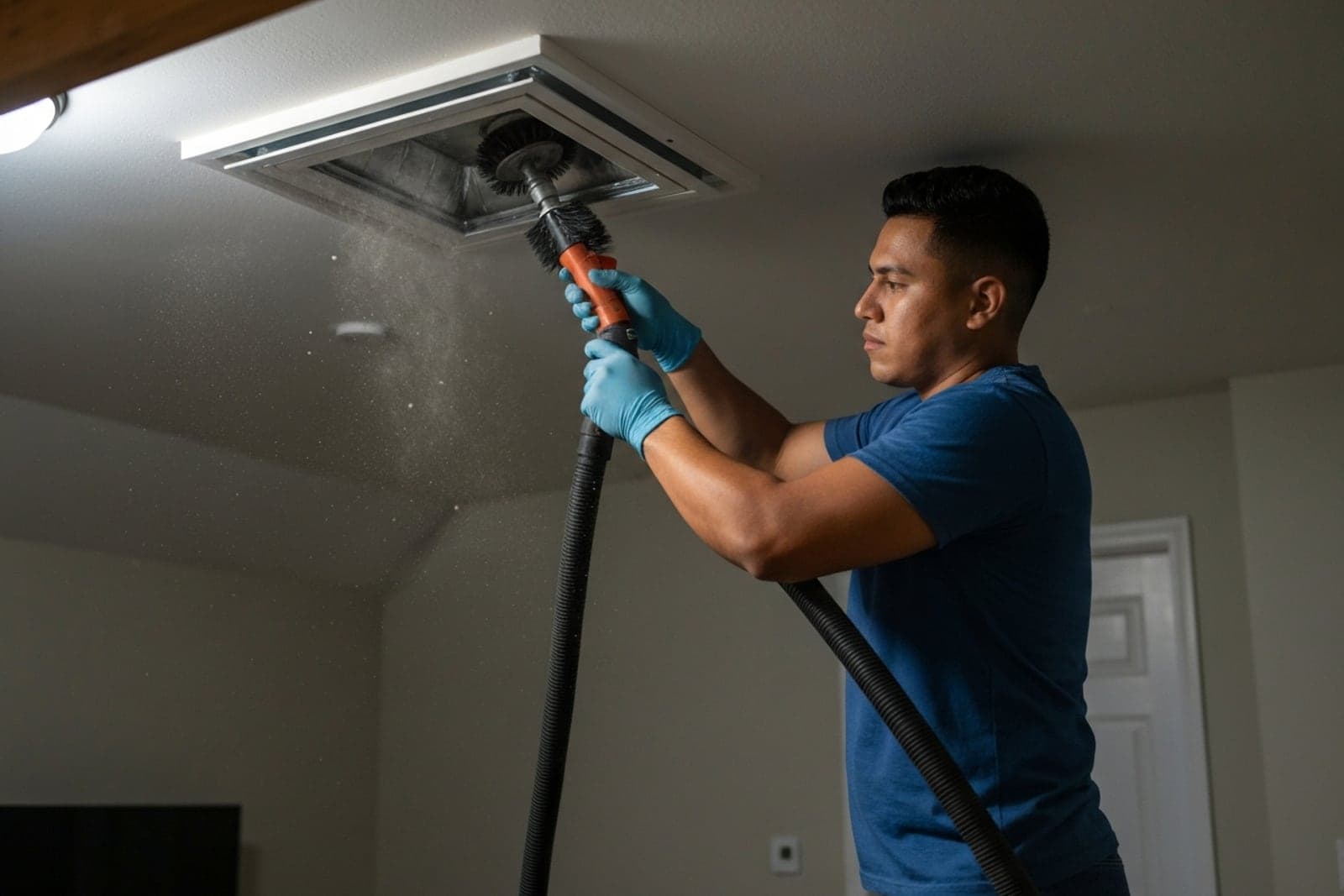
Cleaning of both the supply and return runs
Learn moreRanges shown for orientation — the exact figure is written up on-site, after the inspection.
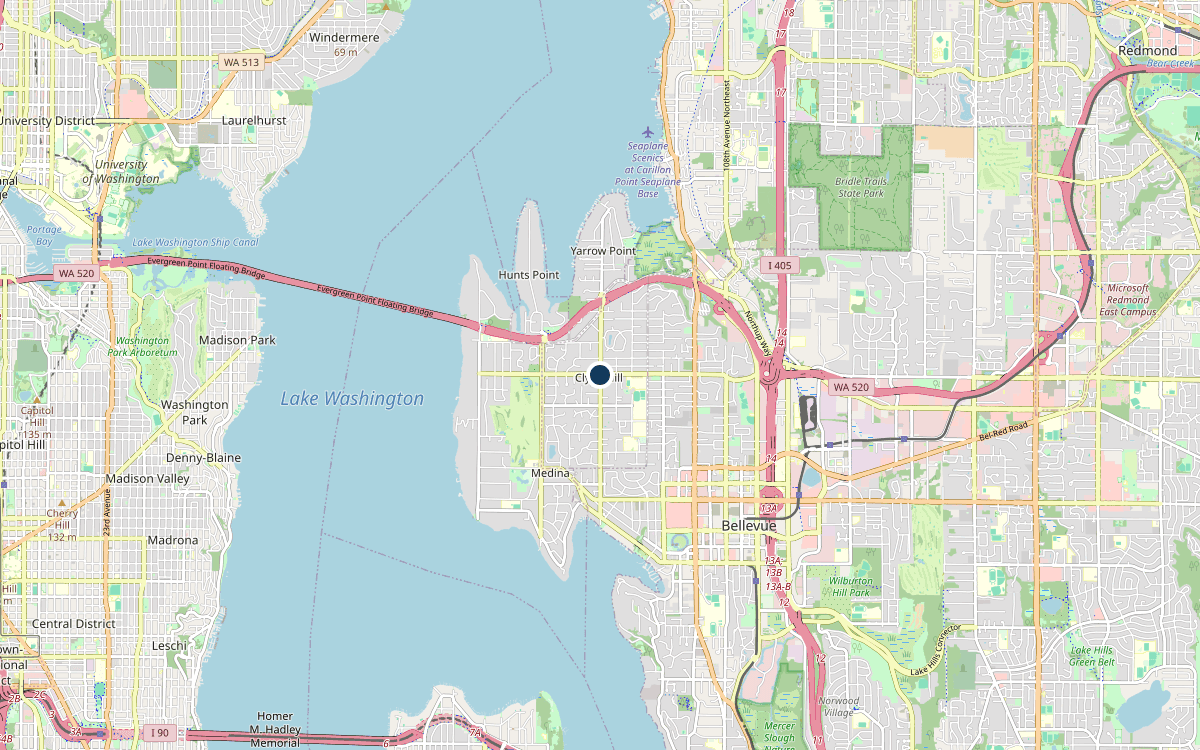
Service-area map — Clyde Hill, WA. Map data © OpenStreetMap contributors.
Clyde Hill is a hilltop community, not a waterfront one. By the early 1950s its farmland was giving way to suburban neighborhoods, and the town incorporated on March 31, 1953, largely to protect large minimum lot sizes. That choice still shapes the town: 3,126 residents at the 2020 census, and a housing stock in which all but 12 of the 1,098 units are single-unit homes. For a chimney company, that means one-family houses, individual roofs and owners who make every decision themselves.
HistoryLink's account of the 1953 incorporation and the city's own history page tell the same story: Clyde Hill became a town so that it could hold on to big lots as the farmland around it filled in. Seventy years later the 20,000-square-foot minimum is still on the books, and the state's housing figures bear it out: apartments and multi-unit buildings barely register here.
For the chimneys here, that density works in two directions. Access is rarely cramped, with room for ladders and a clear path to the roof. But there is no building manager or association keeping records, so what was done to a flue in a past remodel is often known only to whoever owned the house at the time.
Book a time that suits you, and a technician comes to the house for the inspection. We look at the firebox, damper, flue and the top of the stack, and write up what we see with photos. The on-site inspection is $99 plus tax, and it is credited toward the work when you approve the written quote.
If nothing needs doing, the report says so. If something does, each item carries a price from our published grid, and nothing is started until you have approved it.
Houses went up on Clyde Hill from the early 1950s onward, as farmland became residential streets. We do not assume a date for any particular house, but a fireplace that has seen several owners has often been changed: an insert set into the firebox, a stove connected to the old flue, or gas logs replacing wood.
Each change raises the same question. Washington's residential code wants the lining of any masonry flue matched to the listing of whatever is connected to it, and CSIA recommends a Level 2 inspection whenever an appliance is added or swapped, or relining is planned. On the hill, that inspection is where any liner decision should start.
The Washington Department of Natural Resources gives the Puget Sound region an 85 percent chance of a deep earthquake of magnitude 6.5 or more within 50 years. The most recent big one, Nisqually, hit in 2001; afterward, researchers checked roughly 60,000 chimneys in a band running west to Bremerton and east to Mercer Island, and 1,556 had damage, clustered on the Seattle fault zone.
FEMA's advice is blunt: masonry chimneys on wood-frame houses are highly vulnerable, repointing on its own does not improve their seismic behavior, and the preferred repair after damage is a partial or full rebuild with a metal flue or insert. After any noticeable quake, CSIA recommends a Level 2 inspection before the next fire.
Being on a hill keeps Clyde Hill out of the lake's reach, not out of the rain. From October the wet season builds, and in midwinter it is common for precipitation to fall on 20 to 25 days or more a month, with humidity near 87 percent before dawn.
CSIA's position is that water, more than fire, is what wears out a masonry chimney. Its low-cost remedies are the ones we check first on the hill: a cap, a crown that overhangs the brick by about two inches, flashing that holds, and a water repellent on the brick.
Clyde Hill's mechanical permit applies to gas appliances, fireplace inserts and log lighters, as well as fans and vents, and the city issues most of them over the counter. Behind the city's rules sits the state code: Washington adopts the 2021 International Residential Code through WAC 51-51-003, and in King County the 2021 codes apply to applications deemed complete from March 15, 2024.
Washington adds its own fireplace rule in WAC 51-51-1001: a newly built masonry fireplace must have an iron or steel damper, combustion air drawn from outdoors, and doors that close tightly, or another way of controlling the draft. And FEMA notes that rebuilding a quake-damaged chimney always requires a building permit. Our quote says which of these apply to your job.
The grid we quote from for Clyde Hill homes — the $99 inspection comes first, the written quote before any work.
| Service | Price in Clyde Hill | What that covers |
|---|---|---|
| Chimney Sweep | $189–$449 | Full flue swept, Level 1 inspection included |
| Chimney Inspection | $99 plus tax | Level 1 visual; Level 2 adds a full camera scan |
| Chimney Relining | From $1,895 | Full-length stainless liner, sized to the appliance |
| Chimney Repair | From $425 | Masonry repair — brick and mortar, scoped after diagnosis |
| Chimney Cap Installation | $235–$845 | Stainless cap fitted; multi-flue and custom at the top |
| Masonry Repair (Crown / Repointing) | From $475 | Crown work, repointing and tuckpointing by surface area |
| Chimney Waterproofing | $285–$795 | Breathable sealer — reapplied every 3–5 years in this climate |
| Chimney Flashing Repair | $329–$1,495 | Reseal at the low end, full flashing replacement at the high |
| Gas Fireplace Service | $169–$475 | Annual service and tune-up; repairs quoted after diagnosis |
| Creosote Removal | From $245 | Priced by creosote stage — glazed stage 3 is the heavy end |
| Dryer Vent Cleaning | $105–$295 | Full run cleaned; roof or upper-floor terminations at the top |
| Air Duct Cleaning | From $525 | Whole HVAC system — trunks, branches and every register |
Ranges are what these jobs are quoted at in Clyde Hill. The exact figure is set on site after a $99 inspection (credited toward the job if you go ahead), and you approve it before any work starts.
Before and after
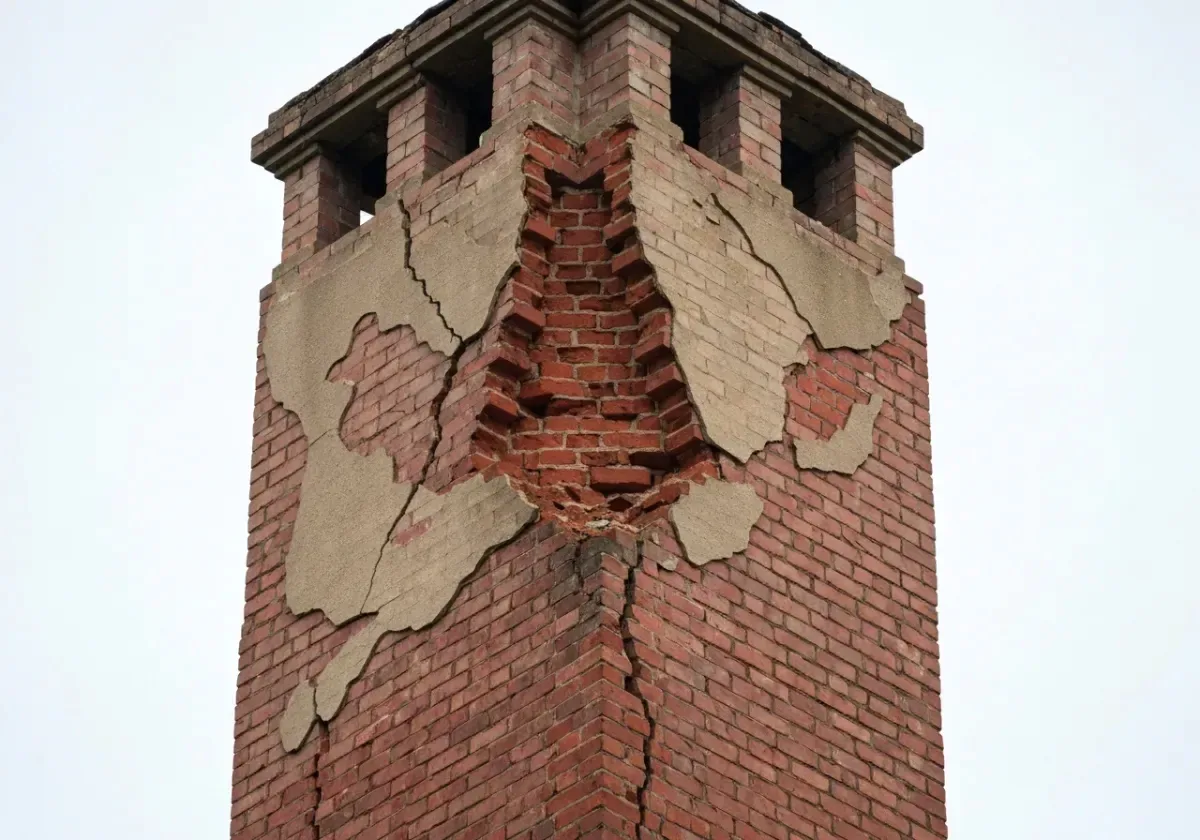
Illustrations of what each repair changes on a typical chimney — not photos of a specific job.
 Before
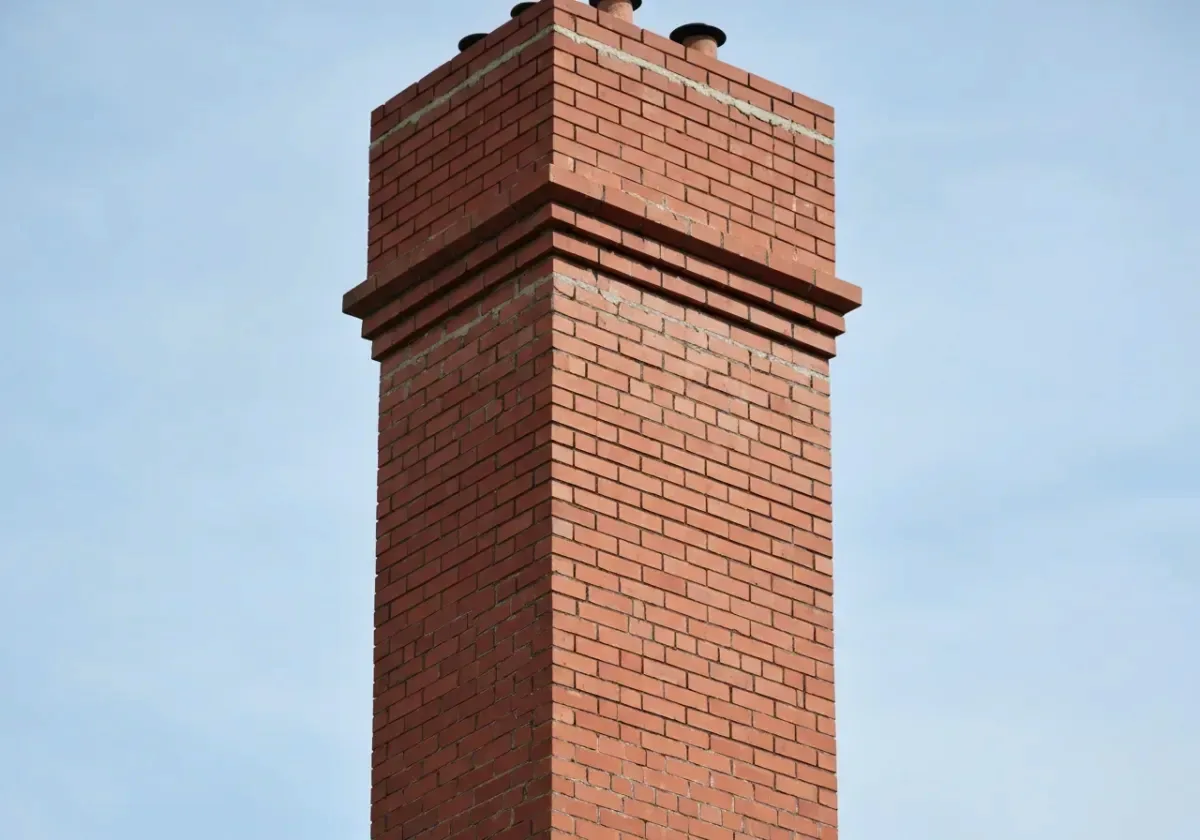 After
After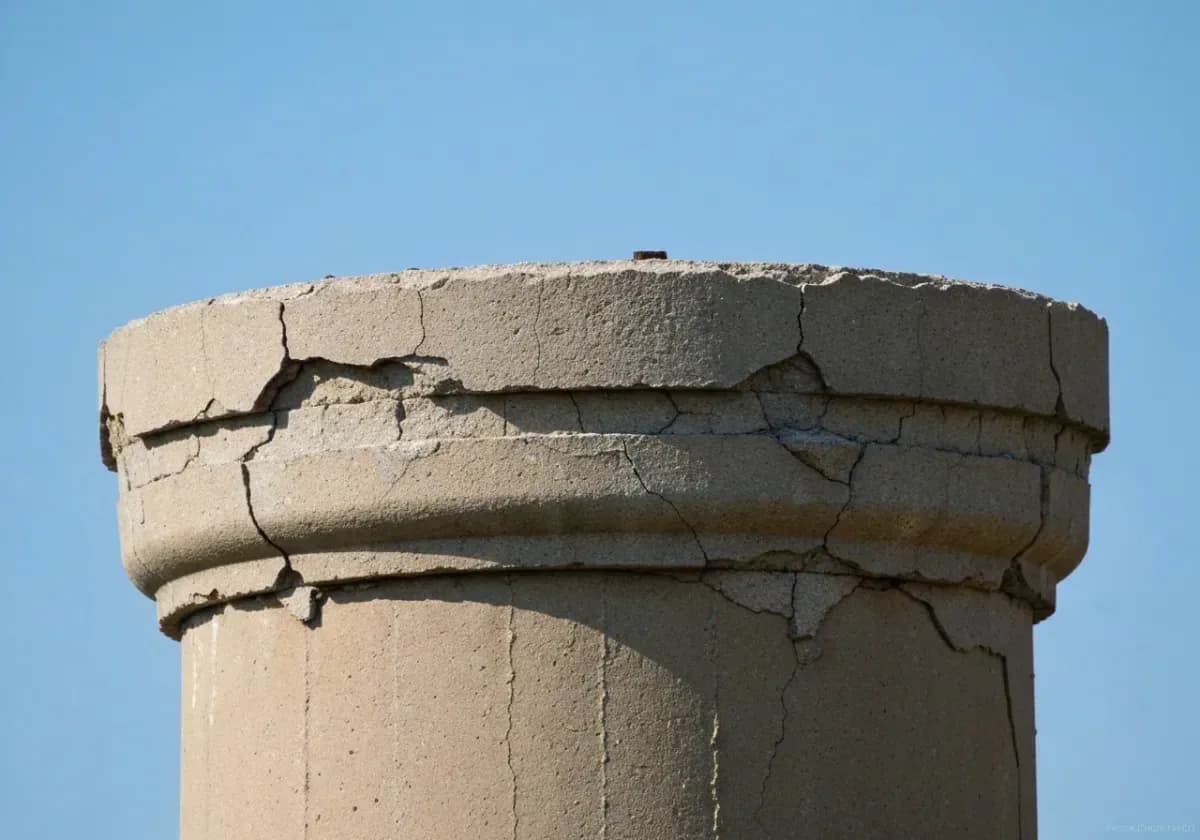 Before
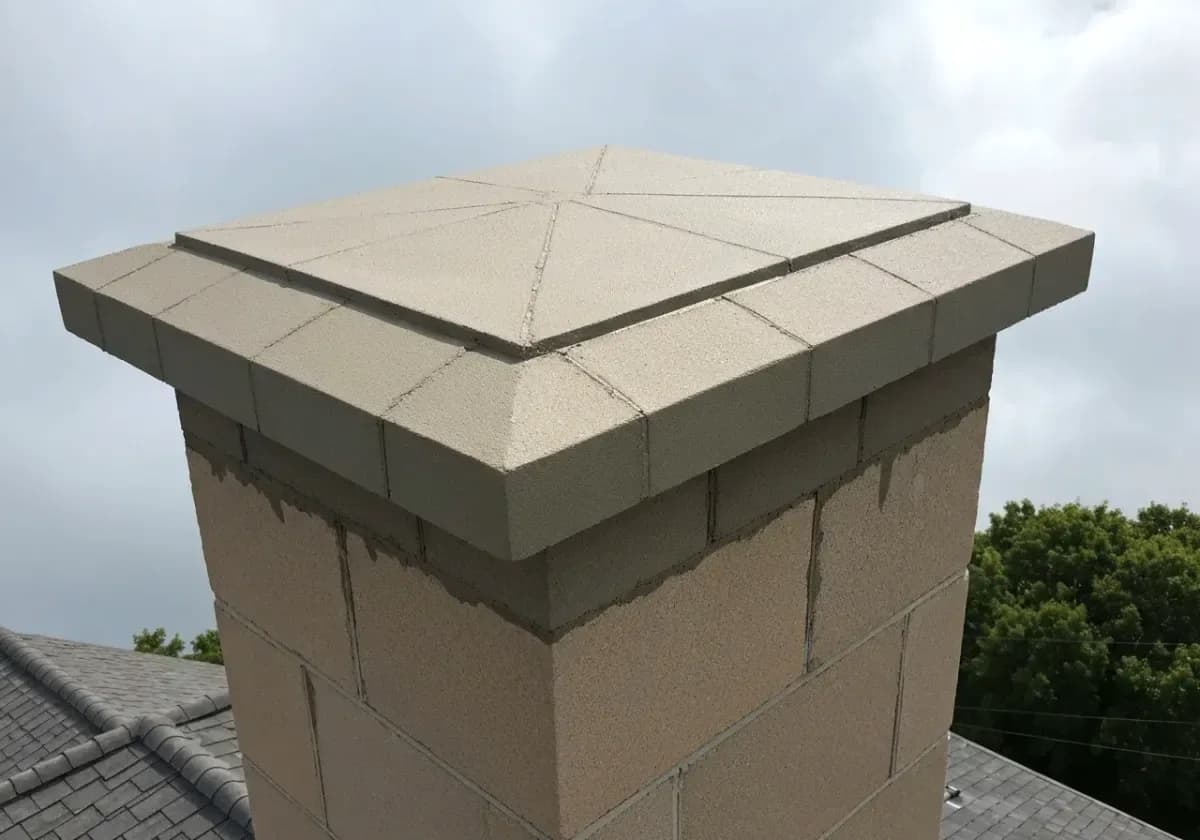 After
After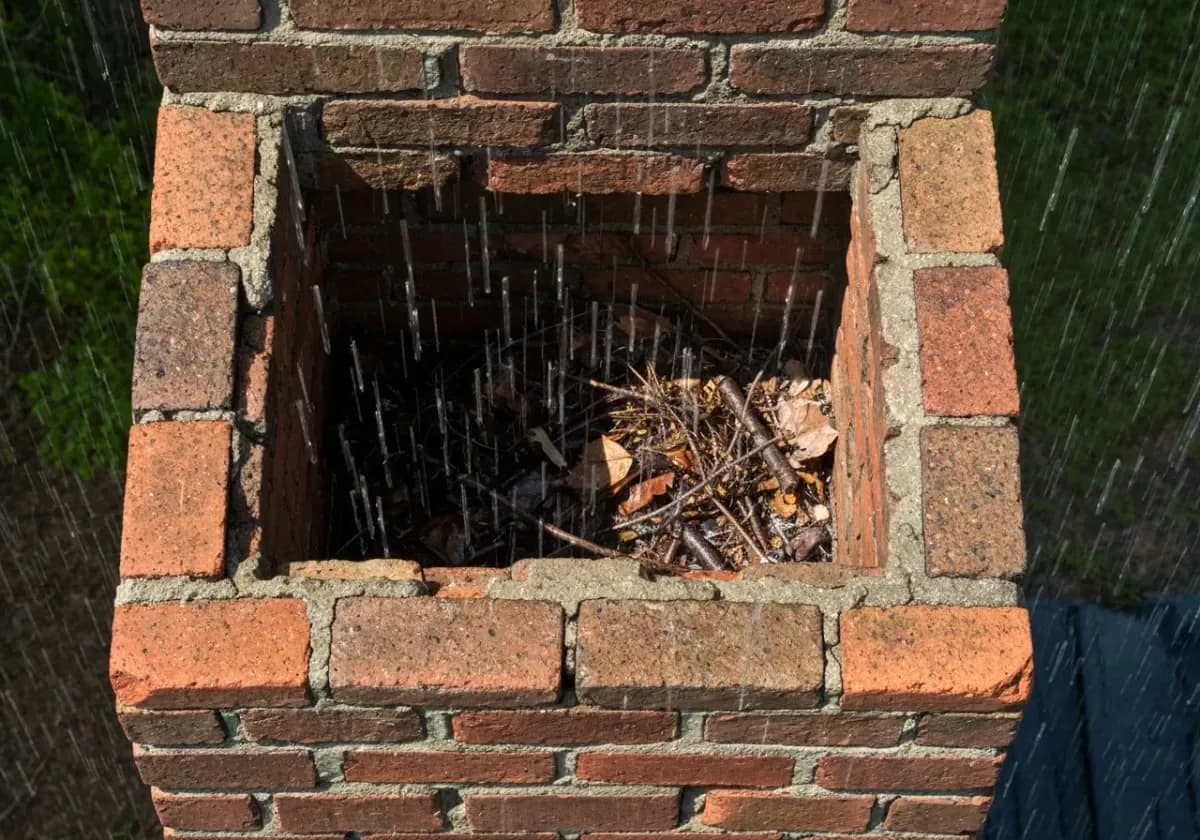 Before
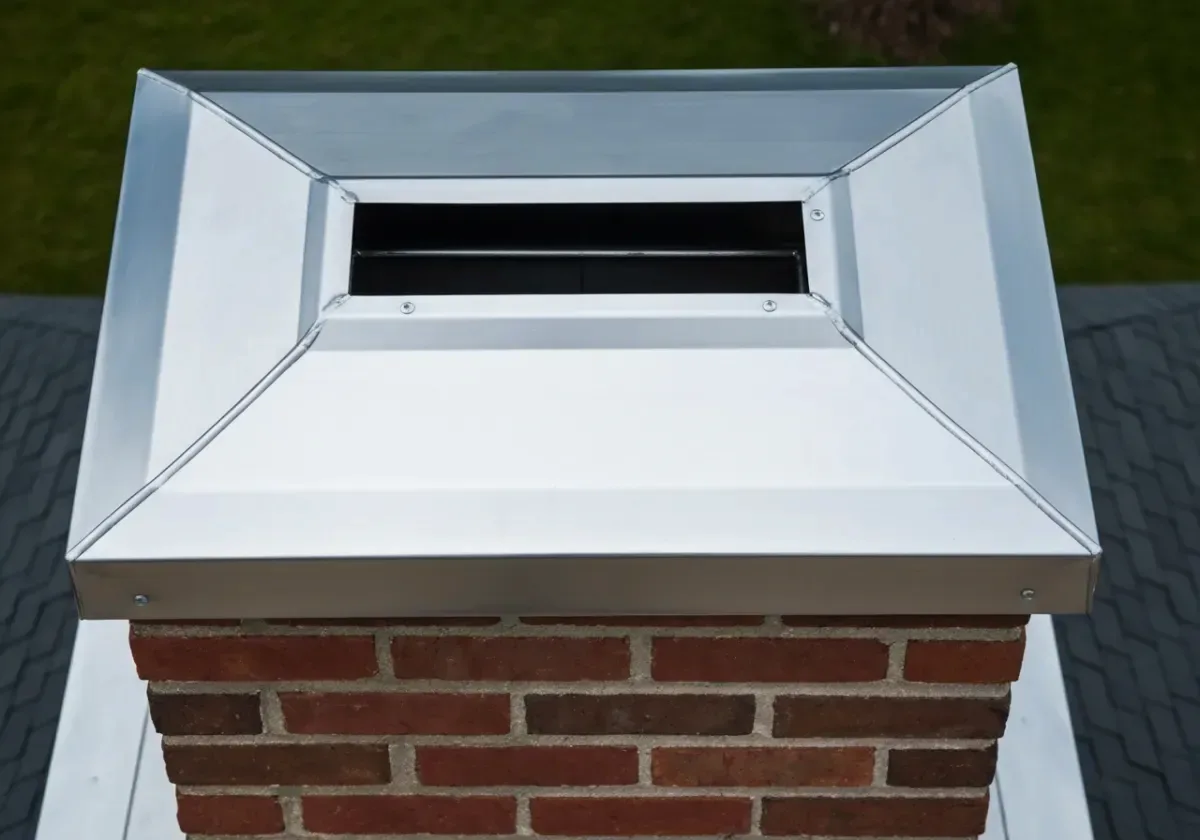 After
After
Four steps, each one on paper — so you always know what happens next.
Choose a genuine opening on the crew's calendar. Confirmation is immediate.
Liner, crown, cap, flashing and masonry examined in order — each finding photographed.
One document, plain numbers, covering only the work your chimney genuinely needs.
The repair is completed, then handed over with before-and-after photos of every item.
The on-site inspection is $99 plus tax, and it is credited toward the work when you approve the written quote. The report and the quote are yours either way.
No. Clyde Hill is a residential hill, not a waterfront town, so its chimneys contend with the region's rain and winter wind rather than weather off open water.
Some of it does. The city's mechanical permit covers gas appliances, fireplace inserts and log lighters, as well as fans and vents, and most are issued over the counter. Larger rebuilds follow the state building code, and we tell you in the quote which permits apply.
NFPA 211 calls for chimneys, fireplaces and vents to be inspected at least once a year. After an earthquake, a chimney fire or a change of appliance, CSIA recommends the more thorough Level 2.
Yes. We cover Clyde Hill together with Bellevue, Medina, Mercer Island and Issaquah, all in King County.
Choose a genuine opening on the crew's calendar. We inspect, quote in writing, and hand over a photo record of every repair.