Clyde Hill, King County
Creosote removal in Clyde Hill starts at $245, and the price follows the kind of deposit in the flue. Loose, sooty first-stage creosote comes off with a brush during an ordinary cleaning; crusty second-stage deposits need more work; hard, glazed third-stage creosote needs chemical treatment or rotary tools and is the heaviest job. We show you on camera which one you have before quoting.
Typical investment
From $245
Book an inspection
Book your $99 inspection
$99 plus tax, deducted when you approve the repair
Not sure where to start
Pick what you're seeing at your Clyde Hill home — we'll point you to the right fix.
What we do
The same crew, the same written quote — for Clyde Hill homes.
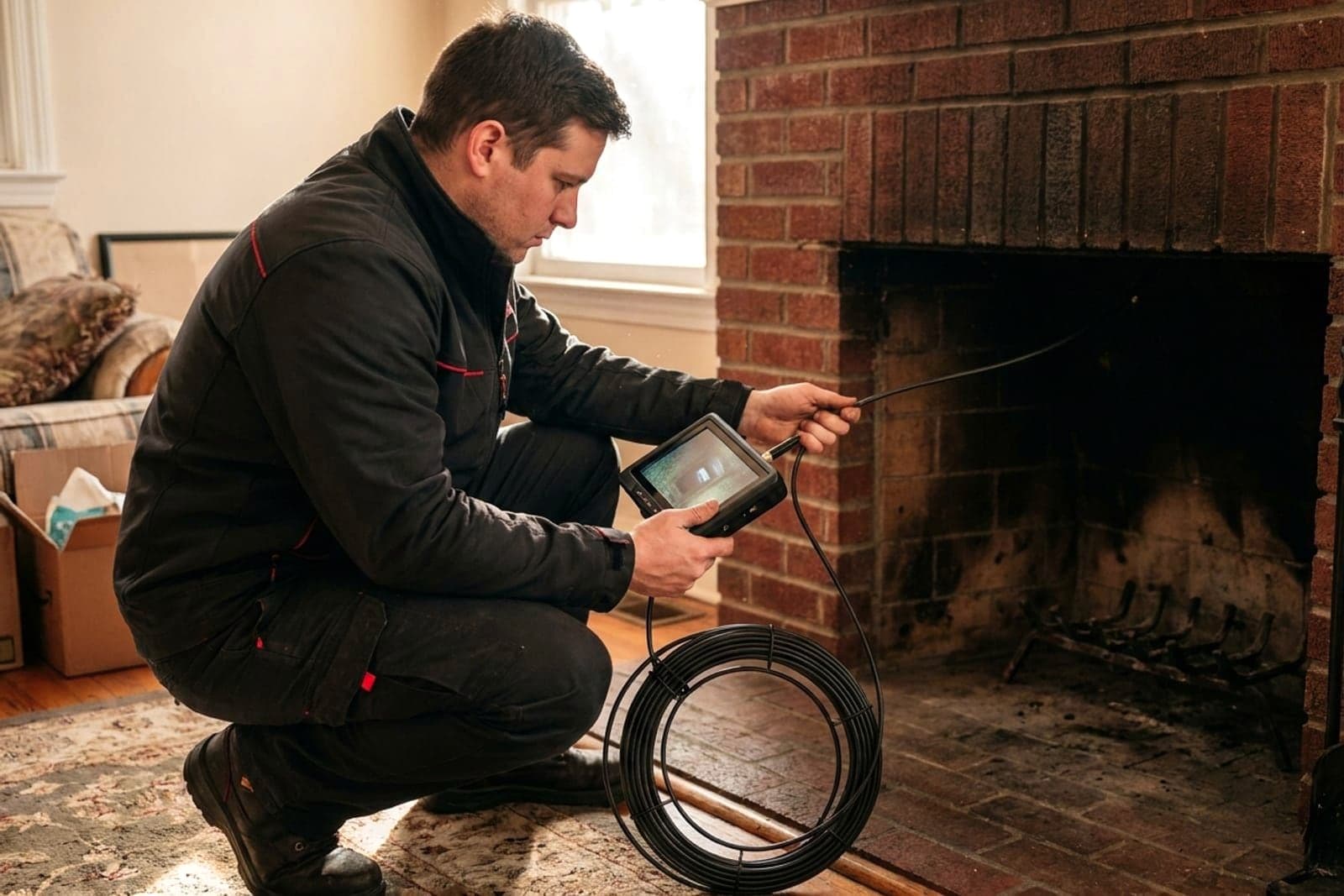
Level 1 or Level 2 inspection, with a camera scan where warranted
Learn more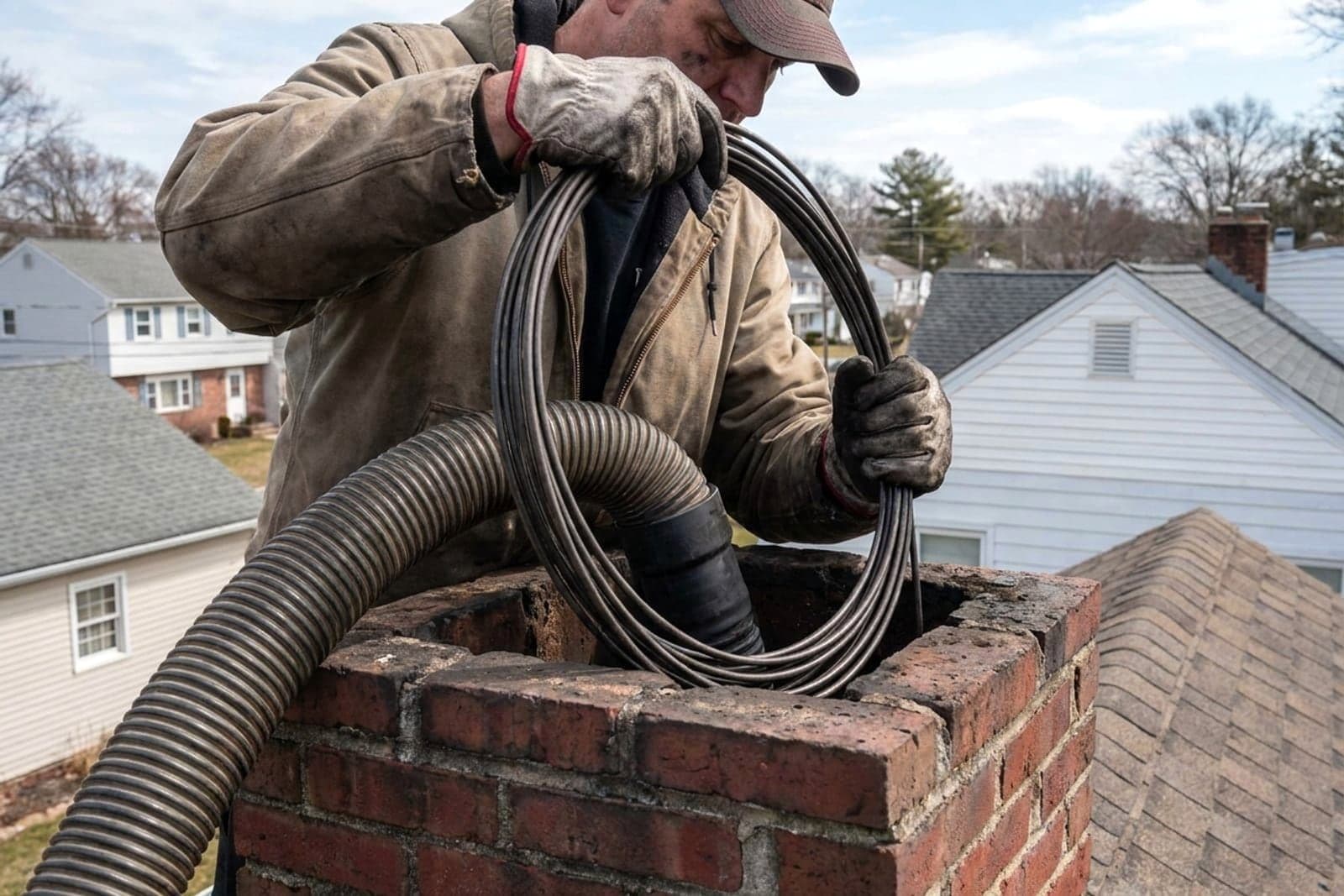
Complete sweep of the flue and firebox, protected by drop cloths and HEPA filtration
Learn more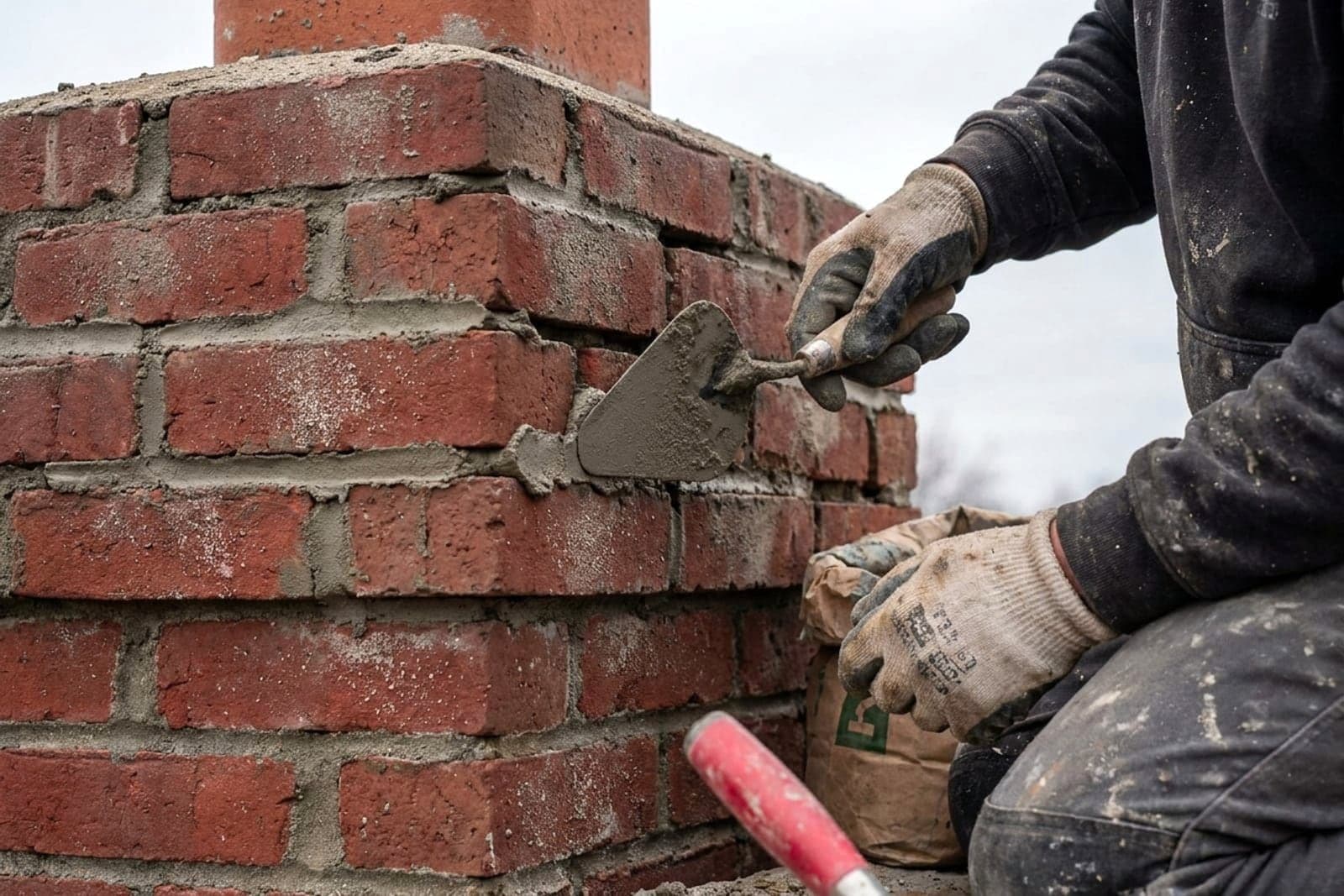
Restoration of brick, mortar joints and firebox
Learn more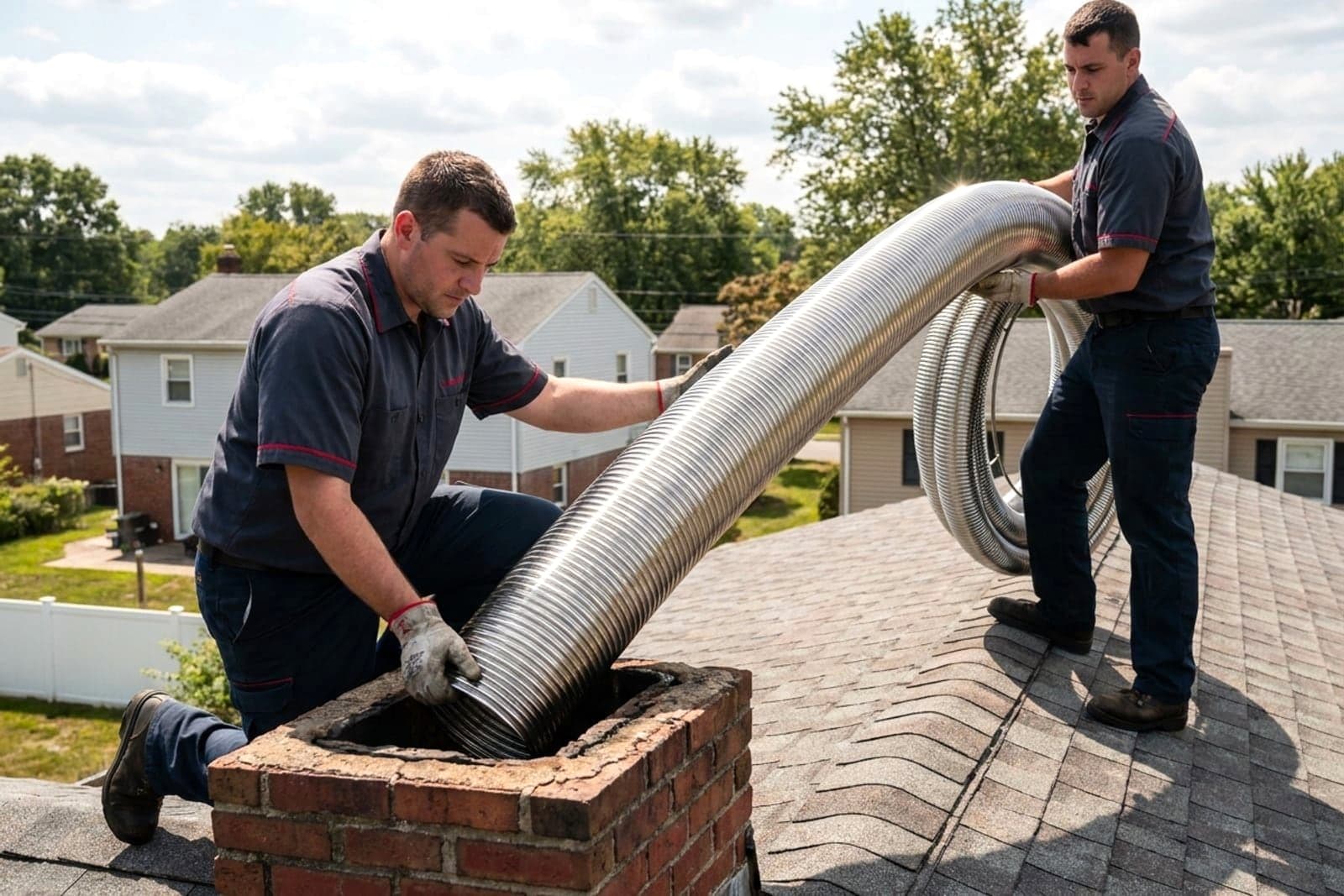
A stainless-steel or ceramic liner run the full height of the flue
Learn more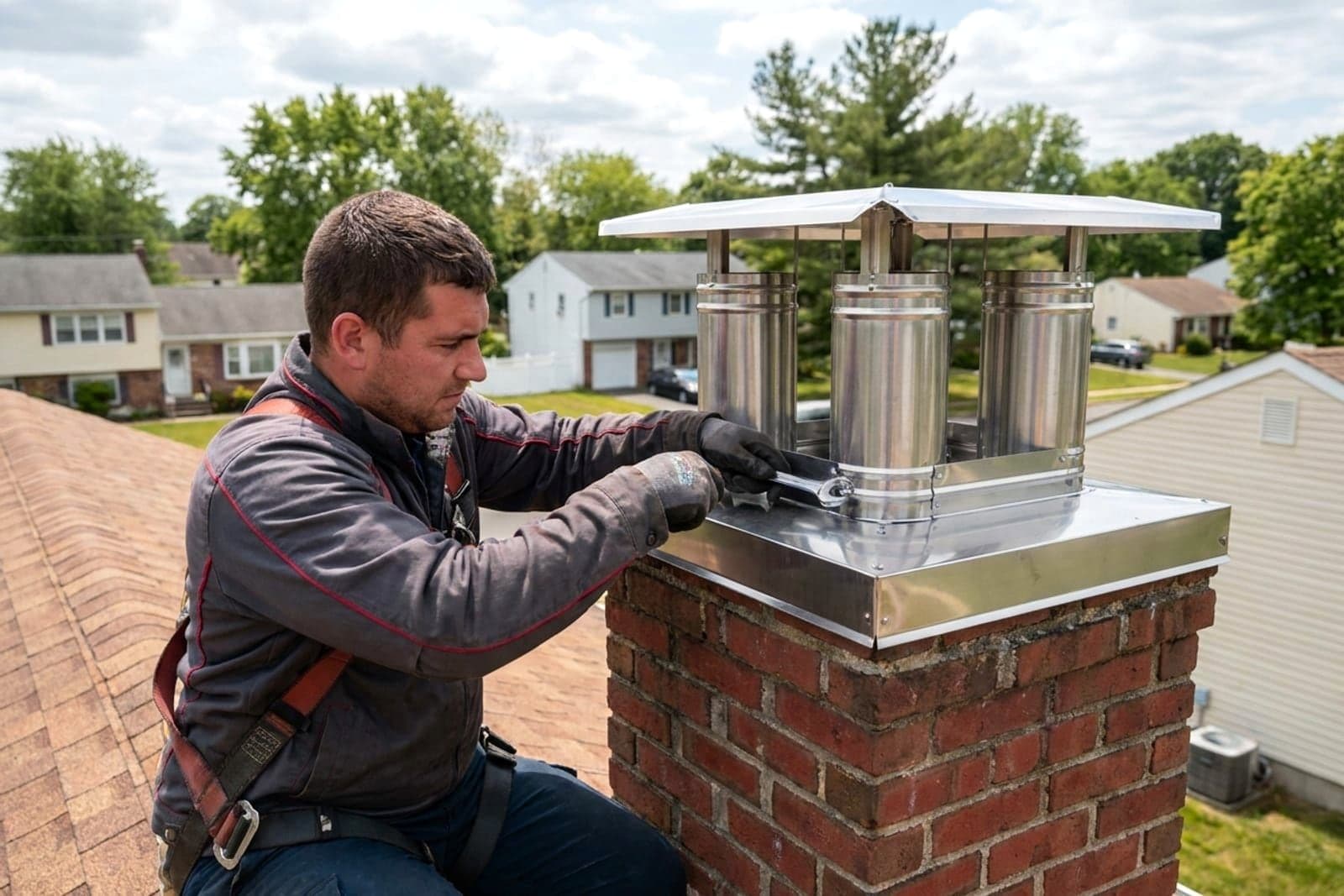
A stainless cap fitted to your flue's exact dimensions
Learn more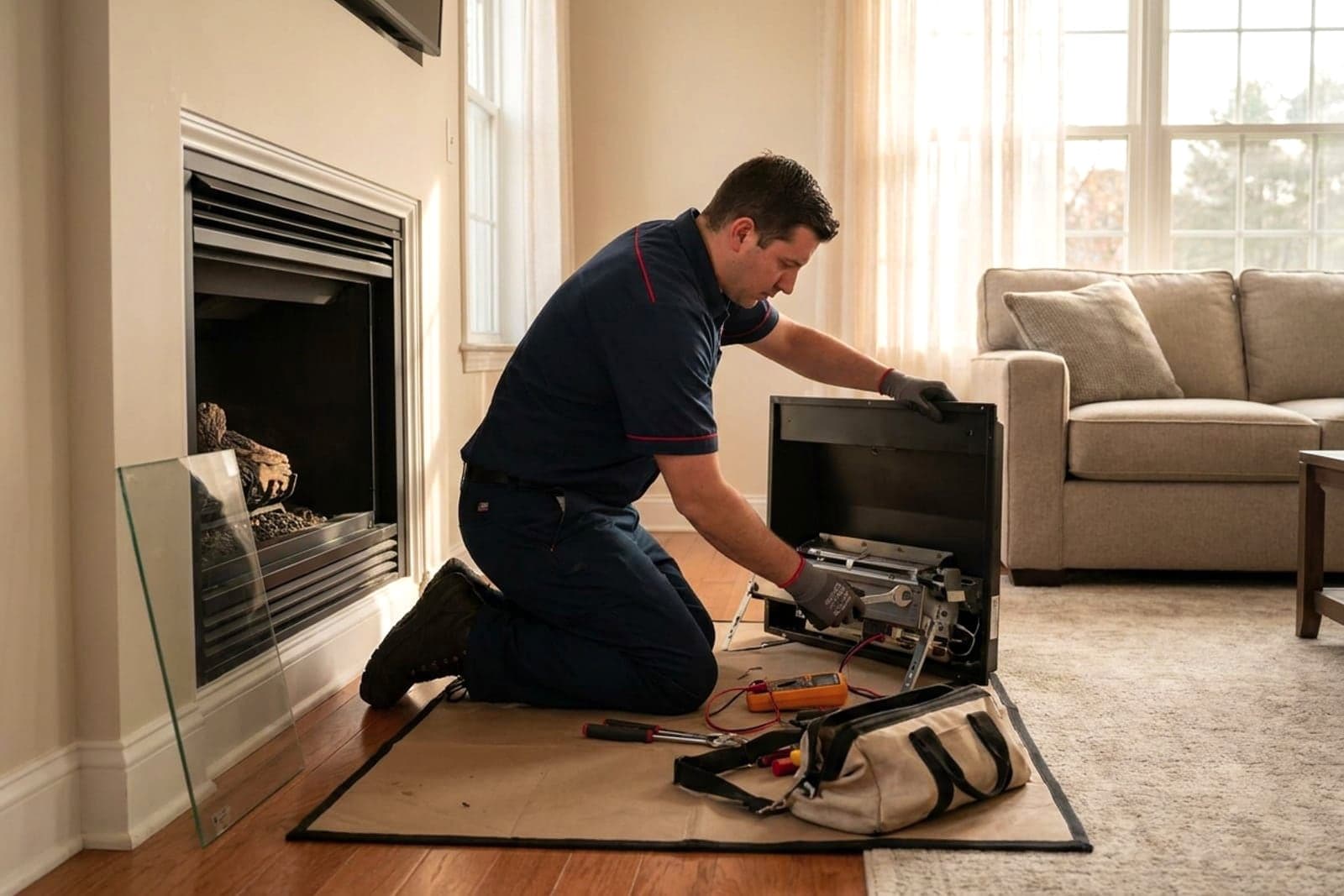
Cleaning of the burner, pilot and valve assembly
Learn moreRanges shown for orientation — the exact figure is written up on-site, after the inspection.
Clyde Hill is a small city of detached houses, 1,086 single-unit homes out of 1,098 by the state's count, and most chimneys here serve one family's fireplace or stove. How much creosote builds up depends on what happens in that one household: the wood that is burned, how hot the fires run, and whether the flue suits the appliance. That is why two neighboring houses on the hill can have completely different flues.
Suburban building on Clyde Hill dates from the early 1950s, and the town incorporated in 1953. A chimney from that period was built for the appliances of its day, and a fireplace may since have been given an insert or a stove the original flue was never designed around.
The residential code expects a masonry chimney's lining to be suited to the connected appliance, and CSIA advises a Level 2 inspection when the appliance changes or after a chimney fire. When heavy creosote turns up behind an insert, the liner is the first thing we check.
Every creosote removal we do in Clyde Hill includes:
Smoke coming back into the room, or a smell that won't go? Book the inspection first.
Book nowThe heavy deposits we find usually have a cause we can point to. Wood that was not dry enough, fires kept low and smoky for long evenings, or an insert venting into an oversized old flue where the smoke cools too fast and condenses on the walls. Removing the creosote without addressing the cause means doing it again next year, so the report always says what we think produced it.
A camera goes up the flue so we can see how thick the deposit is and whether it is sooty, crusty or glazed.
Brushing handles the lighter stages; glazed creosote may need a treatment left to work before it can be removed. The quote says which.
Deposits are broken up and cleared from the flue, smoke chamber and connector, with the room sealed off and a HEPA vacuum running.
We scan the flue again, show you the result and note what would slow the buildup next season.
What this work is quoted at for Clyde Hill homes — the exact figure comes from the $99 on-site inspection, credited toward the work.
| Service | Price in Clyde Hill | What that covers |
|---|---|---|
| Creosote Removal | From $245 | Priced by creosote stage — glazed stage 3 is the heavy end |
| Chimney Sweep | $189–$449 | Full flue swept, Level 1 inspection included |
| Chimney Inspection | $99 plus tax | Level 1 visual; Level 2 adds a full camera scan |
| Chimney Relining | From $1,895 | Full-length stainless liner, sized to the appliance |
| Chimney Repair | From $425 | Masonry repair — brick and mortar, scoped after diagnosis |
Ranges are what these jobs are quoted at in Clyde Hill. The exact figure is set on site after a $99 inspection (credited toward the job if you go ahead), and you approve it before any work starts.
Firewood stored outdoors on the hill sits in the same air as everything else in western Washington winters, where January humidity runs from roughly 87 percent at 4 a.m. to 78 percent at 4 p.m. Wood that has not been kept dry and covered burns cooler and smokier.
The Puget Sound Clean Air Agency allows only dry, seasoned wood or manufactured logs to be burned, and chimney smoke may not exceed 20 percent opacity for six minutes in a row in any one hour. Dry wood is the simplest way to stay within those rules.
Clyde Hill is a small, affluent residential city on the high ground just north of downtown Bellevue, with large single-family estate homes.
Clyde HillKing County, WA · 47.632, -122.218
Before and after
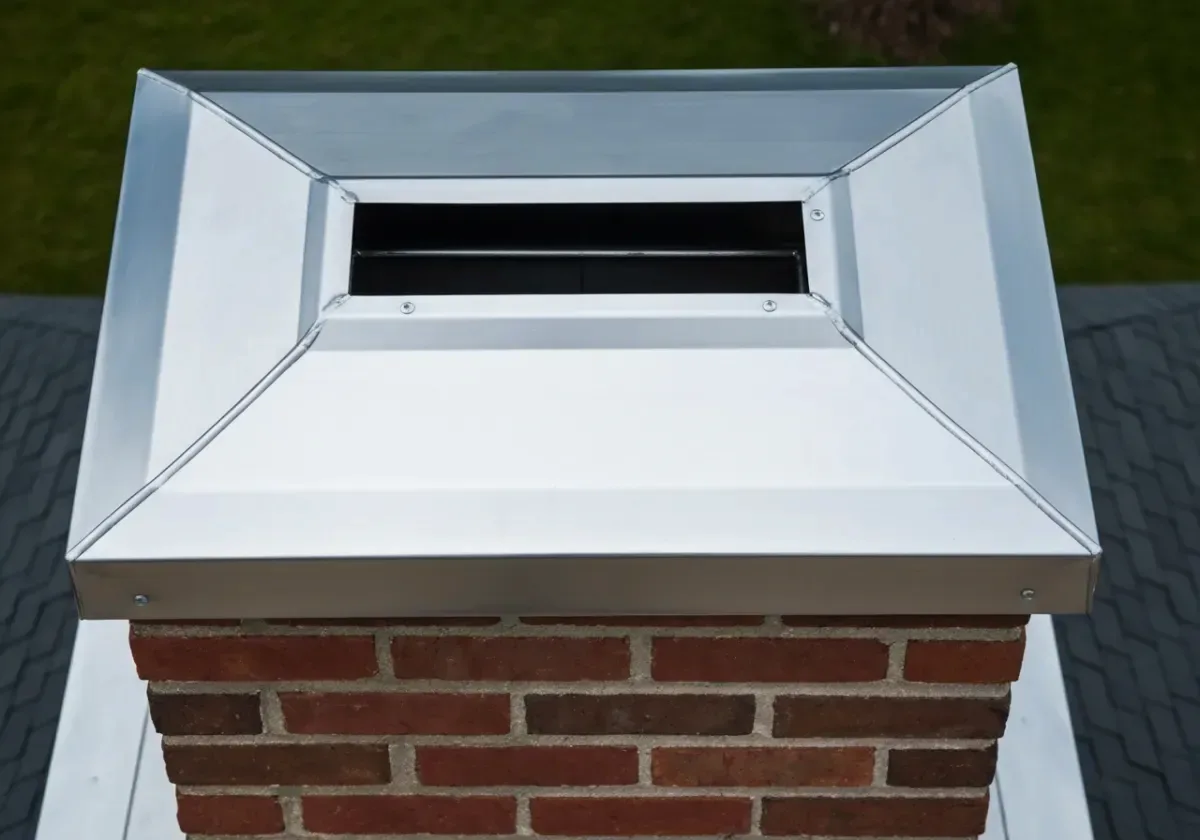
Illustrations of what each repair changes on a typical chimney — not photos of a specific job.
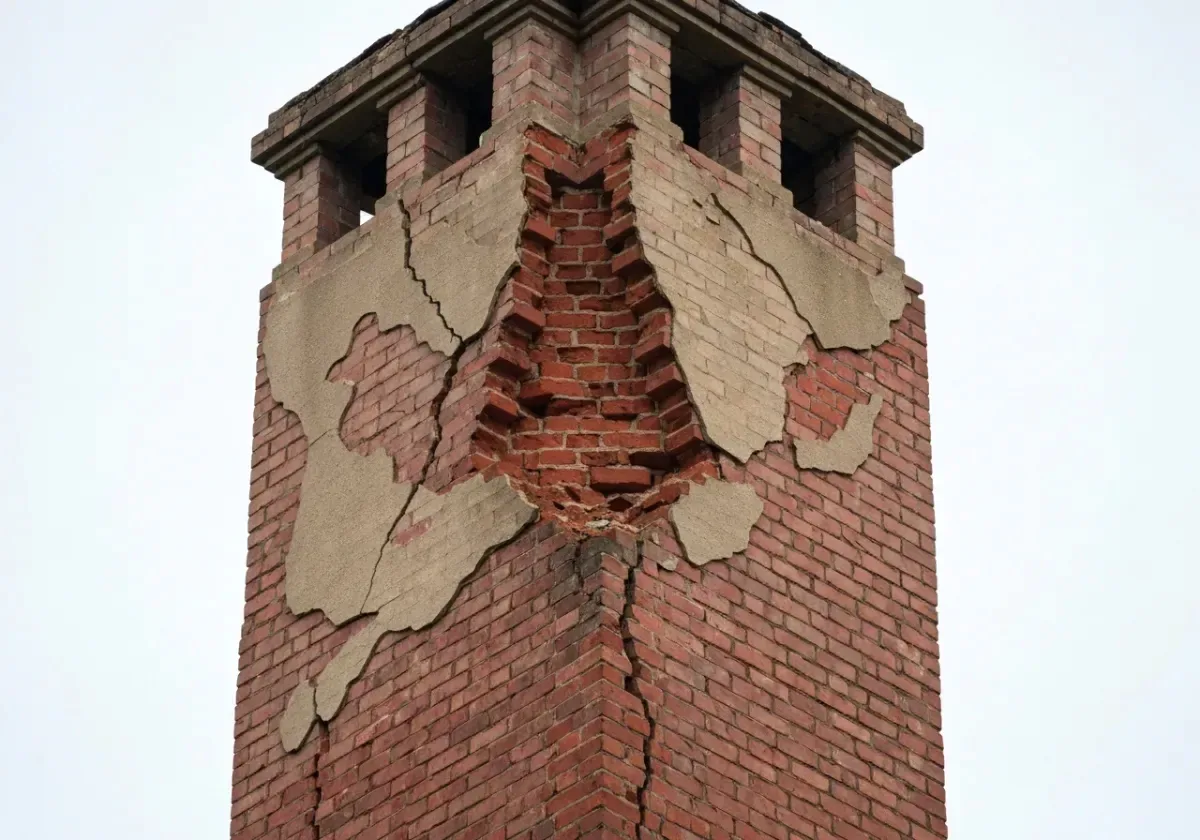 Before
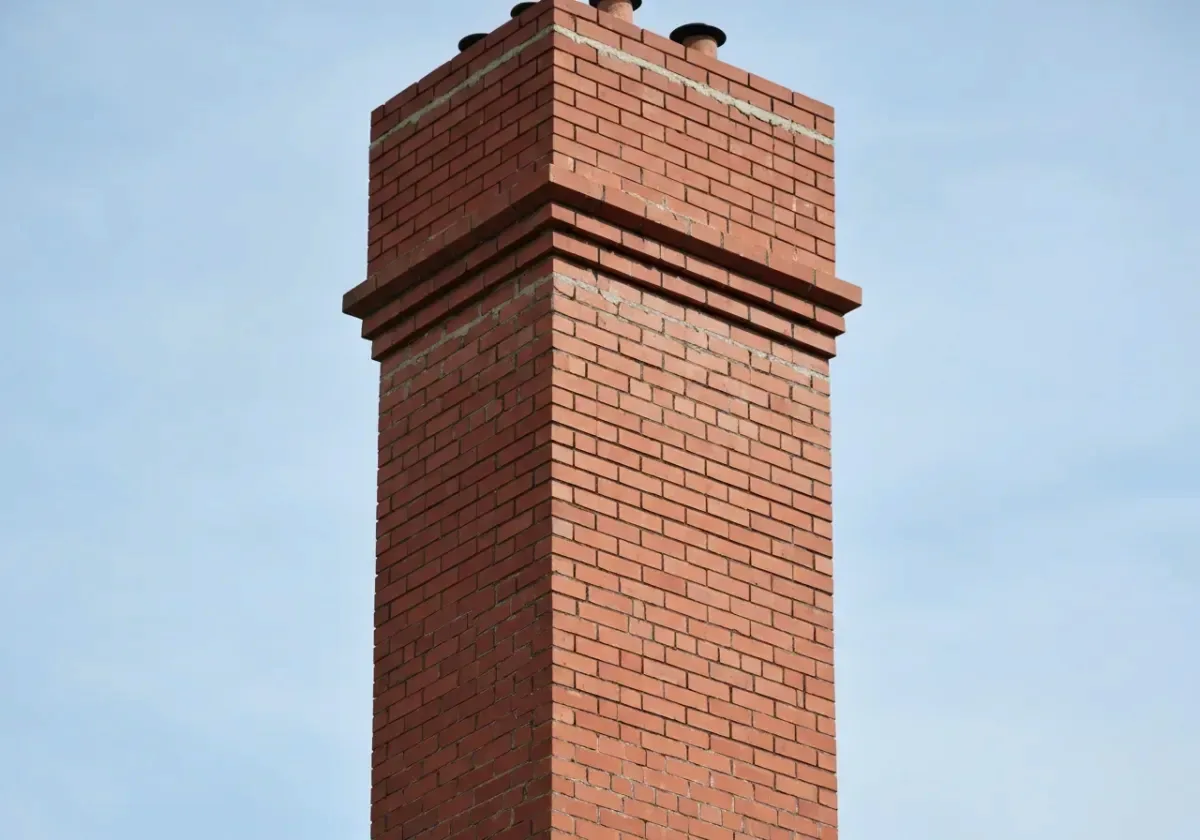 After
After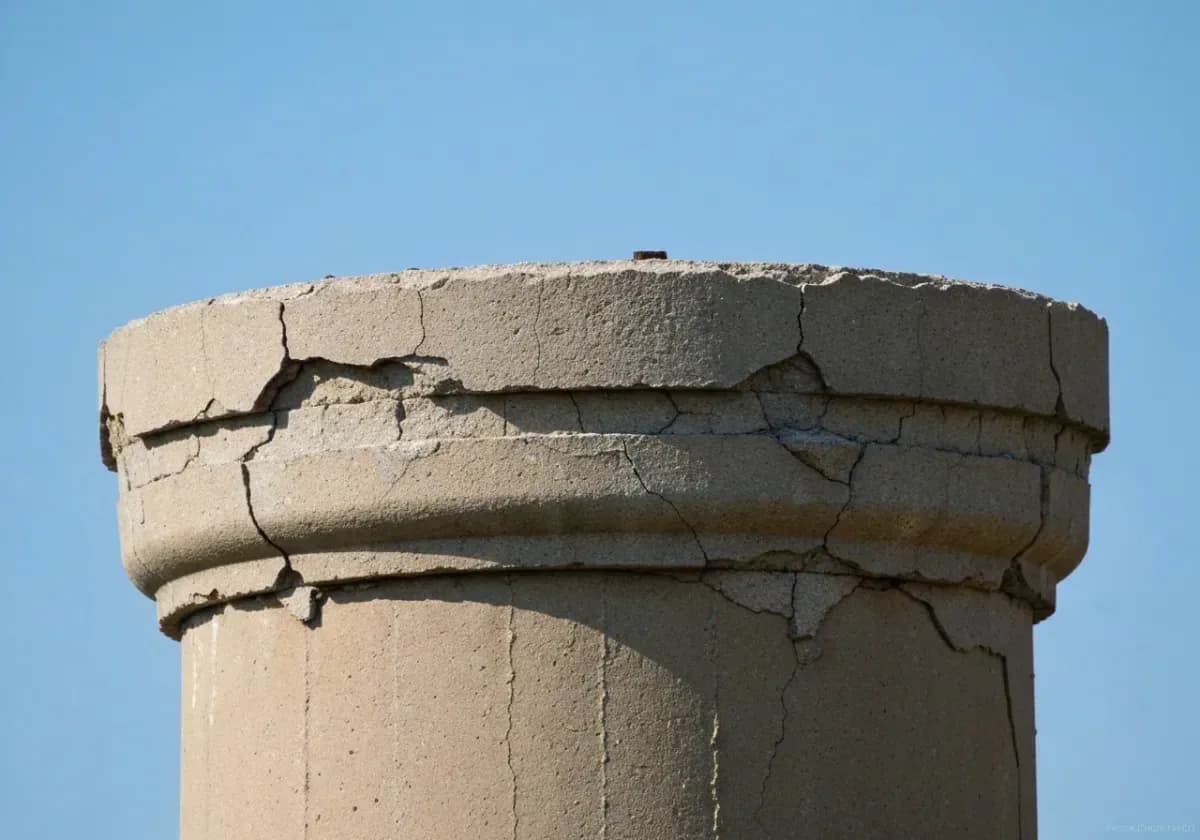 Before
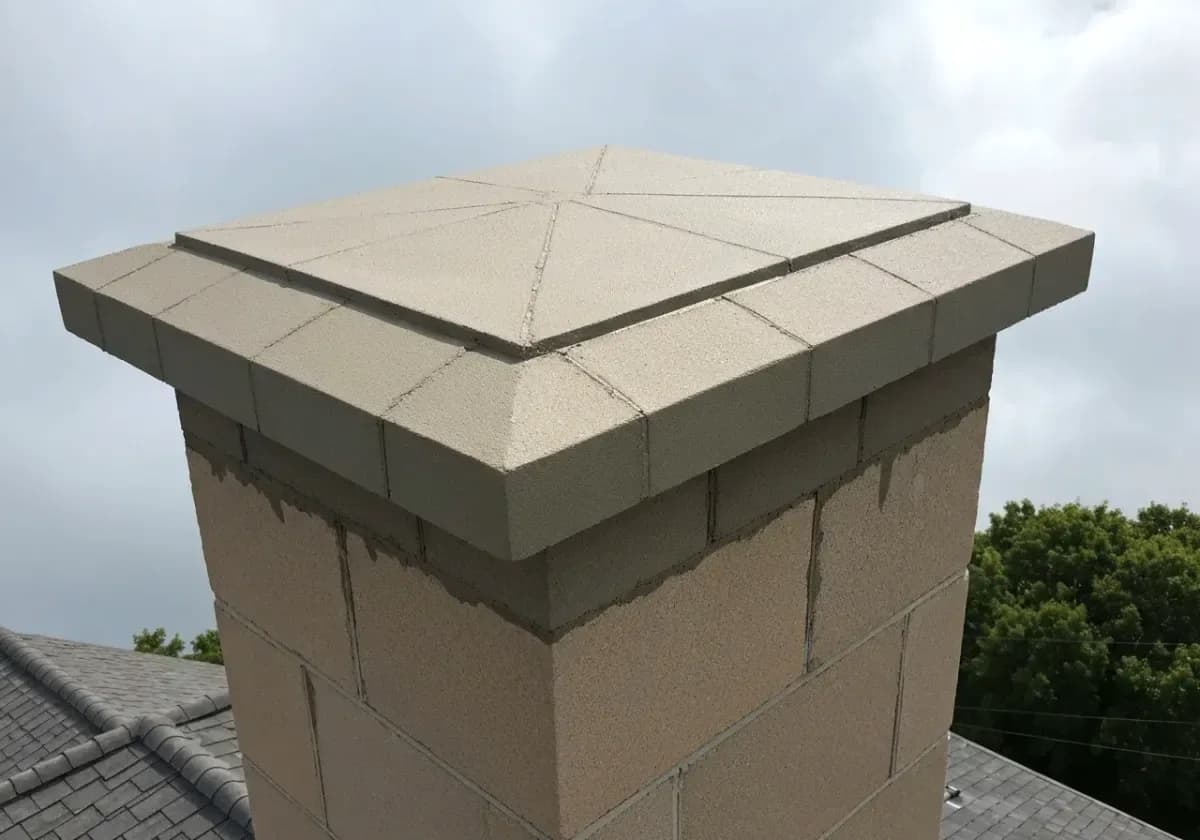 After
After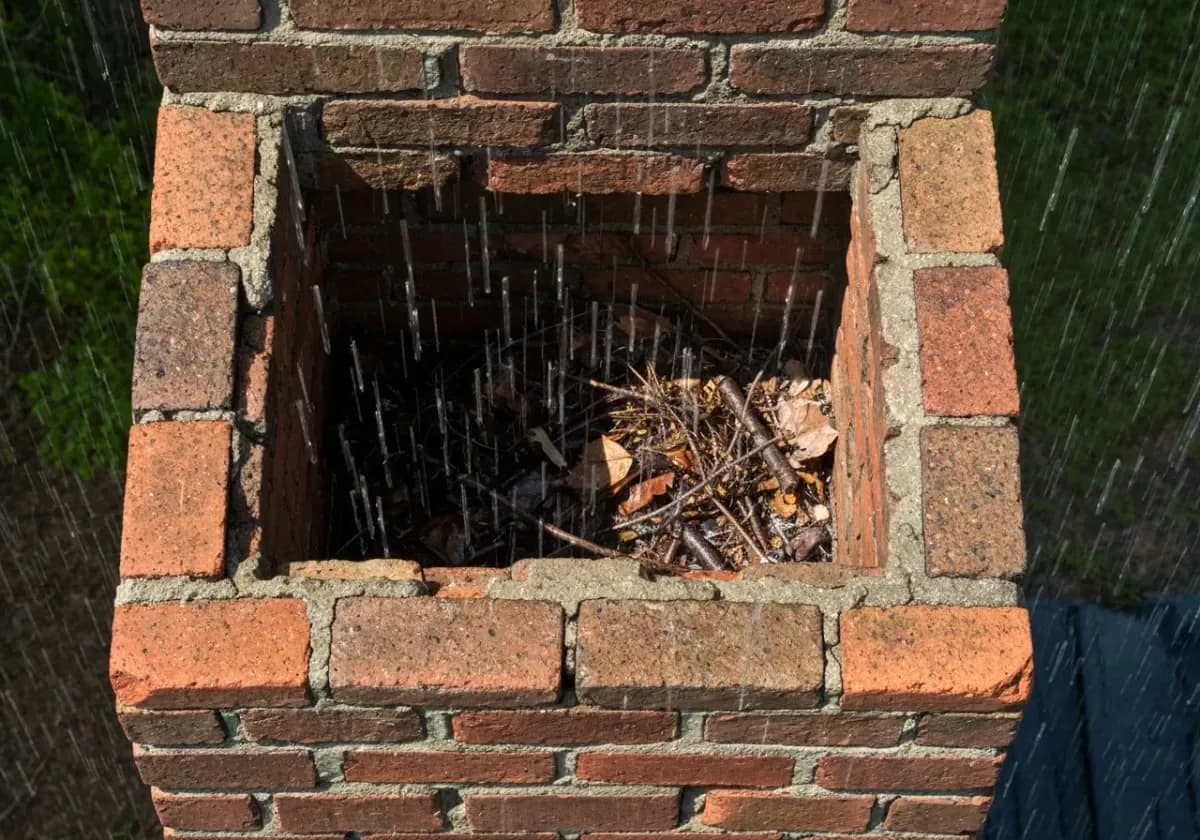 Before
 After
After
Four steps, each one on paper — so you always know what happens next.
Choose a genuine opening on the crew's calendar. Confirmation is immediate.
Liner, crown, cap, flashing and masonry examined in order — each finding photographed.
One document, plain numbers, covering only the work your chimney genuinely needs.
The repair is completed, then handed over with before-and-after photos of every item.
From $245. Light buildup is at the start of the range; glazed third-stage creosote, which takes treatment and more time, is priced higher, and you see the figure before we begin.
It is the most flammable form and the hardest to remove. If there has already been a chimney fire, CSIA recommends a Level 2 inspection, because the heat can crack tiles and mortar behind the deposit.
Only dry, seasoned wood or manufactured logs. That is also the rule under the Puget Sound Clean Air Agency's wood-burning regulations, and wet wood is one of the main causes of heavy creosote.
Not in an ordinary fireplace. In a Stage 1 ban, wood fireplaces and uncertified stoves and inserts must stay unlit; Stage 2 extends that to all wood and pellet devices, unless the device is the home's only adequate source of heat. The agency posts the status online and at 800-595-4341.
A $99 on-site inspection, a written quote before any work, and photos of every item we touch.