Mercer Island, King County
Creosote removal on Mercer Island starts at $245 and goes up with how far the deposits have progressed. Light, flaky buildup comes off with a standard sweep. Tar-like or glazed creosote bonded to the flue walls needs chemical treatment or rotary tools and more time, and we show you camera footage before and after.
Typical investment
From $245
Book an inspection
Book your $99 inspection
$99 plus tax, deducted when you approve the repair
Not sure where to start
Pick what you're seeing at your Mercer Island home — we'll point you to the right fix.
What we do
The same crew, the same written quote — for Mercer Island homes.
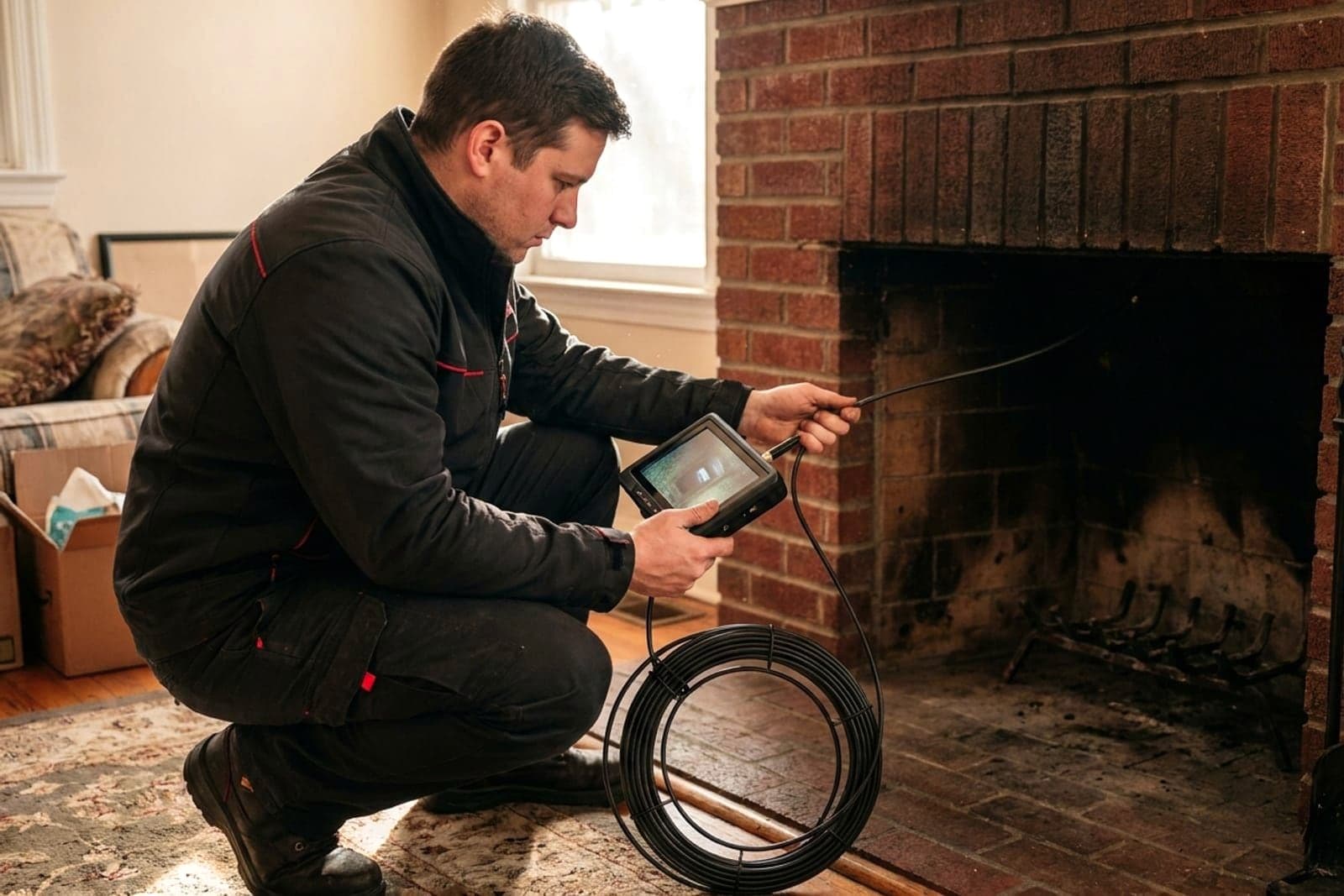
Level 1 or Level 2 inspection, with a camera scan where warranted
Learn more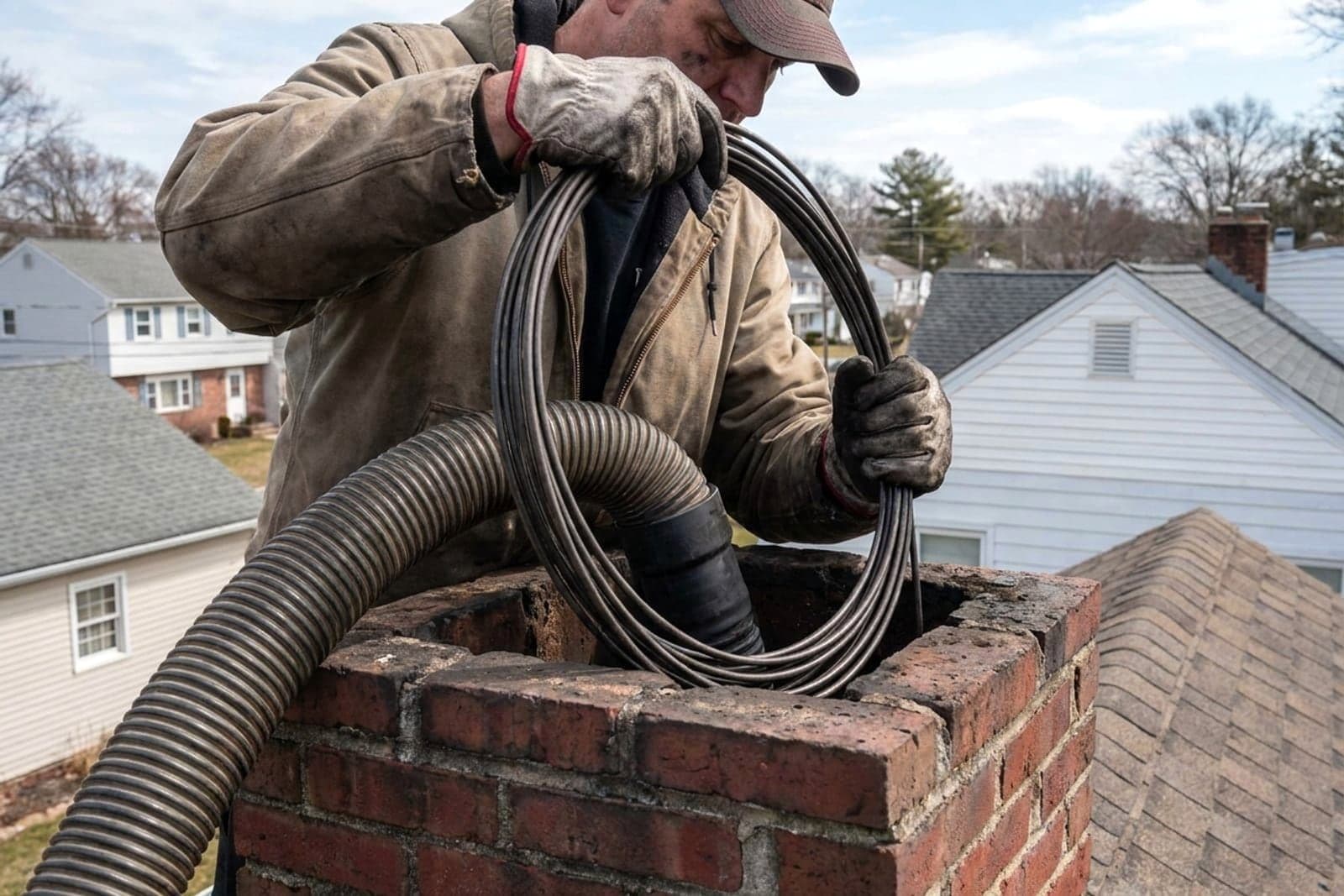
Complete sweep of the flue and firebox, protected by drop cloths and HEPA filtration
Learn more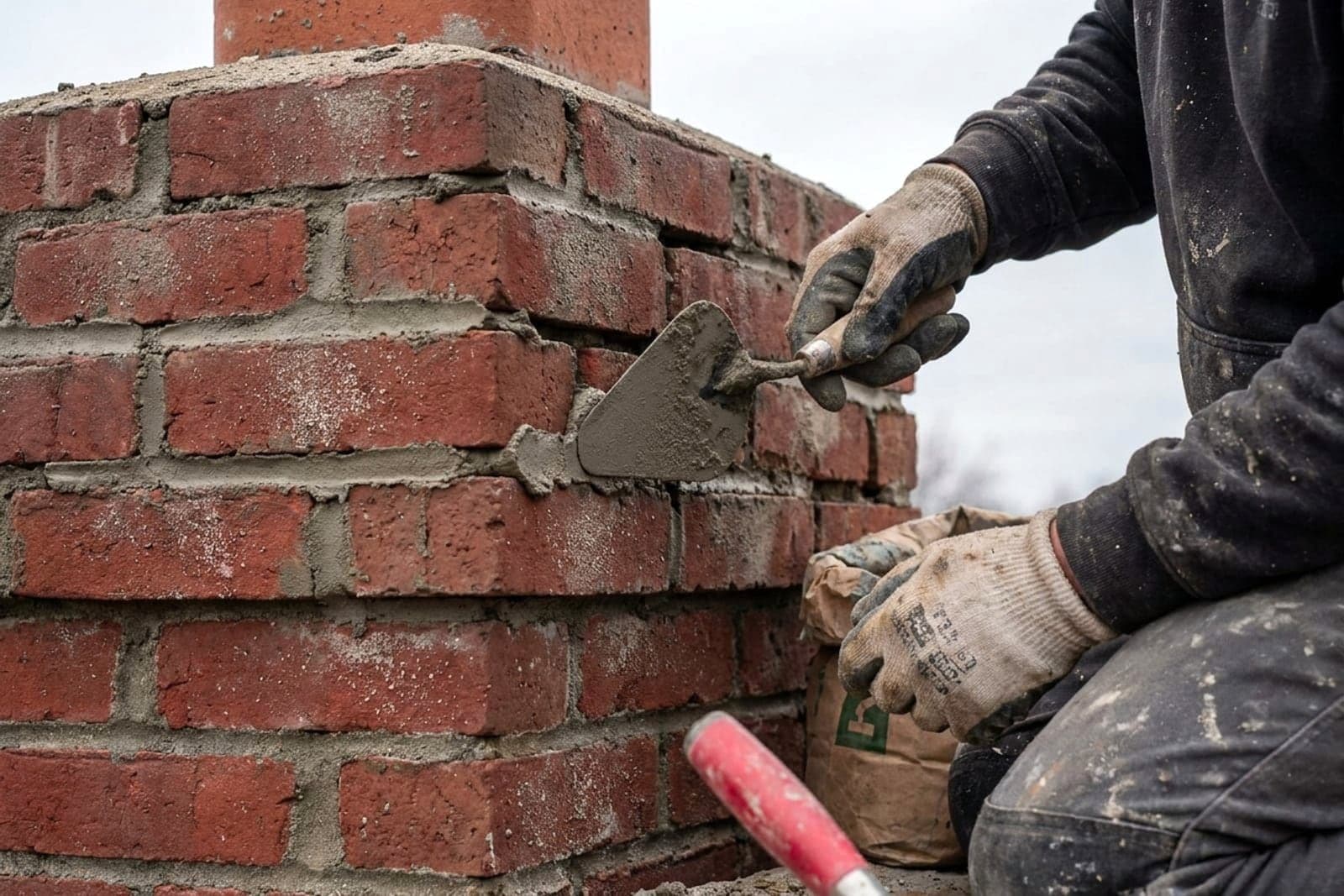
Restoration of brick, mortar joints and firebox
Learn more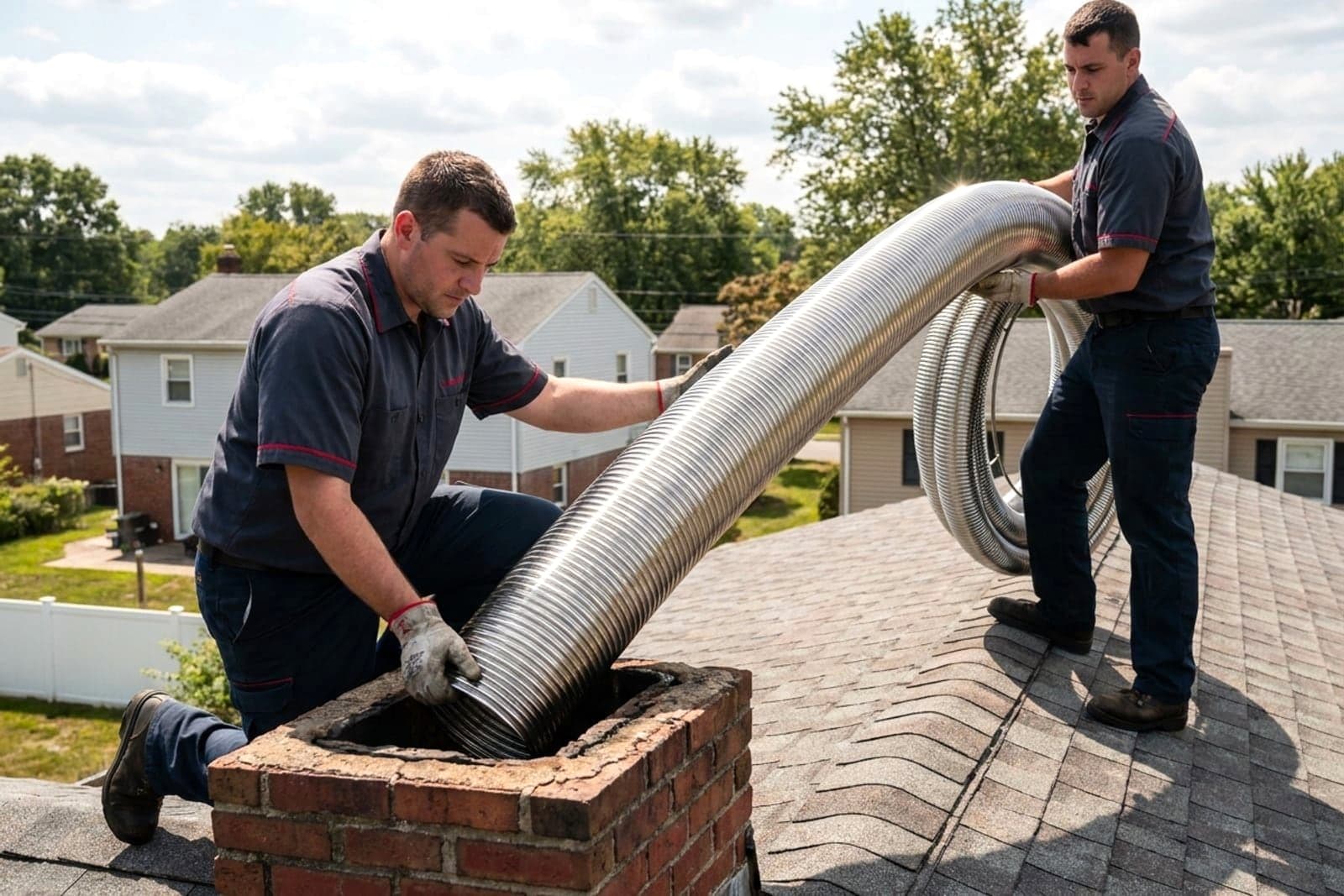
A stainless-steel or ceramic liner run the full height of the flue
Learn more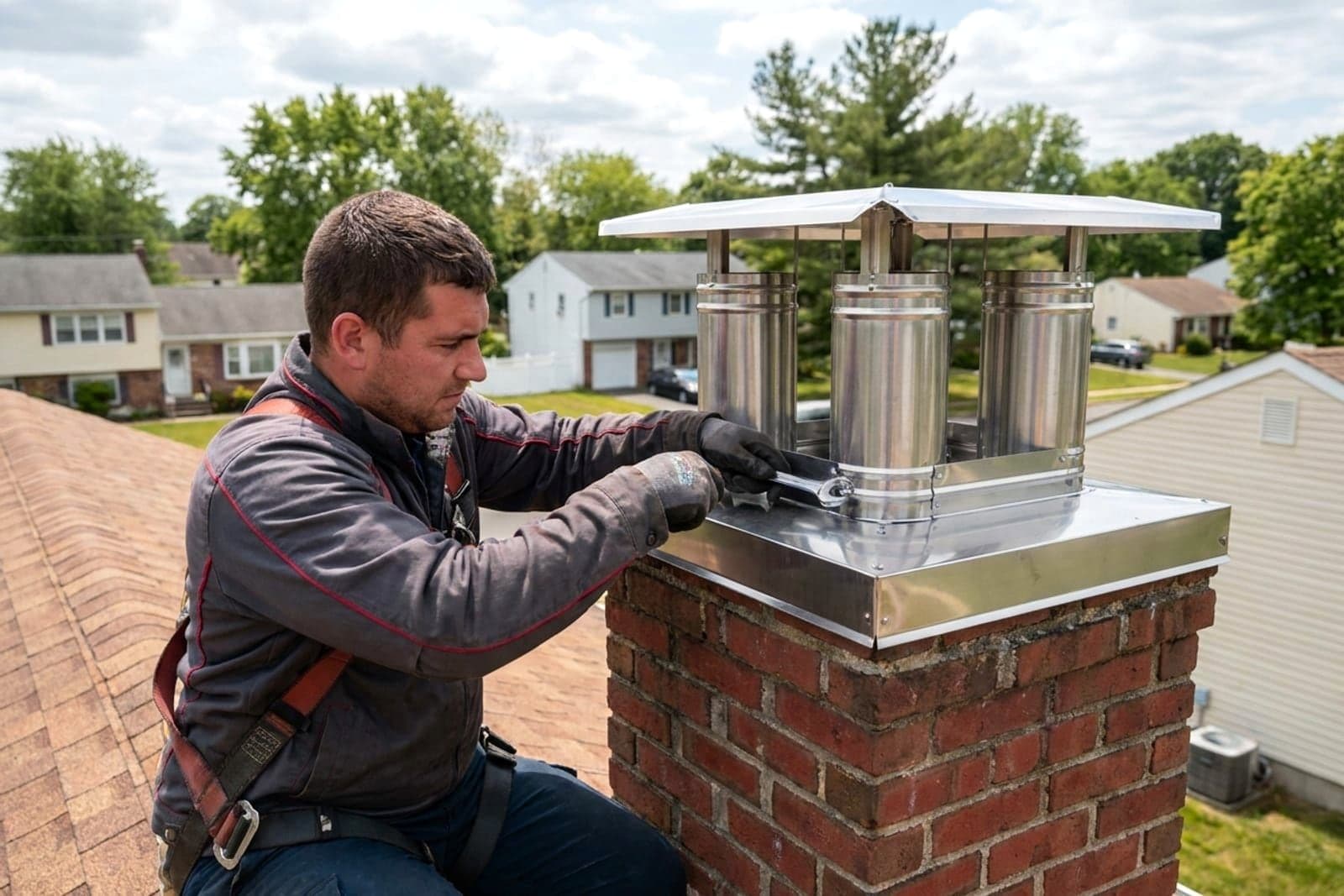
A stainless cap fitted to your flue's exact dimensions
Learn more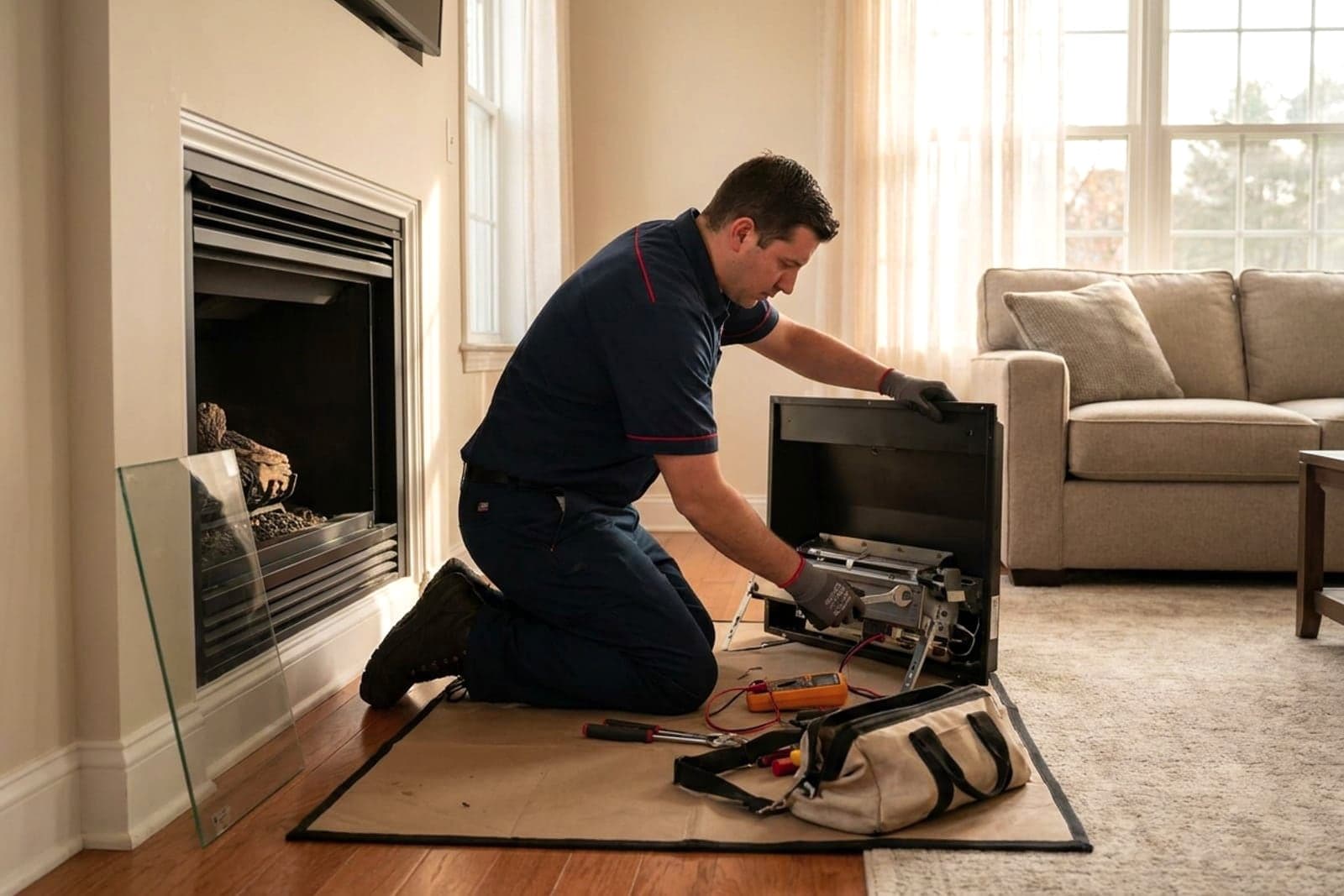
Cleaning of the burner, pilot and valve assembly
Learn moreRanges shown for orientation — the exact figure is written up on-site, after the inspection.
Puget Sound Clean Air Agency rules limit chimney smoke to 20 percent opacity for no more than six minutes in any hour, and allow only dry, seasoned wood or manufactured logs to be burned. Those rules exist for air quality, but they point at the same habits that keep creosote down: dry fuel, a hot fire and no long smoldering burns.
Lake Washington fully surrounds Mercer Island, and around half of the city's 12.90 square miles is water. King County's watershed page ranks the lake second in size among Washington's natural lakes.
WRCC notes that western Washington's strongest winds typically come in from the south and southwest from late fall through winter. A flue exposed to cold wind on an outside wall loses heat quickly, and smoke that cools inside it leaves creosote on the tile instead of leaving the chimney.
Moss grows through three seasons on damp, shaded roofs, WSU Extension reports, and OSU Extension says the best long-term control is trimming the trees that shade them. A chimney top under heavy canopy stays wet and tends to collect whatever the branches drop.
A partly blocked cap or a crown thick with growth slows the draft, and slow smoke deposits more creosote on its way out. Clearing the top is part of breaking that cycle, so we check it on every creosote job.
Every creosote removal we do in Mercer Island includes:
Smoke coming back into the room, or a smell that won't go? Book the inspection first.
Book nowThe heavy deposits we find on the island usually come from the same pattern: a fire damped down to last the evening, wood that was not quite dry, and a flue that cools on its way up. The smoke condenses on the tile before it leaves the chimney. After a few seasons of that, the buildup can go from powdery soot to a shiny glaze that a brush simply slides over.
The City of Mercer Island places the island within the Seattle fault zone, crossed by at least two of the fault's strands. After the 2001 Nisqually earthquake, a University of Washington and USGS team found the most concentrated chimney damage along that fault, in a survey area running from Bremerton to the island.
Thick creosote can hide cracks and gaps that shaking has opened in a liner, and a crack behind creosote is a path for heat toward the house framing. CSIA recommends a Level 2 inspection after a seismic event, and we treat the post-removal camera pass as part of that check.
We run a camera up the flue and grade what we see, from loose soot to hard glaze, so you know which method is needed before any work starts.
Glazed deposits are treated or cut back with rotary tools sized to the flue. Softer buildup comes off with brushes and vacuum.
Everything that comes loose is vacuumed from the smoke shelf and firebox, and the whole flue gets a final sweep.
With the deposits gone, the camera goes back up. A liner hidden under creosote can be cracked, and this is the first chance to see it.
Western Washington's rainy season sets in during October and reaches its height in winter; the climate center records rain on 20 or more days in a typical December or January, with humidity that stays high all day.
Firewood stored in that weather rarely dries as much as it should, and wet wood burns cool and smoky. CSIA's point that water is a masonry chimney's worst enemy applies twice here: rain getting in from the top, and moisture in the fuel feeding creosote from below.
What this work is quoted at for Mercer Island homes — the exact figure comes from the $99 on-site inspection, credited toward the work.
| Service | Price in Mercer Island | What that covers |
|---|---|---|
| Creosote Removal | From $245 | Priced by creosote stage — glazed stage 3 is the heavy end |
| Chimney Sweep | $189–$449 | Full flue swept, Level 1 inspection included |
| Chimney Inspection | $99 plus tax | Level 1 visual; Level 2 adds a full camera scan |
| Chimney Relining | From $1,895 | Full-length stainless liner, sized to the appliance |
| Chimney Repair | From $425 | Masonry repair — brick and mortar, scoped after diagnosis |
Ranges are what these jobs are quoted at in Mercer Island. The exact figure is set on site after a $99 inspection (credited toward the job if you go ahead), and you approve it before any work starts.
Mercer Island is an island city in the middle of Lake Washington, on Lake Washington, with mid-century and high-value waterfront homes.
Mercer IslandKing County, WA · 47.571, -122.222
Before and after
Illustrations of what each repair changes on a typical chimney — not photos of a specific job.
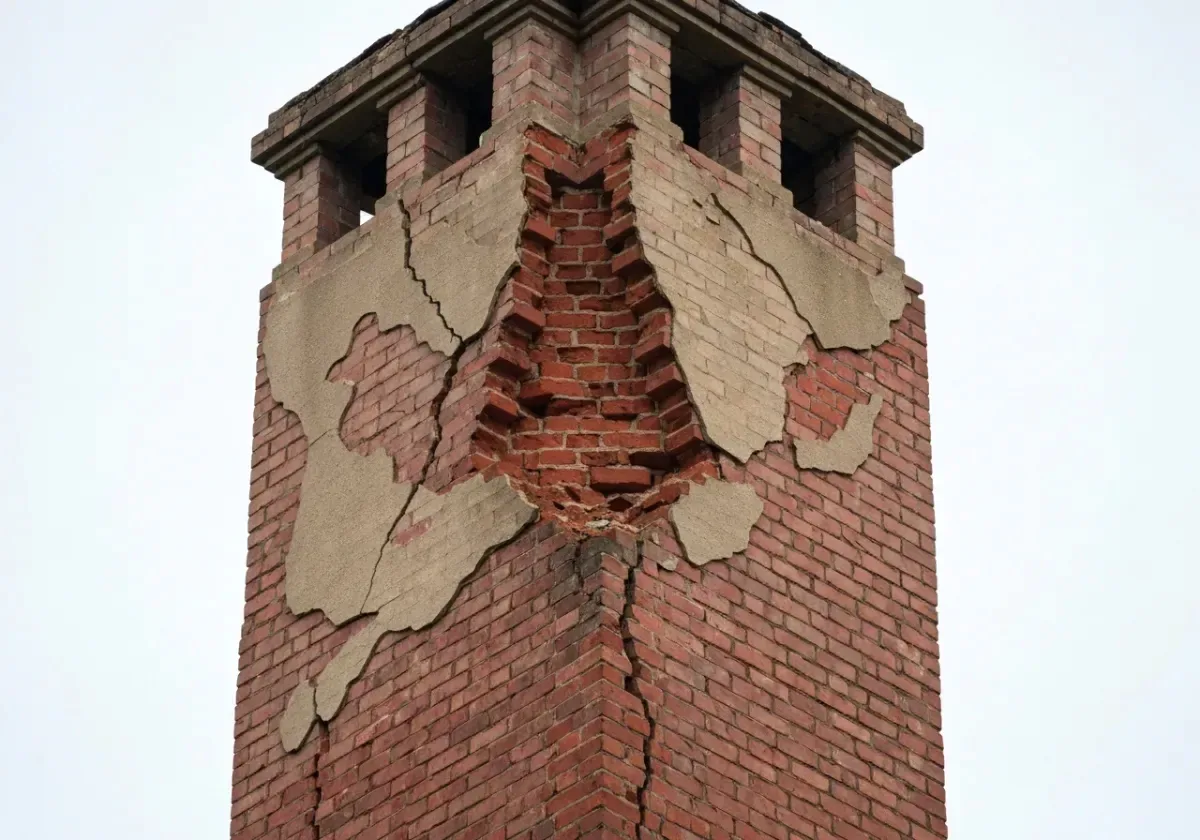 Before
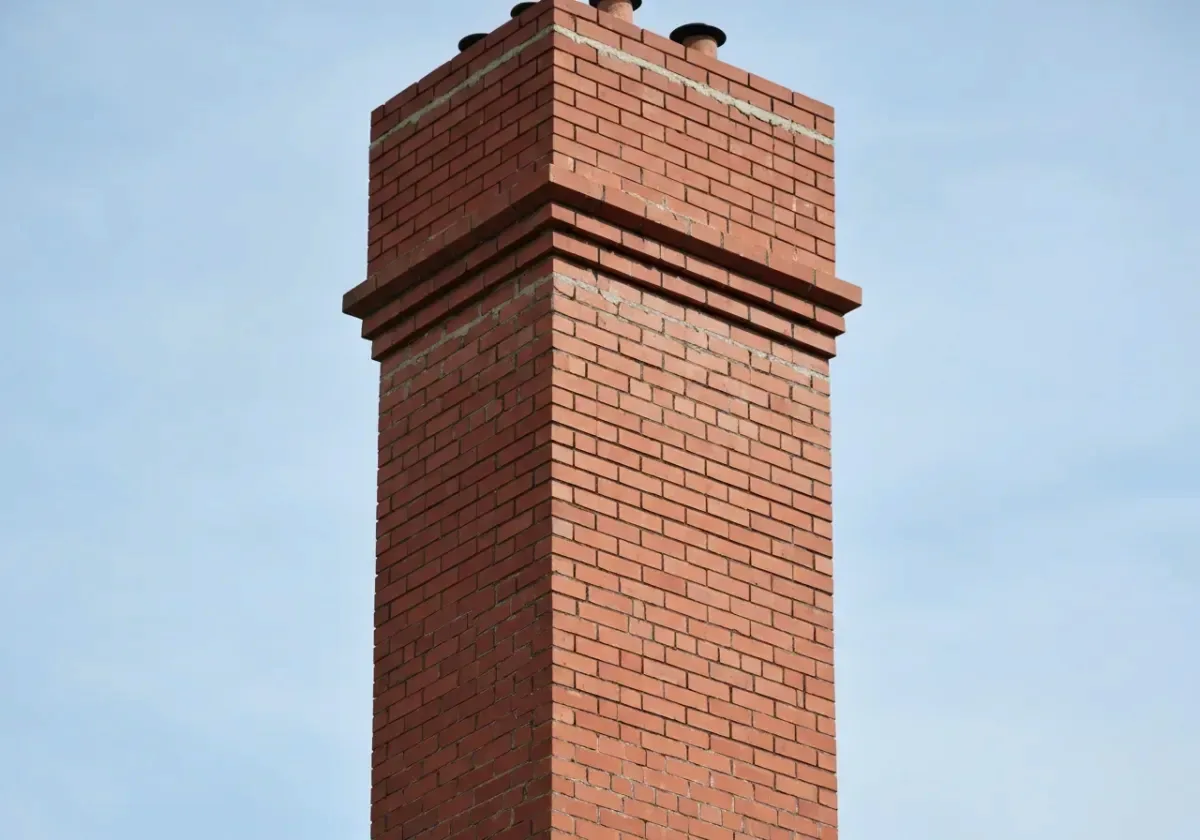 After
After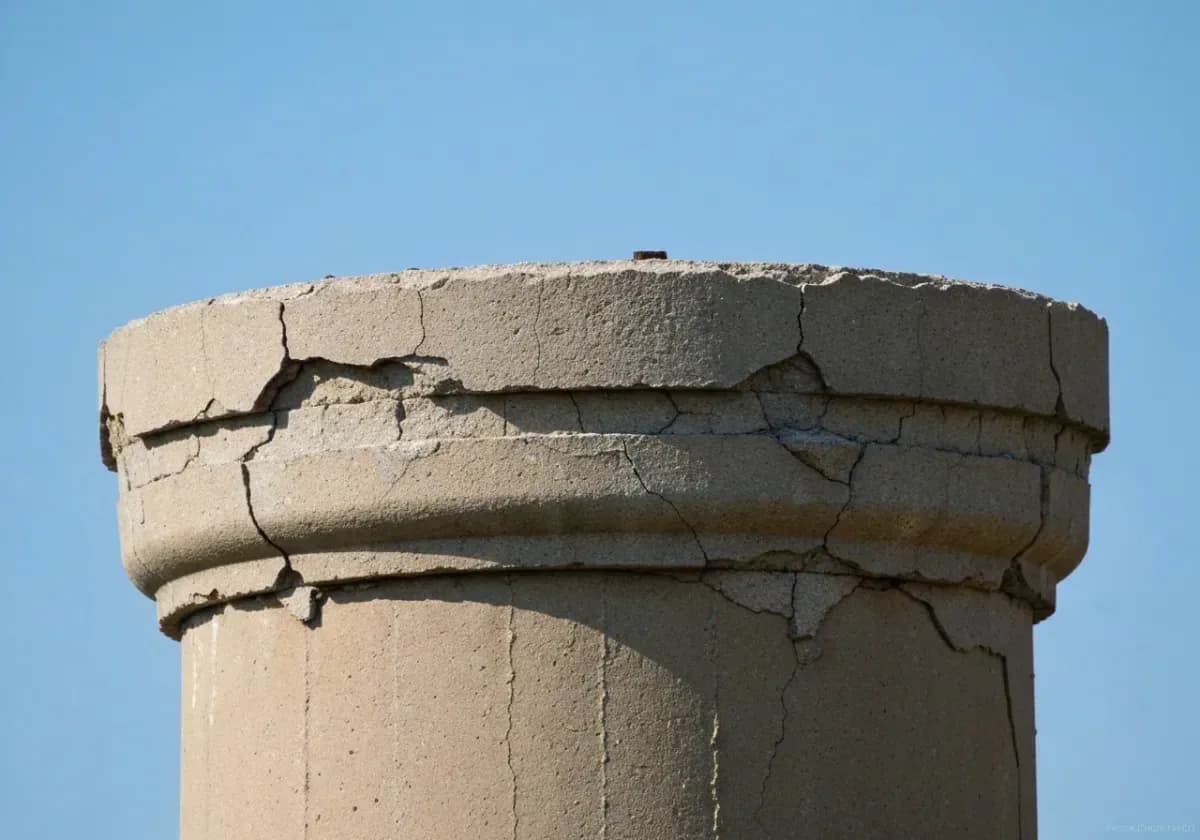 Before
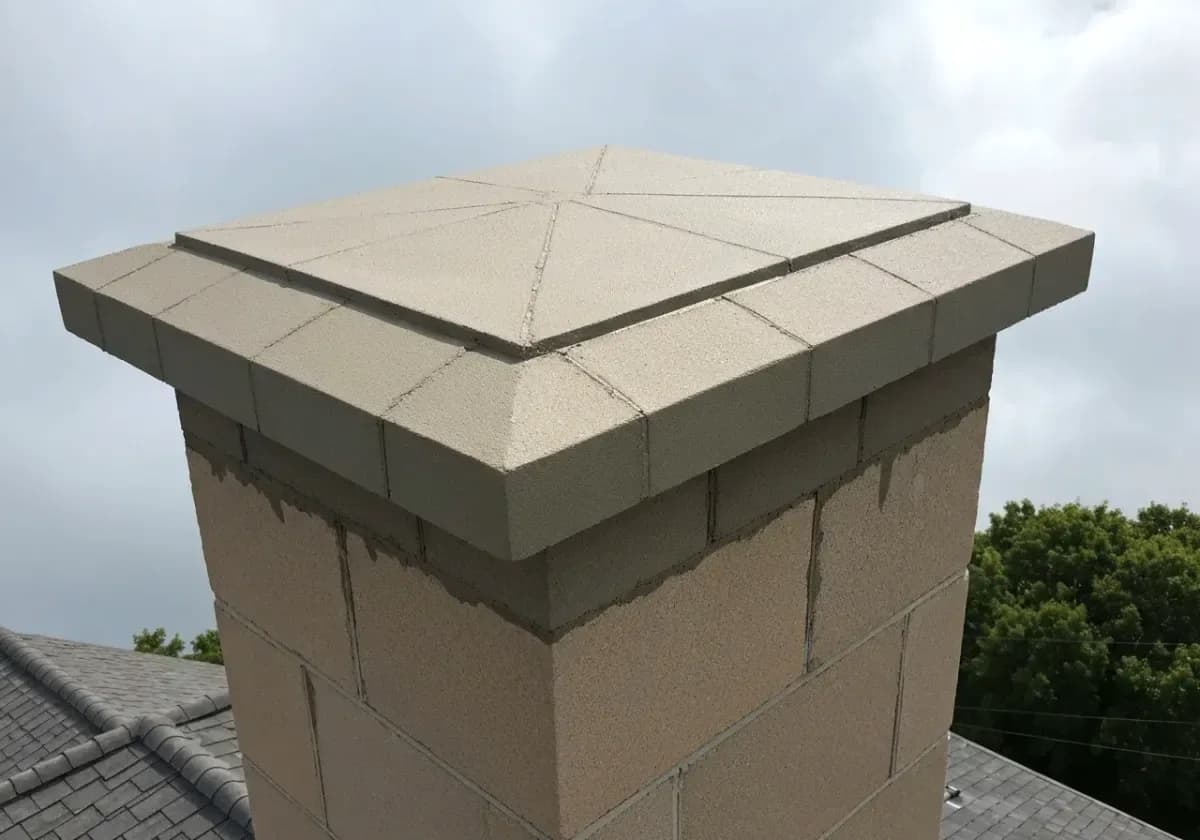 After
After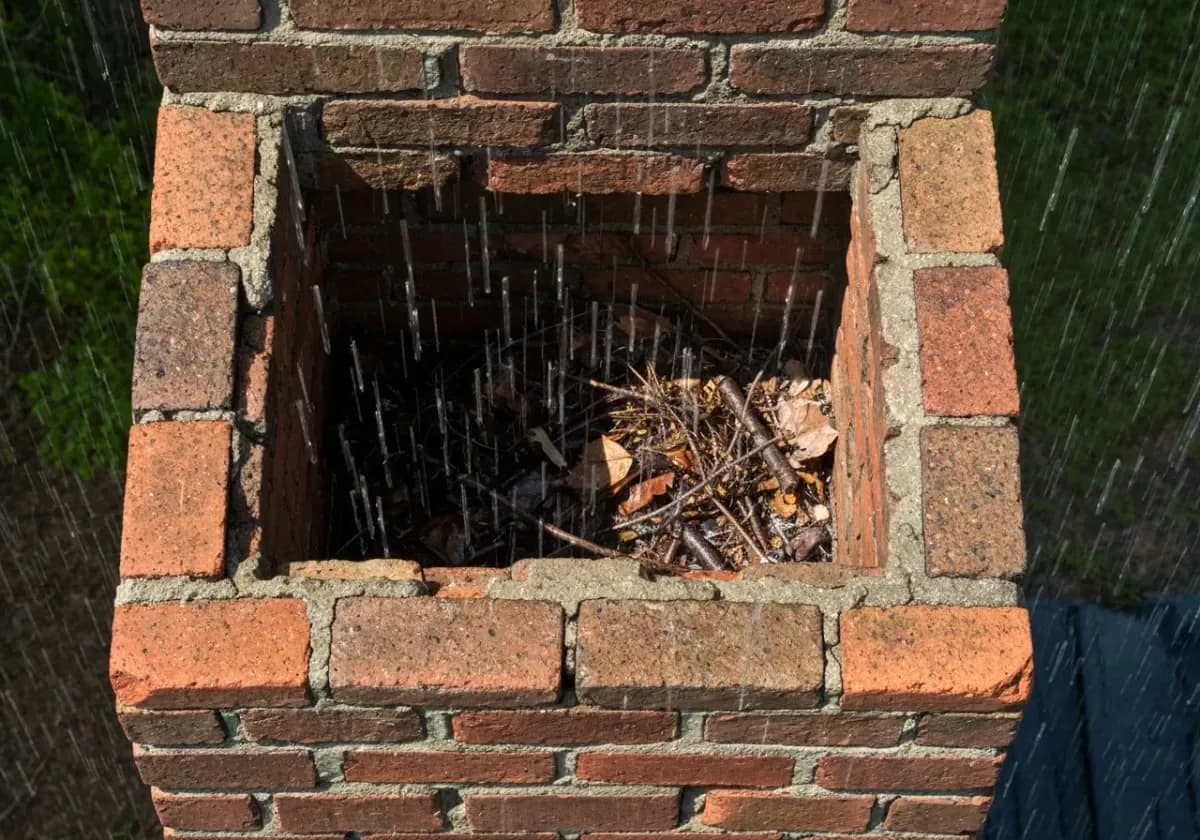 Before
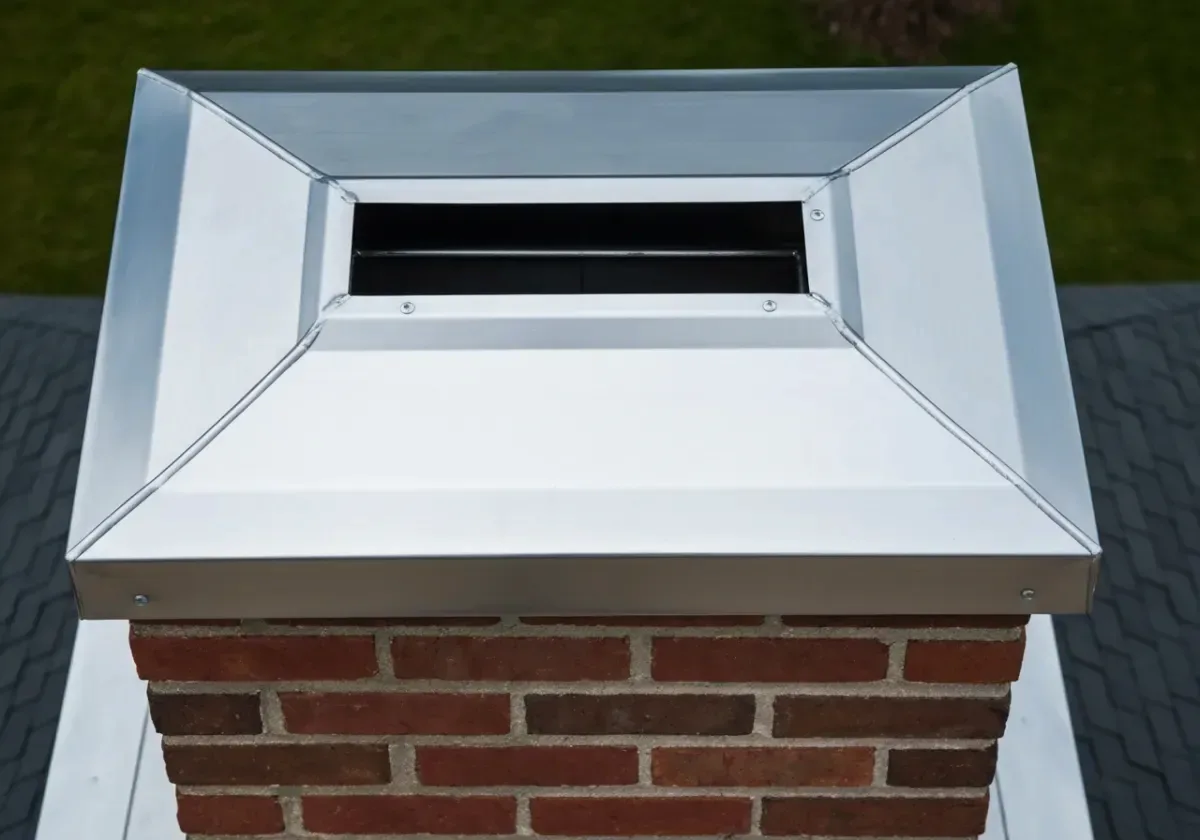 After
After
Four steps, each one on paper — so you always know what happens next.
Choose a genuine opening on the crew's calendar. Confirmation is immediate.
Liner, crown, cap, flashing and masonry examined in order — each finding photographed.
One document, plain numbers, covering only the work your chimney genuinely needs.
The repair is completed, then handed over with before-and-after photos of every item.
From $245. Light to moderate buildup is near that figure; heavy, glazed creosote takes longer and costs more, and the quote reflects the grade we find on camera.
Burn dry, seasoned wood, run the fire hot enough to avoid visible smoke, and have the flue inspected once a year as NFPA 211 recommends. Most heavy buildup comes from damp wood and slow, smoky fires.
Creosote in the flue absorbs moisture from damp air and gives off a stronger smell. It is a common sign that deposits are present and worth checking.
A $99 on-site inspection, a written quote before any work, and photos of every item we touch.