Bellevue chimneys need professional cleaning at least once a year, and twice a year if you burn more than 30 fires per season. The Eastside's persistently wet maritime winters, heavy organic debris from cedar and Douglas fir canopy, and months of idle flue time between April and October create conditions where creosote hardens, moss colonizes mortar joints, and animals nest — all before you light your first fire of the season. Scheduling a cleaning and inspection in the late August–to–mid-October window puts you ahead of the November demand surge and ensures your fireplace is ready the moment the first cold front drops off the Cascades.
The honest answer: once a year is the floor, not the ceiling
NFPA Standard 211 requires that chimneys, fireplaces, and vents be inspected at least once a year and cleaned whenever deposits warrant it. In Bellevue, 'whenever deposits warrant it' arrives faster than most owners expect. Even a modest burn season of 20 to 30 fires can produce glazed, third-degree creosote — the hardened form that resists a standard chimney brush and requires chemical treatment or rotary tools to remove safely.
If you burn more than 30 fires per season, use wood that has been seasoned less than 12 months, or notice an acrid odor drifting into the room when the fireplace is cold, schedule a second cleaning mid-season rather than waiting until fall. Glazed creosote ignites at temperatures a normal fire can produce, which is why it is classified as an active fire hazard rather than a routine maintenance item.
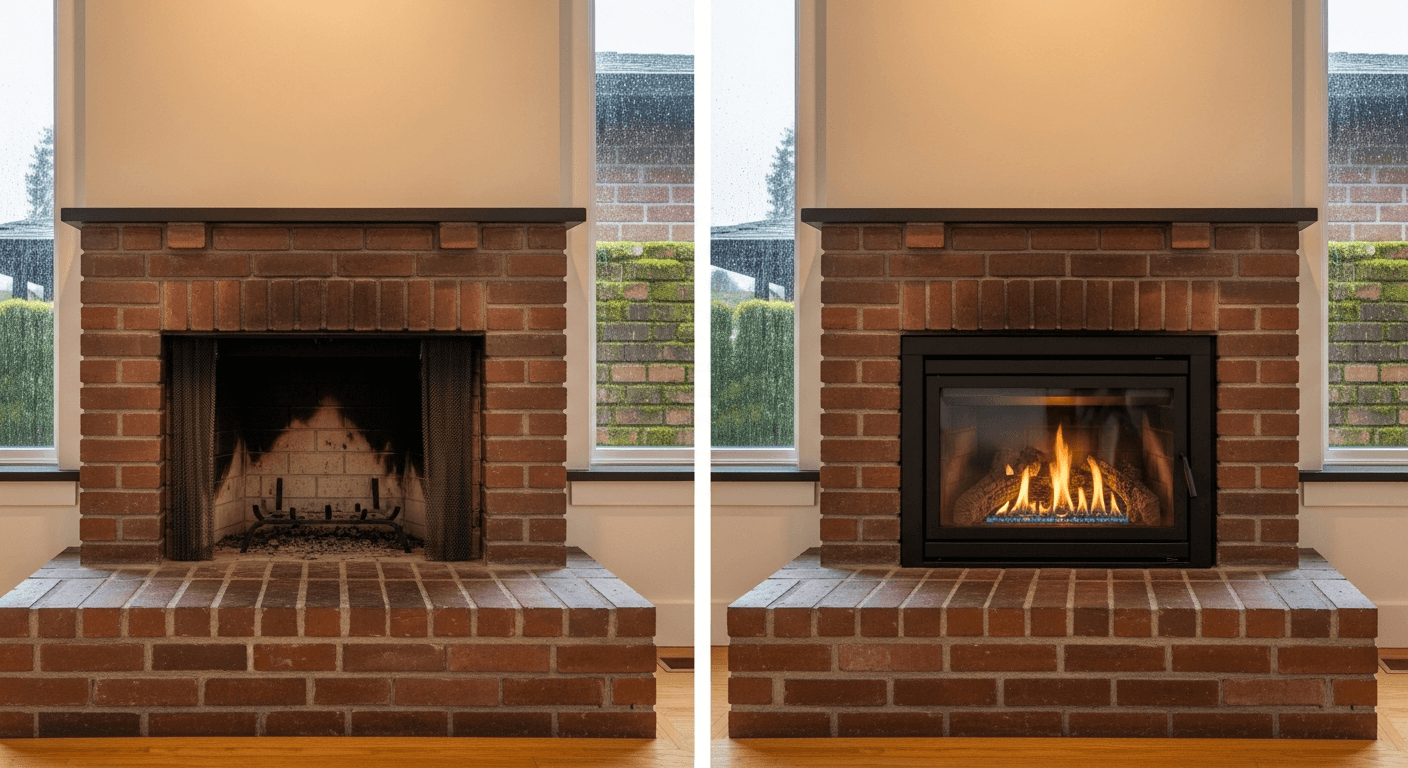
Gas fireplace inserts are not exempt. They produce no creosote, but Bellevue's flue liners serving gas appliances regularly accumulate condensate, deteriorating refractory material, and debris from nesting animals. An annual inspection — even without a full cleaning — is the standard of care for gas insert owners on the Eastside.
What Bellevue's climate does to your chimney between uses
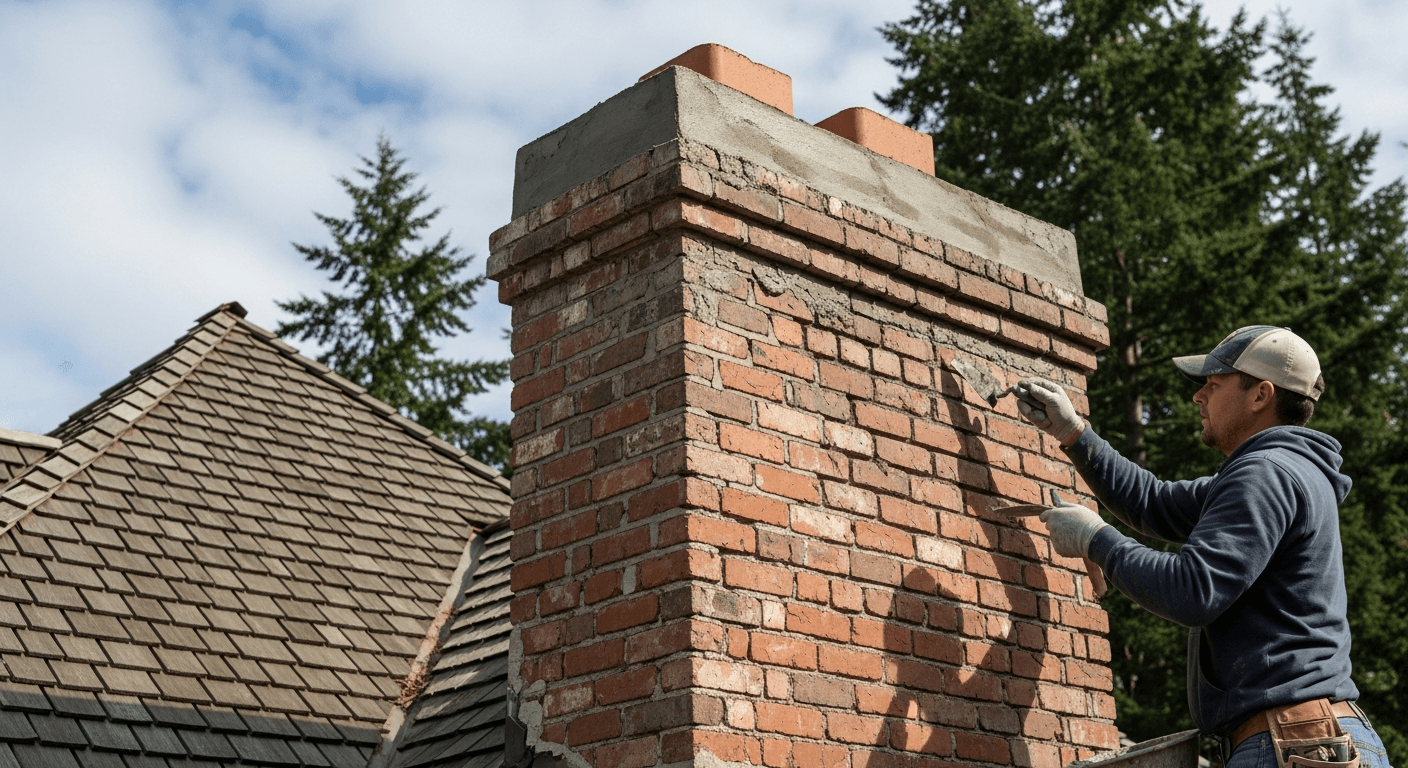
From roughly April through October, most Eastside chimneys sit idle while Bellevue averages nearly 38 inches of annual rainfall. Water penetrating hairline cracks in the crown or mortar joints expands during the occasional subfreezing nights in January and February, widening those cracks before your first fire of the season. By the time you light that fire, the damage is already done — you simply haven't seen it yet.
Moss and algae are an outsized concern on Bellevue chimneys. The same shaded, moisture-rich microclimates that define Eastside landscaping — dense Douglas fir and Western red cedar canopy blocking afternoon sun — create ideal conditions for biological growth on chimney crowns and shoulder courses. Moss holds standing water against masonry surfaces for days after rainfall, accelerating spalling and mortar erosion that is expensive to repair once it reaches the liner.
Raccoons, squirrels, and European starlings are regular chimney tenants in Bellevue's tree-canopied neighborhoods from May through August. A stainless steel chimney cap is the single most effective preventive measure, but even capped chimneys should be inspected annually for debris accumulation at the damper shelf and animal evidence inside the firebox.
Cleaning frequency and cost by fireplace type and usage level
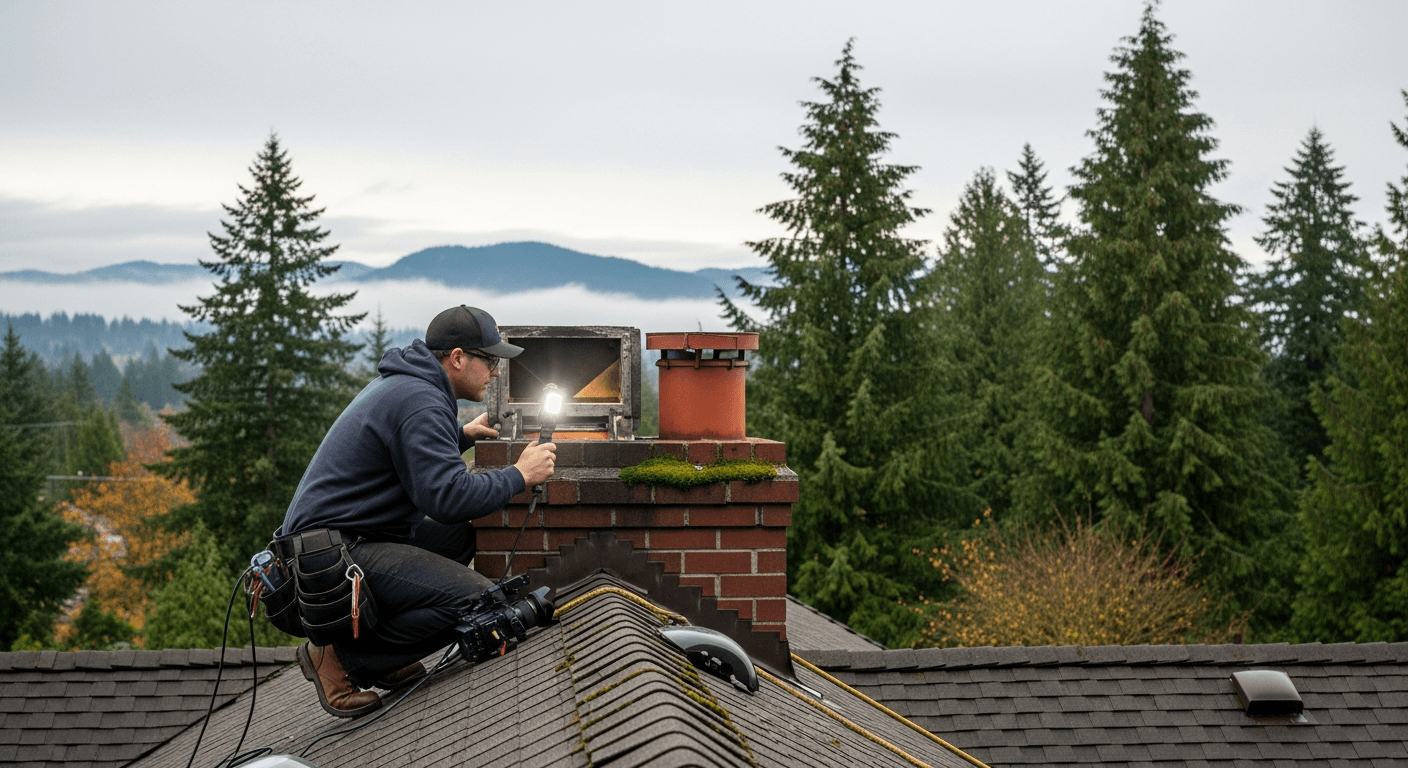
A standard wood-burning chimney sweep in Bellevue includes removing creosote deposits, vacuuming the firebox, and a Level 1 visual inspection of all accessible surfaces. A Level 2 inspection adds a full camera scan of the flue interior and a detailed written report — required any time a home changes ownership, after a chimney fire, or when switching fuel types. The written report is also what most insurance carriers require before processing a structural chimney claim.
The figures below reflect current Bellevue and Eastside market conditions. Prices toward the higher end of each range apply to chimneys two stories or taller, flues with heavy glazed deposits requiring rotary or chemical treatment, and inspections producing written reports for real estate or insurance purposes.
| Service | Typical Bellevue Price Range | Recommended Frequency |
|---|---|---|
| Wood-burning chimney sweep (Level 1 inspection included) | $180 – $280 | Annually; twice if 30+ fires per season |
| Gas fireplace insert inspection and cleaning | $120 – $200 | Annually |
| Level 2 chimney inspection (camera scan + written report) | $300 – $500 | Home sale/purchase, after chimney fire, or every 3 years |
| Creosote treatment (glazed/third-degree deposits) | $250 – $450 (in addition to sweep fee) | As needed when glazing is detected |
| Animal debris removal and sanitization | $150 – $350 | As needed; prevented by stainless steel chimney cap |
A real Bellevue homeowner scenario: the fireplace that smelled fine but wasn't
A homeowner in Bellevue's Somerset neighborhood called us in late September after noticing a faint smoky odor on warm autumn afternoons — even though the fireplace hadn't been used in months. The home, built in the early 1990s, had a double-wythe masonry chimney with a standard throat damper. The owner had it cleaned two years earlier by a handyman who brushed the flue but performed no camera scan.
Our technician's Level 2 camera scan revealed a longitudinal crack running approximately 14 inches along a terracotta flue tile three sections from the top. Warm outdoor air was entering through a gap where the crown had cracked, traveling down the flue, and carrying residual creosote odor past the open damper seal into the living space — a backdraft pattern homeowners frequently dismiss as normal seasonal smell.
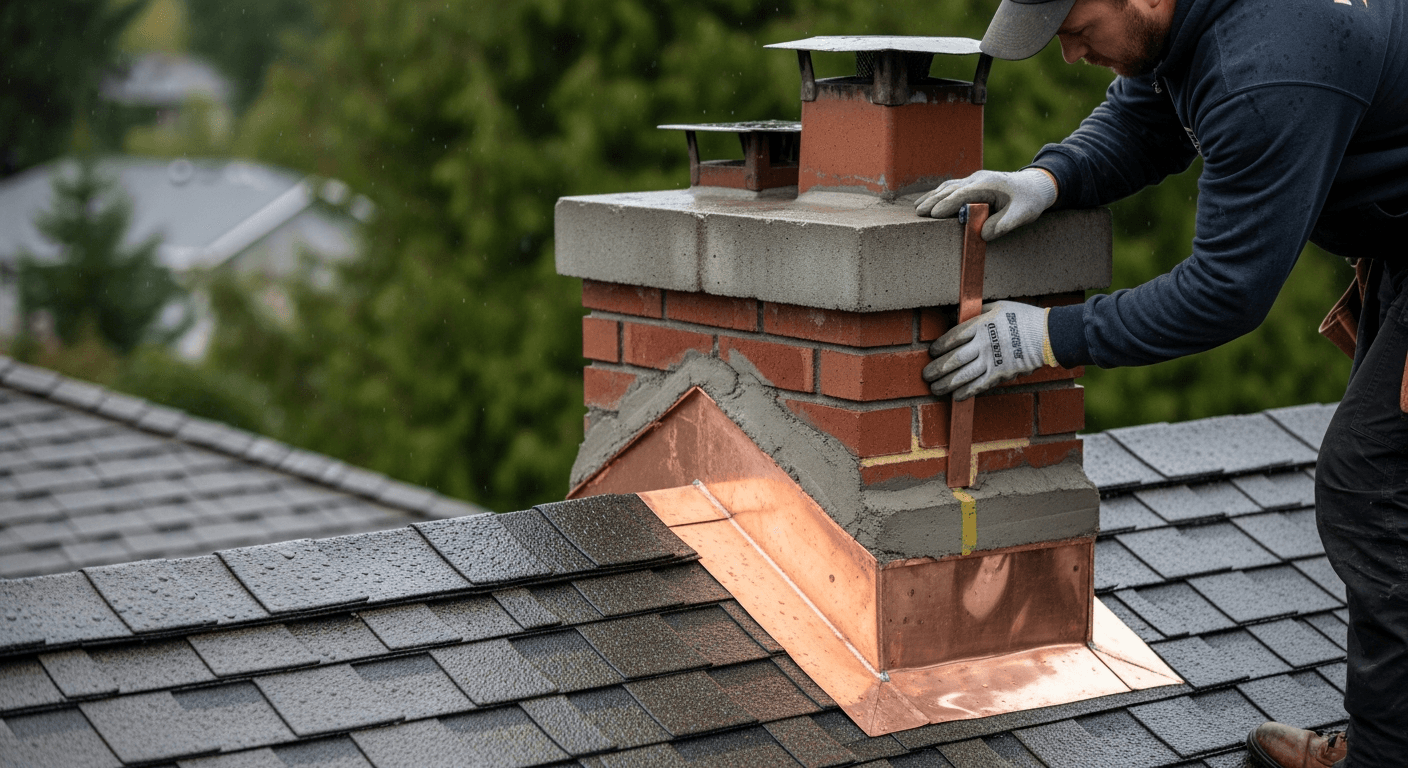
The crack was invisible from the firebox and would not have been caught without the camera. The homeowner authorized a stainless steel liner relining and crown repair, both completed in a single day. Left unaddressed through another burn season, hot combustion gases could have escaped into the chase framing — the precise mechanism behind slow-burning structural fires hidden inside walls. The Level 2 inspection cost $350; the homeowner's insurance carrier partially covered the relining under dwelling protection after we provided the written report.
When to schedule: the Bellevue burn-season calendar
The optimal window for chimney cleaning and inspection in Bellevue is late August through mid-October. Summer's dry stretch gives masonry time to shed winter moisture, nesting birds and squirrels have vacated, and you have a comfortable buffer before the first cold front makes your fireplace feel urgent rather than optional. Booking in this window also means you avoid November and December, when appointment slots fill within days of the first week of sustained rain.
If you missed the fall window, a late-winter sweep in February or March is the next best option — after the heaviest burn months but before spring nesting season begins. This timing lets a technician assess full-season creosote accumulation, address moisture damage before spring rains arrive, and inspect or install a chimney cap before European starlings begin scouting nesting sites in March.
The Puget Sound Clean Air Agency issues Stage 1 and Stage 2 burn bans on stagnant-air days, typically in winter. A clean, well-maintained flue does not exempt you from ban restrictions, but it does mean your fireplace burns at maximum efficiency on permitted days — reducing the incomplete combustion that accelerates creosote formation and makes the next cleaning harder.
Frequently asked questions
How often does a chimney really need to be cleaned in Bellevue, WA?
At minimum, once a year before burn season. If you burn more than 30 fires per season or use wood seasoned less than 12 months, a mid-season cleaning is also warranted. Bellevue's wet climate accelerates creosote hardening and moss growth, making annual service a practical baseline — not an upsell.
Will homeowners insurance cover chimney repair in Bellevue?
Sudden, accidental damage — a chimney fire, lightning strike, or windstorm — is typically covered under a standard HO-3 policy's dwelling protection. Gradual deterioration from deferred maintenance is not. A Level 2 inspection report from a certified chimney professional is usually required before an insurer will process a structural chimney claim.
How much does chimney sweeping cost in Bellevue?
A standard wood-burning chimney sweep with Level 1 inspection runs $180 to $280 in the Bellevue market. Gas insert cleaning typically costs $120 to $200. Prices at the higher end reflect taller chimneys, heavier creosote buildup, or flues requiring chemical treatment for glazed third-degree deposits.
What does a Level 2 chimney inspection cost in Bellevue?
Expect to pay $300 to $500 for a Level 2 inspection, which includes a full camera scan of the flue interior and a written condition report. This level is required when buying or selling a home, after a chimney fire, or when switching fuel types — and it is what most insurers require to process a structural claim.
Can I skip cleaning if I only use my fireplace a few times a year?
You can defer cleaning, but not the inspection. Even light use allows moisture infiltration, animal debris, and minor creosote deposits to accumulate in Bellevue's damp climate. An annual inspection catches crown cracking, flue liner damage, and animal intrusion before they become costly structural repairs — regardless of how rarely you light fires.
Related services